


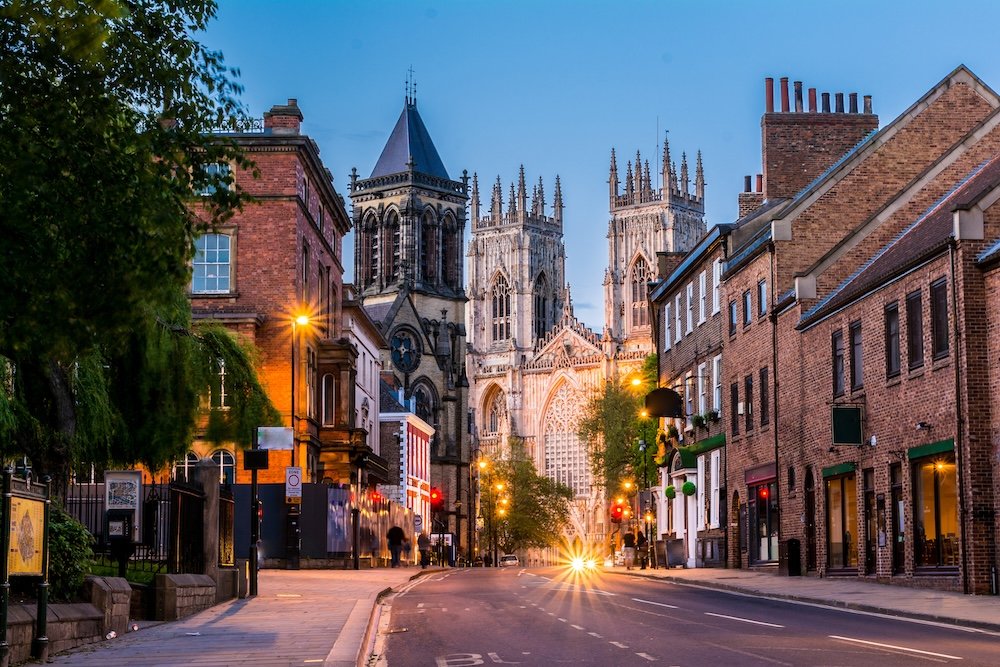
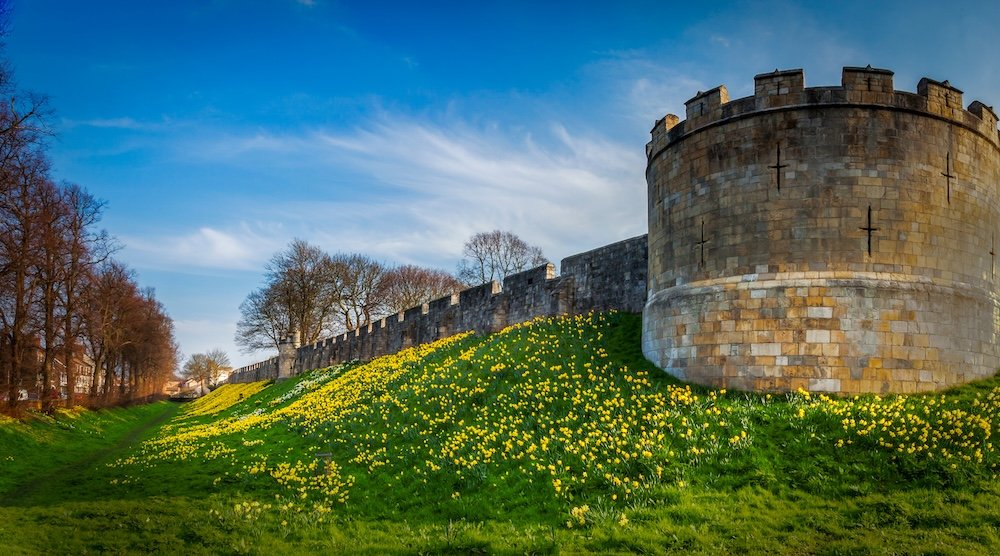
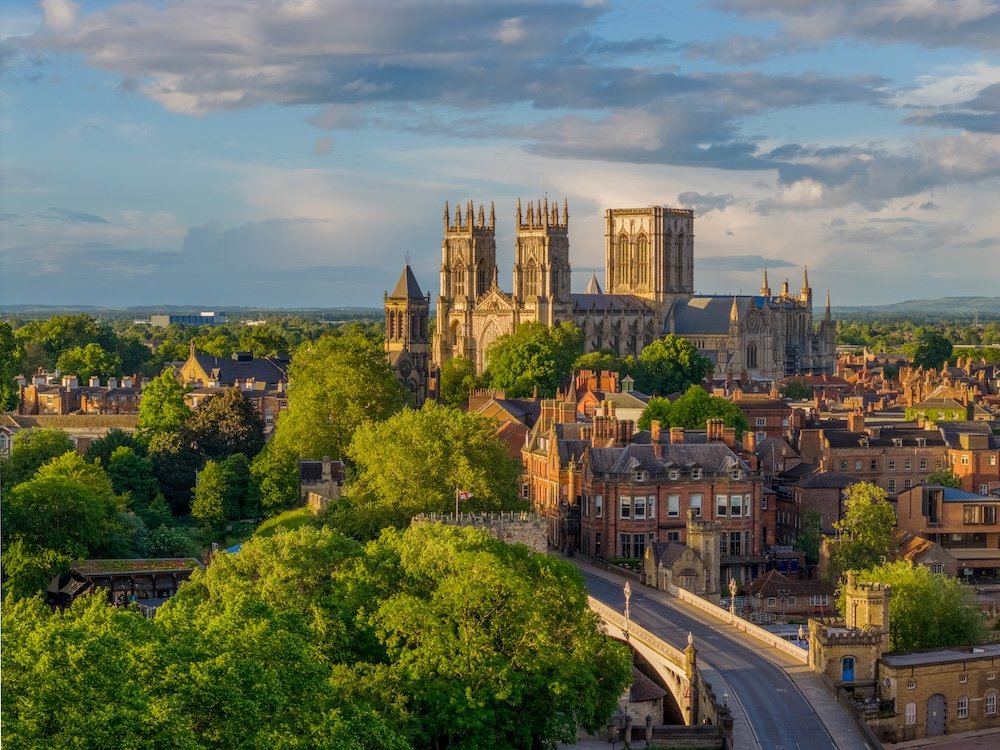
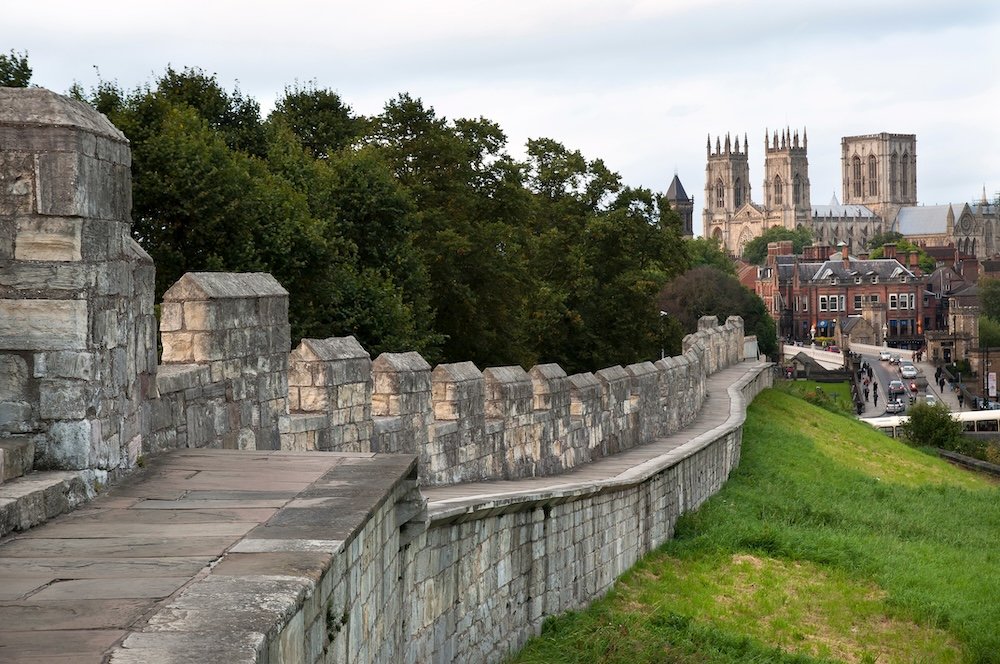
As soon as the gates open each morning, joggers, a few early photographers, and the peregrine falcons that live at the Minster take up the section of York’s city walls between Bootham Bar and Monk Bar. The limestone beneath your feet is damp and cold. Behind one side are back gardens and well-kept allotments; on the other, the cathedral rises above the slate roofs, so close you can see the individual carved faces in the stonework. People have raised, rebuilt, and patched these walls over nearly two thousand years to keep strangers out. Nowadays, the walls accommodate over a million walkers each year, all going single file and stopping at the same gap to take the same photograph.
Why York
The city has a central area wide enough to cover about twenty centuries and is walkable. Roman soldiers founded it as Eboracum in 71 AD; Viking settlers later named it Jorvik; medieval merchants made it one of England’s richest cities; and the Victorians turned it into a railway junction. At each stage, visitors can see something: a Roman column, a Viking street, a Gothic cathedral, and a shed full of locomotives.
It is also pleasantly easy. Trains from London’s King’s Cross station take about two hours to reach York; the quickest journey is just under one hour and fifty minutes, and the station sits just outside the walls.
York is well suited for first-time visitors to England who would like a second city after London, for people interested in history, for couples who enjoy strolling about aimlessly, and for families whose children think museums are boring (a ride involving the Vikings and the fact that the train museum is free usually puts an end to that belief). However, it isn’t ideal for people who avoid crowds on summer Saturdays, since the narrow streets within the city walls become completely crowded.
The Attractions Everyone Comes For
York Minster, originally the Cathedral and Metropolitan Church of St Peter, has served as the center of Christianity in northern England since the 7th century, and a bronze statue of Constantine the Great stands outside the south door. Visitors walk along the large nave, go down into the undercroft, where the remains of the Roman fort lie beneath the floor, and then stand before the Great East Window, painted by the glazier John Thornton of Coventry between 1405 and 1408. The window is about the size of a tennis court and represents the largest area of medieval stained glass in Britain. To get the best view of the city, visitors climb the 275 steps of the central tower (visitors must be at least 8 years old). The entrance fee is £20 (approximately $27) for adults, or £26 (around $35) if the tower is included; children aged 17 and under can enter for free when accompanied by an adult who pays. Buy tickets only from the Minster’s website or desk, as resellers charge extra fees; anyone who attends a service can enter for free.
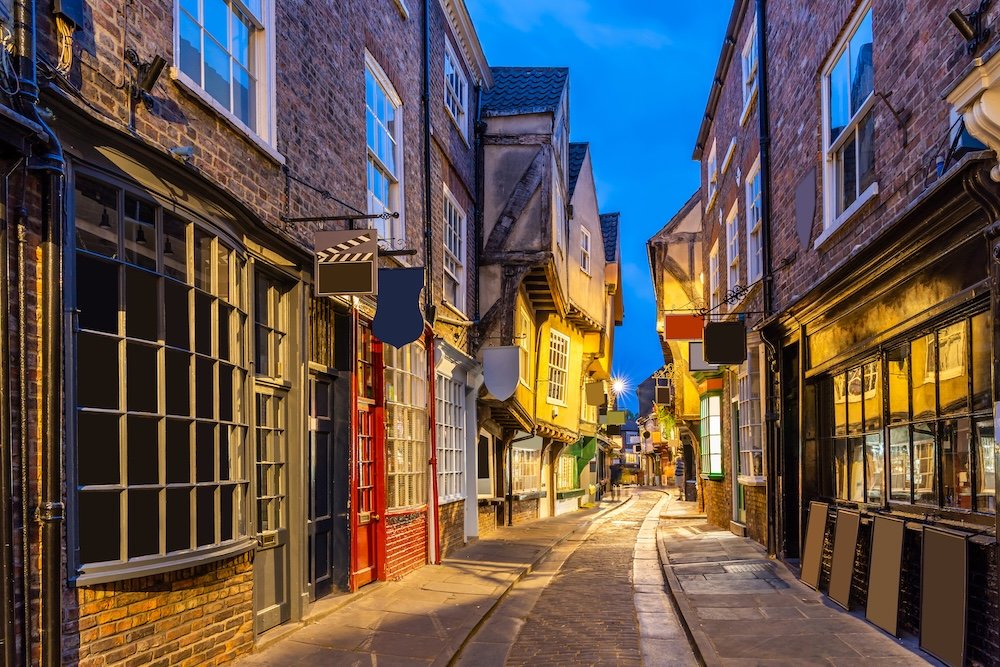
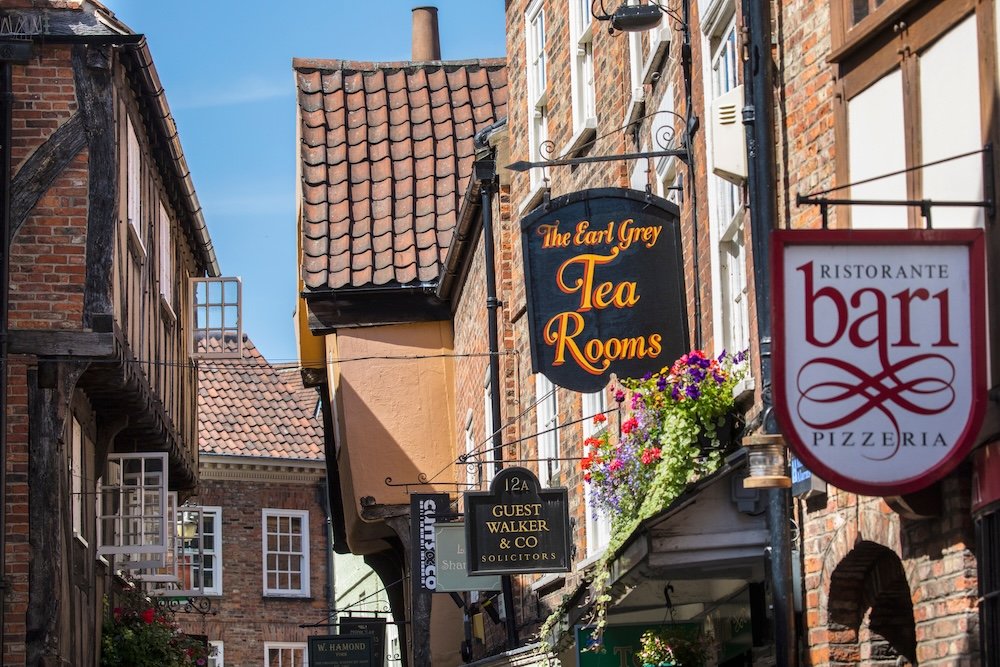
The Shambles. This winding alley, listed in the Domesday Book of 1086, originally housed the city’s butchers; the timber-framed upper stores lean so far over the cobbles that they almost meet above head height. Today, the shop fronts sell fudge, chocolate, and wizard-themed souvenirs, and many believe the street inspired Diagon Alley in the Harry Potter films. Although walking down the street is free, seeing the cobbles, sidewalk stones, and brickwork without crowds means getting up early.
The city walls. York has more medieval walls still standing than any other city in England, and the path around them is just over two miles long and usually takes about two hours. Five main gatehouses, known as bars, and several towers line the route. Micklegate Bar, on the southwest side, was the ceremonial entrance for visiting monarchs and once displayed the heads of traitors on spikes. The walls are free to enter, open from morning until dusk, and close in cold weather. Dogs are not allowed. It’s ideal for walkers, first-time visitors who want a full overview of the city’s layout in one morning.
The JORVIK Viking Center: From 1976 to 1981, archaeologists employed by the York Archaeological Trust excavated under Coppergate and discovered the houses, workshops, and backyards of the 10th-century Viking town, preserved in water-saturated soil. The museum is now located there. Guests travel slowly along a recreated street, featuring animatronic inhabitants and the authentic odors of a Viking market, before viewing real items in various galleries, such as combs, shoes, and bone ice skates. Adult tickets cost £17.50 (about $24), and children’s tickets cost £12 (about $16). You must book timed entry in advance; tickets let you make unlimited return visits for a whole year. The following people will enjoy it: families with school-age children, saga readers, and anyone who wants to know what a thousand-year-old breakfast smelled like.
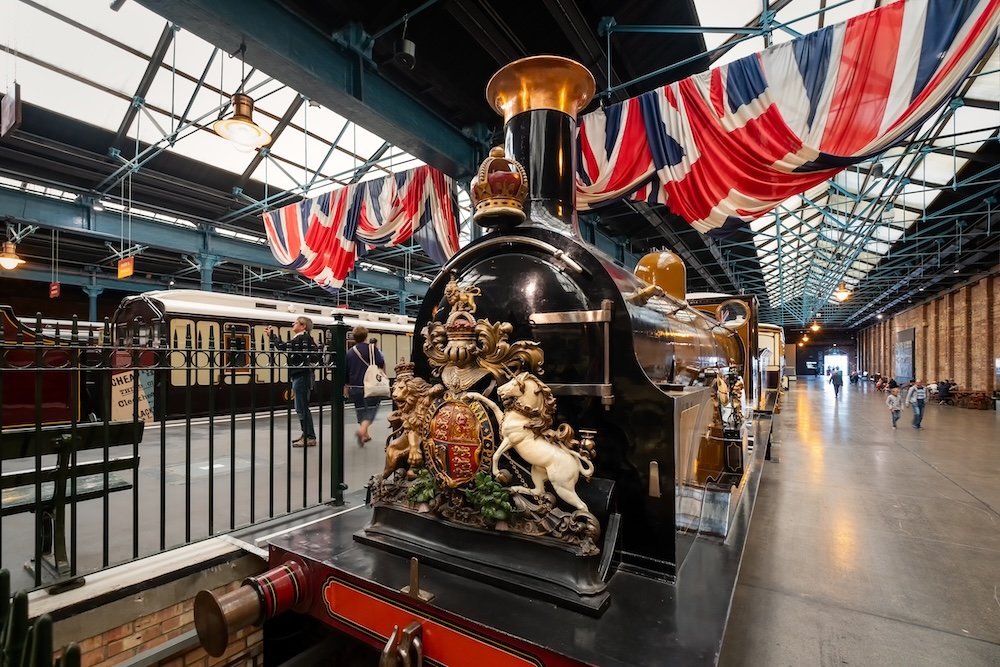
The National Railway Museum is free to enter and is the world’s largest railway museum, with more than 100 locomotives on display in large former railway sheds a short distance behind the station. Its highlight is Mallard, a blue streamlined steam engine that reached 126 mph on July 3, 1938, a steam-locomotive record that remains unbroken. Nearby are located a Japanese Shinkansen bullet train and the royal carriages lined with silk that Queen Victoria used. It will appeal to families, people planning rainy-day activities, and adults who secretly still want a train set.
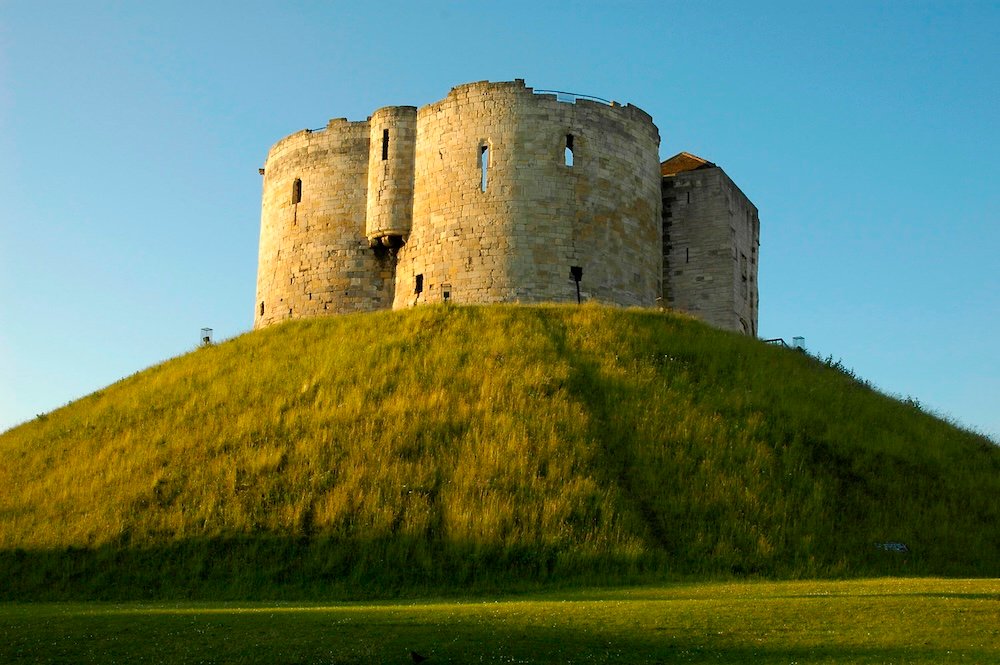
Clifford’s Tower—this four-lobed stone keep on a steep grassy hill, requiring 55 steps to reach—is almost all that remains of York Castle. The tower has a history which involves the city’s blackest night: in March 1190, about 150 members of York’s Jewish community took shelter from a crowd in the older wooden tower, and the majority of them died there, many by their own hands rather than by surrendering. A plaque at the base of the mound states this. As part of a 2022 restoration carried out by English Heritage, they added interior walkways and a rooftop deck offering panoramic views. Entrance tickets cost about £10 (approximately $13.50), and you can get a discount if you book the night before.
Snickelways, Market Stalls and a Tearoom Built Like a Liner
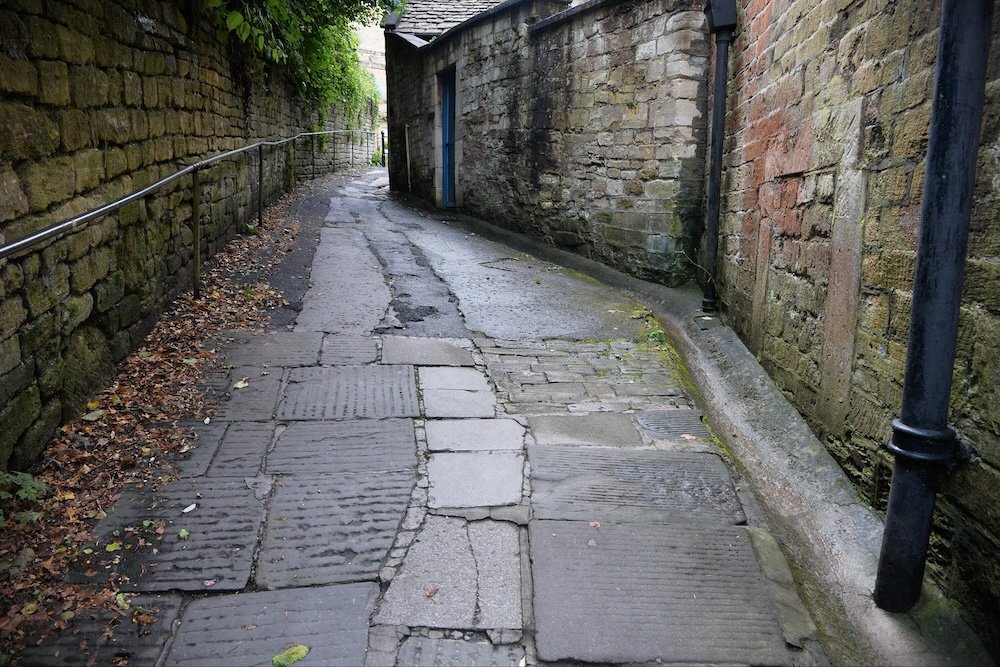
The most convenient way to get from one of these places to another is by using snickelways. Local author Mark W. Jones coined the term in 1983, combining ‘snicket’, ‘ginnel’, and ‘alleyway’ in his handwritten walking guide to describe York’s many narrow footpaths. Some have beautiful names, for example, Mad Alice Lane. Walking through them, you can go from the crowded Streetgate, which lies along a Roman road, to peaceful courtyards in seconds.
For food, three places cater to most tastes. The Shambles Market Food Court, behind the Shambles, offers street food daily from small kiosks; Los Moros specializes in North African and Middle Eastern dishes, while Shambles Kitchen is famous for its smoked pulled pork. Bettys Café Tea Rooms on St Helen’s Square opened in the 1930s after its founder, Frederick Belmont, born in Switzerland, traveled on the Queen Mary’s first voyage and then hired the ship’s designers to build him a café in the same style. The Mirror Bar still has a mirror with names engraved by airmen from World War II who were based around York. If you order a Fat Rascal, a scone filled with fruit and about the size of a fist, expect to wait in line. For a substantial breakfast, Mannion & Co on Blake Street, a café-deli operated by a family that originally worked as greengrocers, is known for its Full English and pork belly sandwiches.
The Draper Who Bent the Railway Map
York’s origins are military: in 71 AD, the Ninth Legion built a wooden fort where the Rivers Ouse and Foss converge, and the Minster now stands on the site of the fortress’s headquarters. The most important event in the city’s history occurred in 306, when the emperor Constantius died while staying there, and his soldiers declared his son Constantine emperor on the spot, beginning the rule of the first Roman emperor to adopt Christianity. About five and a half centuries later, the Danish Vikings captured the town and made it the capital of a Norse kingdom; the Normans then built a royal castle, and the wool trade brought wealth.
The Cellar Where the Romans Never Left
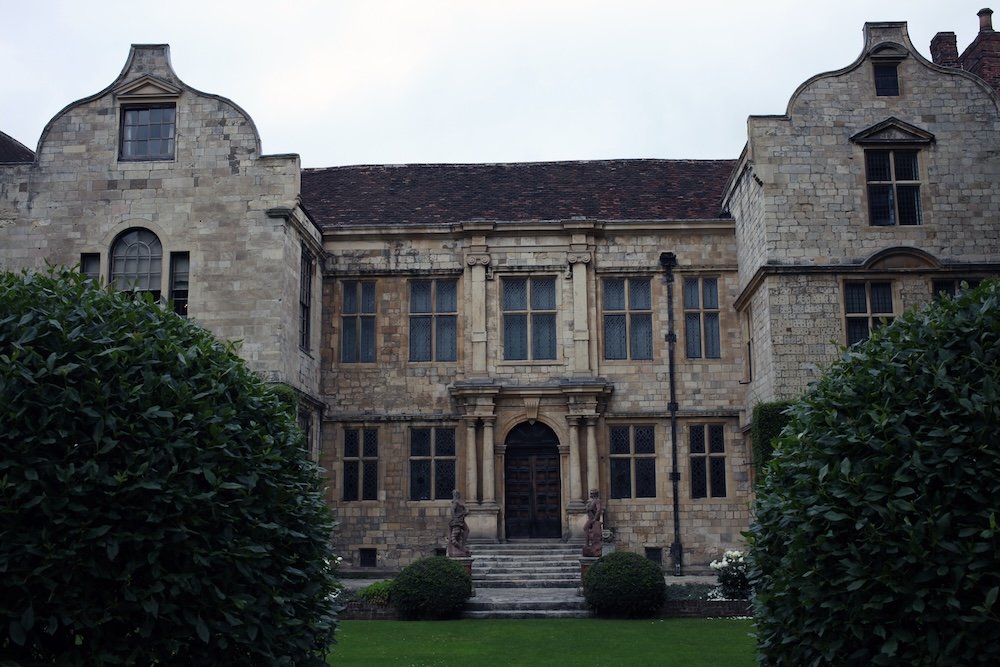
In 1953, Harry Martindale, then 18 and an apprentice plumber, was fitting heating equipment in the cellar of the Treasurer’s House, a large house next to the Minster now looked after by the National Trust. He heard a horn; then, he stated, a Roman soldier came out of the wall followed by a horse and a group of weary men. They could be seen only from the knees down. Martindale dropped off the ladder and ran away.
The particular details keep the story going. Later excavations revealed a Roman road beneath the cellar floor, at a depth corresponding to where the soldiers’ feet would have been. In 1957, a housekeeper mentioned having similar visitors. The public can now visit the house; however, the National Trust’s current program determines whether the cellar is open, so you need to ask before visiting.
Precautions Worth Taking
American and Canadian tourists must now obtain a UK Electronic Travel Authorization, or ETA, before boarding a plane; airlines have been obliged to turn away passengers without one since 25th February 2026. The fee is £20 (approximately $27) per person, including babies. The application should only be made via the official UK ETA app or the GOV. UK website, since fake-looking sites will charge higher fees. Decisions are typically made within one day, but allow up to three working days.
York is safe in most respects; the main issues are minor. Third-party “skip-the-line” tickets for the Minster cost more than buying on the spot. JORVIK checks visitors’ bags, limits them to about 15 by 12 inches, and bans aerosols. The steps along the wall are steep and worn, and the walls become quite cramped in cold weather. On weekend evenings, the area can get noisy with groups celebrating, and the River Ouse may rise rapidly after heavy rain, sometimes closing the river paths. Bring a waterproof layer year-round.
When to Go
York’s climate is mild but variable, with summer highs averaging about 70°F, winter highs in the mid-40s°F, and near-freezing nights typical from December to February. Rain totals about 24 inches per year, distributed fairly evenly throughout the year, and daylight varies from about seven hours in midwinter to nearly 17 hours in midsummer.
In summer, evenings are long, and crowds are at their highest; in spring and early autumn, things are at their best because the lanes are easy to manage, Castle Howard’s house is open, and the trees along the walls turn gold. JORVIK reduces its operating hours from late October. Although winter is cold and dark, it is also festive; the St Nicholas Fayre Christmas market normally occupies Parliament Street, and in February the JORVIK Viking Festival takes place, at which chainmail briefly becomes acceptable as streetwear.