


The September Alaskan air was cool but not cold. Nevertheless, I didn’t begrudge the coat I brought with me. I was too excited by what lay ahead to feel anything but anticipation in any event.. The guide’s name was Deacon, and he checked the crampons on my boots twice before we stepped onto the Matanuska Glacier, which struck me as either excessive caution or an honest assessment of how I’d tied my own laces. The ice under my feet was not white. It was a blue so deep it looked lit from within, the color of glacial ice that has been compressed for centuries until it stopped reflecting light and started absorbing it instead. Somewhere below us, water was moving through the glacier’s interior, audible as a low percussive knock, like someone tapping on a very large door. Deacon stopped at the lip of a crevasse and told me not to worry, that this one was only forty feet deep. Up to that point, I hadn’t been worried.

Alaska does this to people. It resets what counts as remarkable. The Matanuska, about a two-hour drive northeast of Anchorage, is one of the few glaciers in the state you can reach by road and walk on with a guide and a set of spikes, no technical climbing required, and it is worth doing early in a trip if only to recalibrate your sense of scale before the rest of the state gets to work on you. The glaciers of the Knik River Valley, a mere 45-minute drive north of Anchorage are available via helicopter as well.
Denali National Park is where that recalibration continues in earnest. The mountain itself, at 20,310 feet the tallest peak in North America, is famous among park rangers for a habit of hiding. It makes its own weather, wrapping itself in cloud for days at a stretch, and visitors who see it clearly on a first attempt are told how lucky they are.

The park manages its single 92-mile road with a discipline that borders on the monastic: private vehicles can drive the first fifteen miles to Savage River, and no farther. Past that point, the only way in is aboard a park shuttle or a narrated tour bus, a system built to keep six million acres of wilderness from being paved over by its own popularity. It works. Grizzly bears turn over rocks along the roadside, Dall sheep pick their way along ridgelines that look unclimbable, and caribou cross the gravel road with the unbothered gait of animals who were here first.
South of Anchorage, in Seward, boats leave daily for Kenai Fjords National Park, where the mountains simply stop and become ocean. Tidewater glaciers here calve directly into the sea, and a good captain will cut the engine and wait, because the sound comes a beat after the sight, a crack and roar that rolls across the water once several thousand tons of ice have already hit it.

The waters around the fjords hold humpback whales, orcas working in coordinated pods, sea otters floating on their backs like they’ve never had a single worry, and enough puffins to make you wonder if anyone told them what they look like. Whale watching extends well beyond Kenai Fjords. Humpbacks feed in Southeast Alaska’s waters from roughly May through September, orca pods move through Alaskan waters much of the year, and gray whales pass through on their spring migration, most reliably spotted near Sitka.
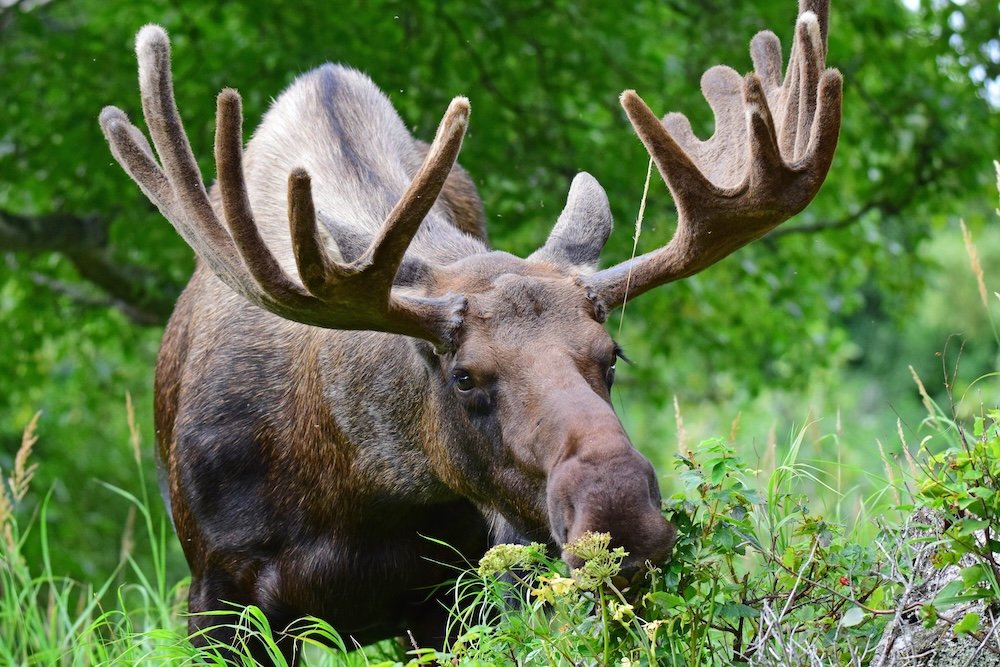
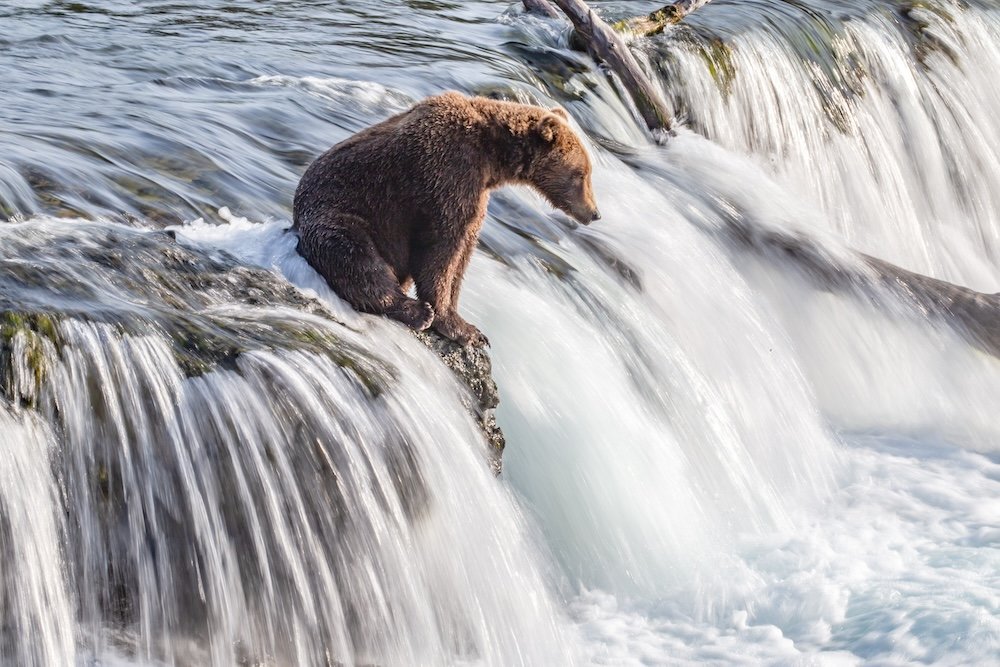
If you are very lucky, you may see a moose on your excursions, and they often wander into heavily populated areas. Bears, however, deserve their own separate reckoning, because Alaska has two species worth traveling for and they could not have less in common. Brown bears gather at Brooks Falls in Katmai National Park each July, when sockeye salmon leap upstream directly into the mouths of bears who have positioned themselves with uncanny precision at the falls. Access is by floatplane, typically a short hop from King Salmon, and the viewing platforms put you close enough to hear the bears exhale.
Polar bears are a different proposition entirely, found not in a national park but along the North Slope near Utqiagvik and the village of Kaktovik, where they gather each fall waiting for sea ice to form. Seeing them requires a licensed guide, a vehicle, and a healthy respect for the fact that you are a guest in the territory of the largest land carnivore on earth. Both experiences are safe when done through an experienced operator and reckless when attempted any other way.

Understanding Alaska also means understanding who was here before the gold rush, before the pipeline, before any of the industries that built the state’s modern reputation. The Alaska Native Heritage Center in Anchorage devotes six village sites to the state’s distinct indigenous groups, among them Iñupiat, Yupik, Unangax, Sugpiaq, Tlingit, Haida, Tsimshian, and Athabascan peoples, and staffs them with cultural demonstrators rather than actors reading from a script. A woman teaching traditional skin sewing the day I visited answered questions about subsistence hunting with the patience of someone who had fielded the same ones a thousand times and still meant every answer. The center is open daily in summer, and the admission price buys something museums rarely manage: conversation with people actively practicing the culture on display, not preserving it behind glass.
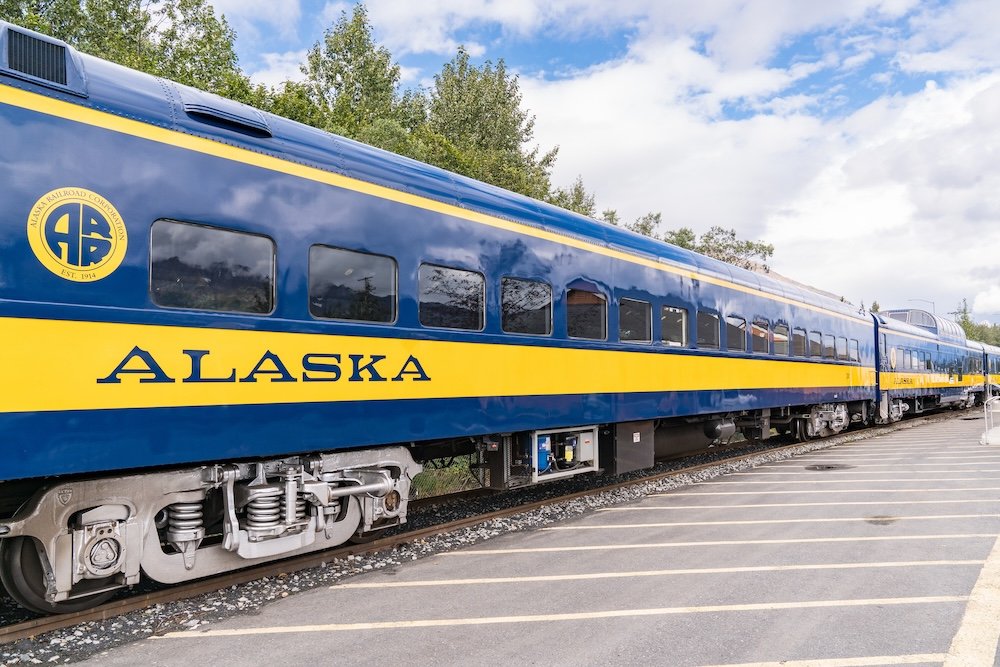
The Alaska Railroad offers a slower way to absorb all of this. The Denali Star runs the twelve-hour route between Anchorage and Fairbanks, stopping at Wasilla, Talkeetna, and the entrance to Denali National Park, with windows large enough that you stop reaching for your phone camera somewhere around hour three because the landscape simply will not stop being worth looking at. The Coastal Classic runs the other direction, down to Seward, past glaciers that come close enough to the tracks that conductors will point them out by name. Between the two you get a decent cross-section of the state without renting a car or fighting for a window seat on a bus.
For travelers who want the coast without the train, the Alaska Marine Highway System, universally known as the state ferry, covers 3,500 miles of coastline and connects more than thirty communities from Bellingham, Washington, up through the Inside Passage to Ketchikan, Wrangell, Petersburg, Sitka, Juneau, Haines, and Skagway. It is slower than flying and considerably cheaper, and it carries locals doing their weekly shopping alongside tourists with cameras, which tells you something honest about the towns you’re passing through. Watch the wake at dusk. Something usually surfaces in it.
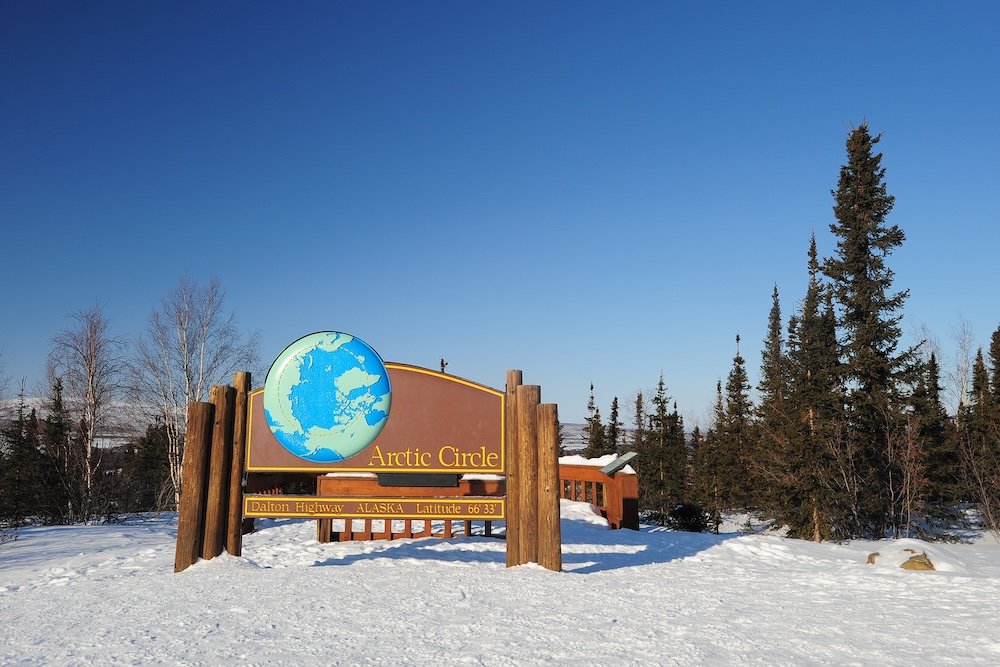
If the goal is genuinely remote, the Arctic Circle sits 196 driving miles north of Fairbanks along the Dalton Highway, a road that is roughly three-quarters gravel and was built to service the Trans-Alaska Pipeline, not tourists, which is exactly why it still feels like it belongs to the trucks. Most visitors go by guided van or small plane rather than rental car, since most rental agreements prohibit the Dalton entirely. At 66 degrees, 33 minutes north, a sign marks the line where, on the summer solstice, the sun does not set, and on the winter solstice, it does not rise. Cross it and you can pick up a certificate back in Fairbanks at the Morris Thompson Cultural and Visitors Center, which is a small, slightly bureaucratic reward for a genuinely large accomplishment.
That solstice math is the whole point of a summer visit to the state’s interior. Fairbanks holds close to round-the-clock daylight for about ten weeks each summer, and Utqiagvik, the northernmost city in the United States, doesn’t see a sunset at all between mid-May and early August, eighty-five straight days of sun that never fully leaves the sky. It disorients people. Hotels provide blackout curtains as a matter of course. From late August through April, with clear skies and enough distance from city light, the aurora borealis moves across the northern sky over Fairbanks and the interior with a regularity that surprises visitors who assumed it was rarer than it is. There are no guarantees on any given night, but there are a lot of nights.
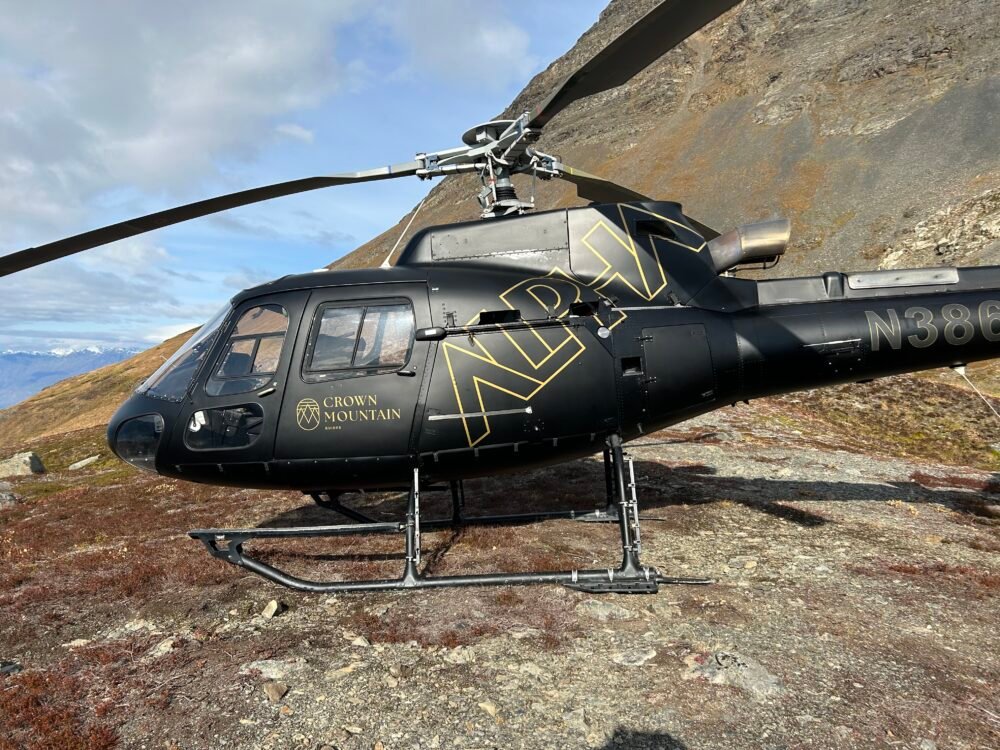
And then there’s the view from above, which changes the whole equation. A helicopter or seaplane tour turns individual landmarks into a single, continuous fact: glacier feeding into fjord, fjord opening onto ocean, mountains simply not ending. Seaplanes out of towns like Talkeetna will bank close enough to Denali’s flanks that conversation in the cabin tends to stop on its own. It is the one perspective on this state that requires no walking, no waiting for a bear or a whale to appear, no fitting of crampons. You just have to be willing to leave the ground.
Alaska is absolutely like nowhere else, but some places don’t need comparison. They just need you to look.