


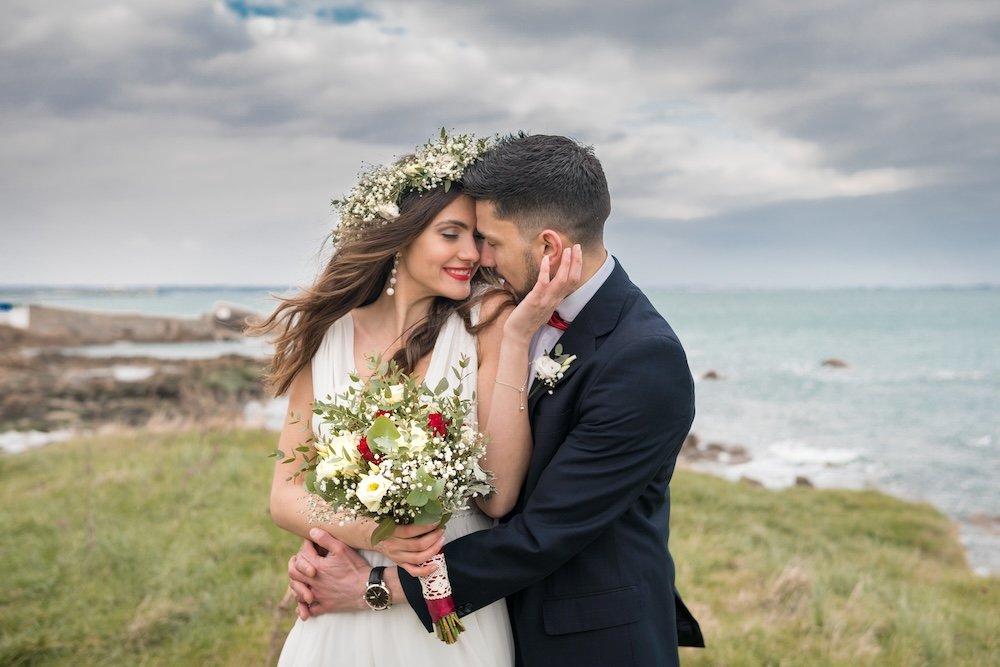
The line outside the Clark County Marriage License Bureau on a Tuesday morning included a bride in flip-flops, a groom still holding a Big Gulp, and a photographer double-checking a permit for a rooftop shoot three blocks away. Inside, the whole transaction took maybe fifteen minutes: government ID, $102, no waiting period, no blood test, and a license valid anywhere in Nevada. Nobody in that line looked stressed. That is, more or less, the entire pitch of Las Vegas as a wedding destination, and it is worth holding up against everything else on this list, because most of the other places require the opposite of ease. They require planning, deposits, permits filed months in advance, and usually a specialist who has helped to plan many destination weddings before.
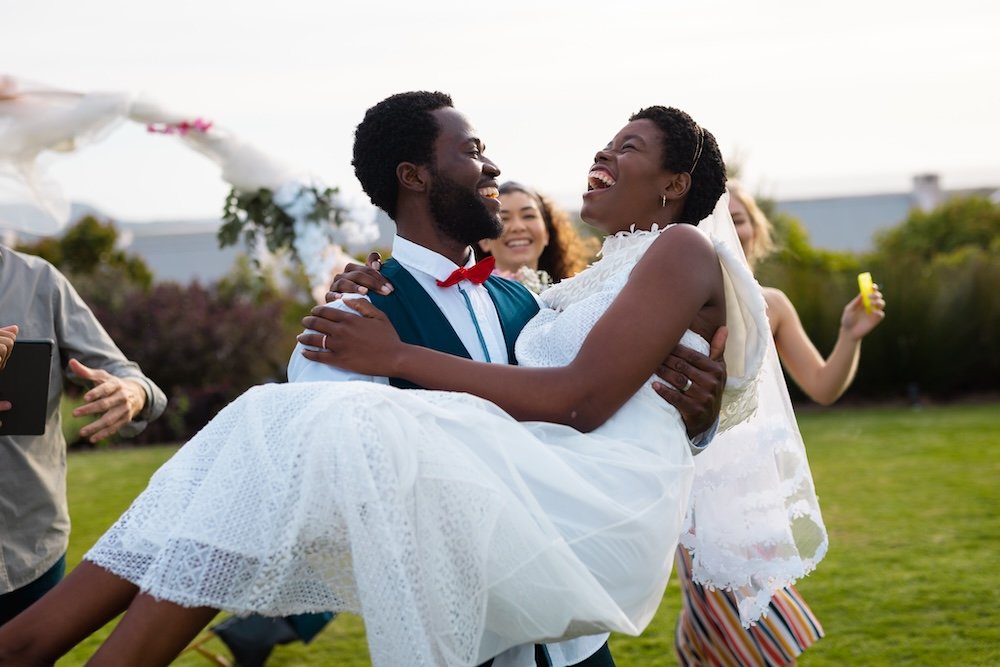
Couples choose a destination wedding for reasons that have very little to do with logistics and everything to do with what a hometown ballroom doesn’t typically offer: a setting that does some of the emotional work on its own, a guest list naturally trimmed to the people willing to get on a plane, and a trip built into the celebration rather than tacked on after it. The tradeoff is real. Weather doesn’t check the invitation list. Vendors in an unfamiliar market can be harder to vet from a distance. Guests face travel costs on top of gift expectations, and a certain percentage of the invited will, gently or not, decline. National park ceremonies come with their own bureaucracy: Yosemite requires a special use permit, a $150 non-refundable application fee, no amplified sound, no chairs or arches, and a hard two-hour window once the paperwork clears, which is either a romantic constraint or an insult to anyone who has ever tried to hurry their own mother out of a photo.
This is where the relationship with a destination wedding specialist stops being optional. A planner who works a specific market regularly knows which Charleston plantation actually allows amplified music after 10 p.m. and which one will cut the power on schedule regardless of what’s happening on the dance floor. They know the Sedona photographer who understands why the light goes flat by 11 a.m., and the difference between a Nantucket venue’s brochure pricing and what a July wedding there actually costs once the seasonal surcharges land. A good specialist has also usually seen a hurricane, a canceled flight, or a permit denial happen to someone else’s wedding first, which is a much better way to learn that lesson than living it yourself.
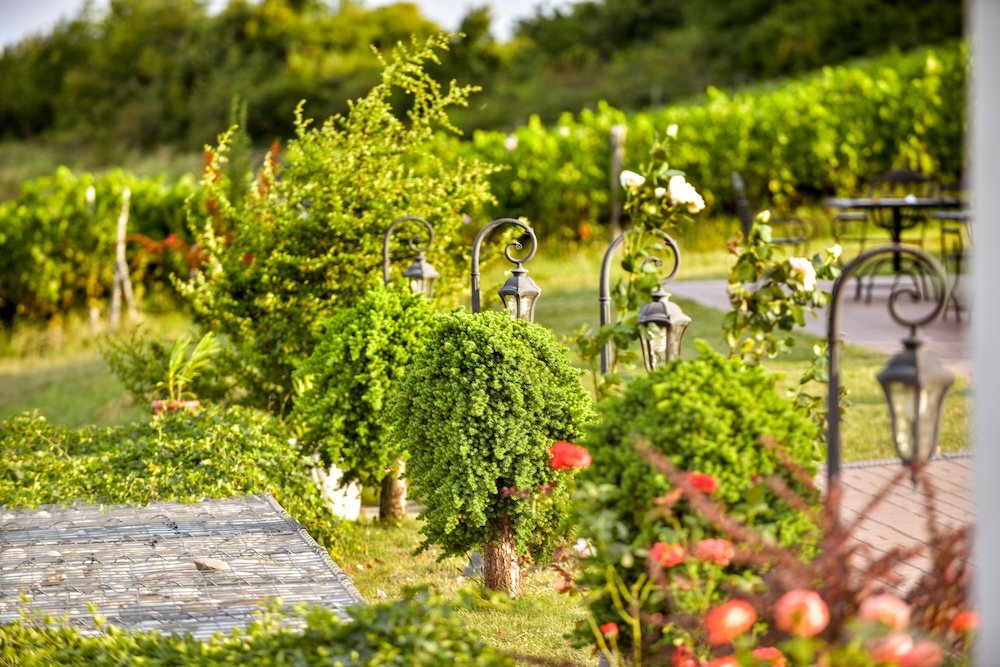
Napa Valley earns its reputation honestly. The vineyards do the decorating before a florist ever shows up, and the wineries built as event spaces, not converted into them, tend to have kitchens capable of a genuinely good dinner rather than a banquet-hall approximation of one. It’s an expensive corner of California, and every vendor there knows it, so budget accordingly.
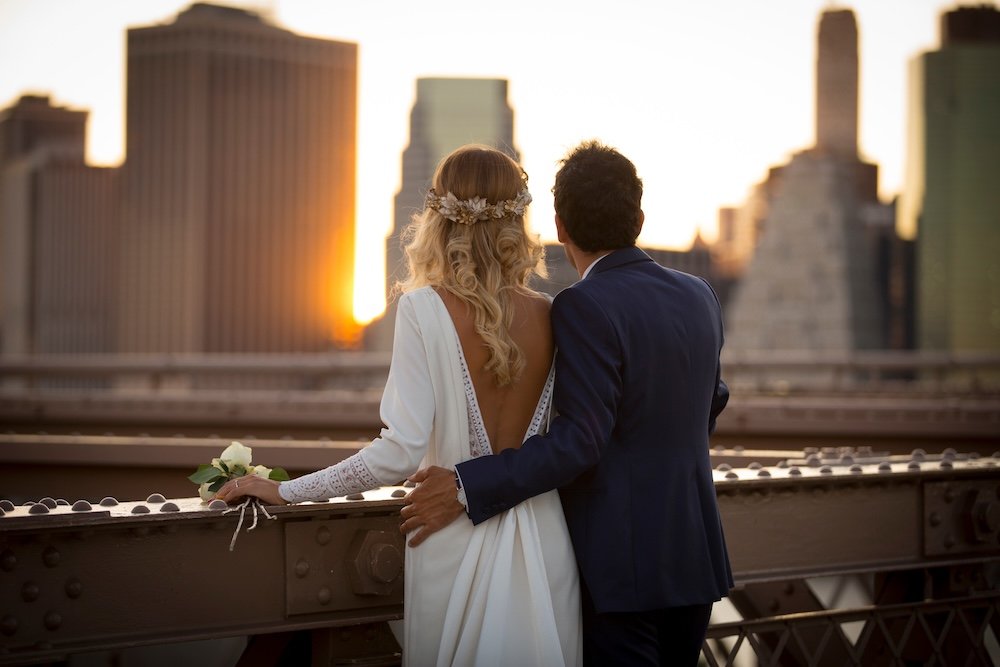
New York City sells scale and specificity at once: a rooftop in Brooklyn with the skyline behind the vows, a landmarked ballroom on Fifth Avenue, a courthouse ceremony followed by dinner at a restaurant the couple has loved for a decade. No other city on this list offers that range of venue, at that level of polish, inside a five-borough radius.
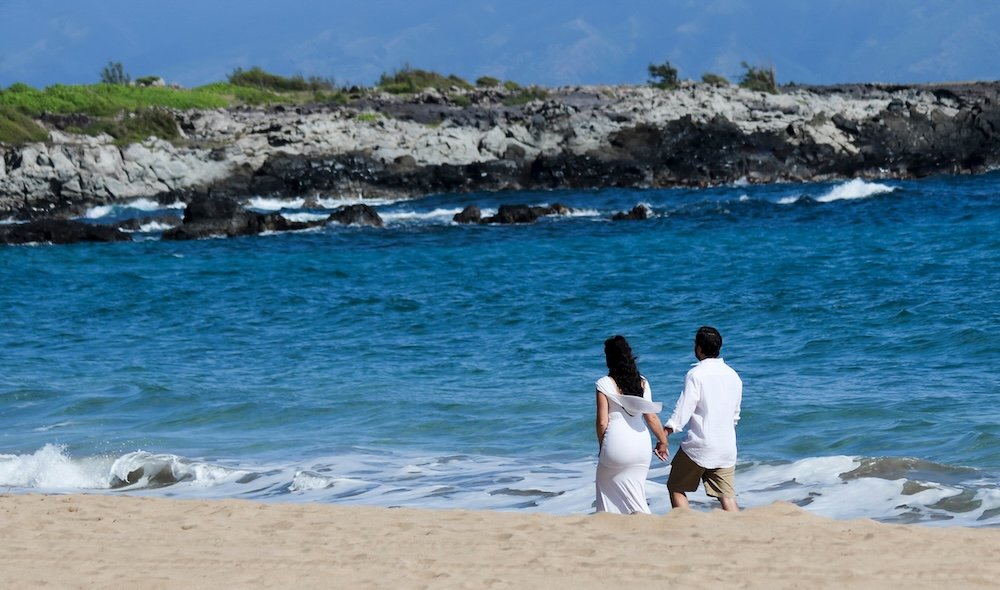
Maui works because it doesn’t ask guests to choose between beauty and comfort. Resorts along the west and south shores run full wedding operations, and the state’s oldest traditions, lei greetings, hula, chant, are available through cultural practitioners rather than performed as decoration, if a couple asks and does it with some care.
Charleston and New Orleans both trade on history that hasn’t been sanitized into a theme. Charleston’s oak-lined plantation grounds carry a complicated past that any honest planner will acknowledge rather than paper over, and the city’s mix of church weddings and garden ceremonies keeps costs below Napa or New York. New Orleans adds motion: a second line parade, guests trailing the newlyweds behind a brass band through the French Quarter, remains a living tradition there rather than a novelty booked for tourists, which is precisely why it still works.
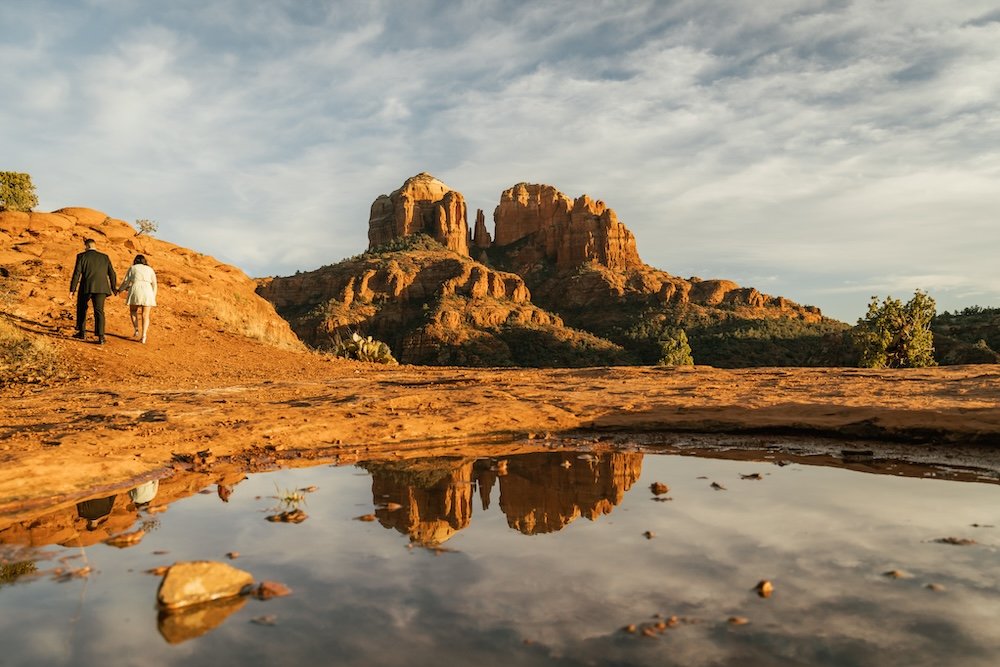
Aspen and Sedona sell landscape as the main event. Aspen’s lodges cater to a ski-town clientele used to paying for exclusivity, which shows up in the final invoice. Sedona is gentler on the wallet and heavier on atmosphere, its red rock formations doing more emotional heavy lifting than any florist could.
Yosemite and the Outer Banks are the counterargument to the idea that a destination wedding has to be expensive. A national park permit and a small guide fee will get a couple married under granite cliffs for a fraction of a resort’s cost, and a rented beach house on the Outer Banks sleeps the wedding party for less than a single night at most oceanfront hotels elsewhere on this list.
Key West and Nantucket sit at opposite ends of the same coastline personality. Key West is loud, warm, and unbothered, a place where the reception can spill onto Duval Street without anyone minding. Nantucket is quieter and considerably pricier, its lighthouses and shingled inns booked solid by early spring for anyone hoping for a summer date.
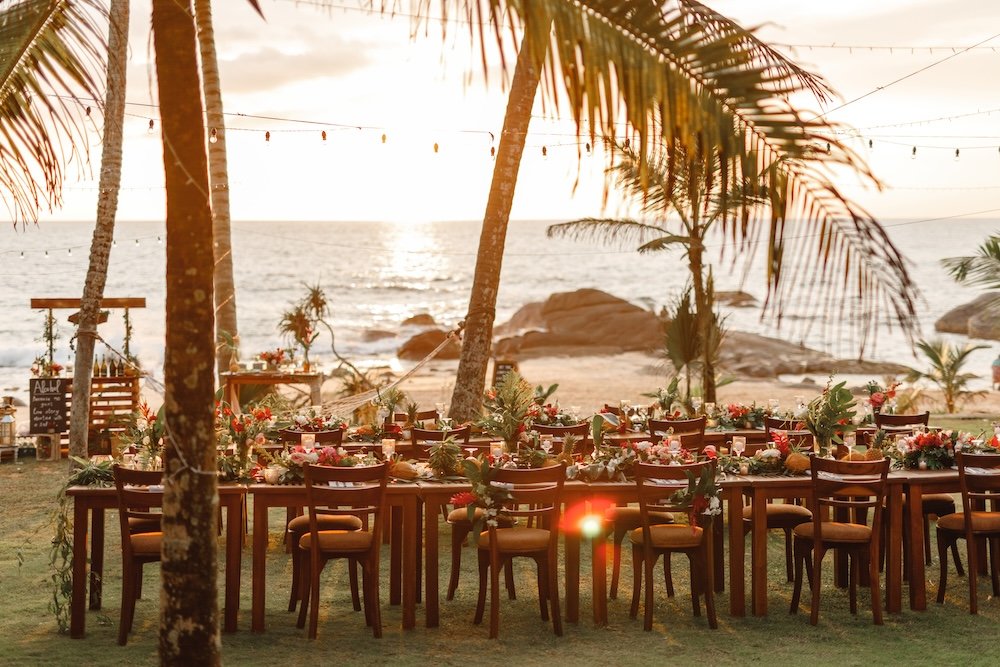
None of these places guarantees a good wedding. They guarantee a setting, which is not the same thing, and the couples who leave happiest are usually the ones who understood that distinction going in, hired someone who already knew where the power outlet was, and stopped checking the weather app three days before the big event.