


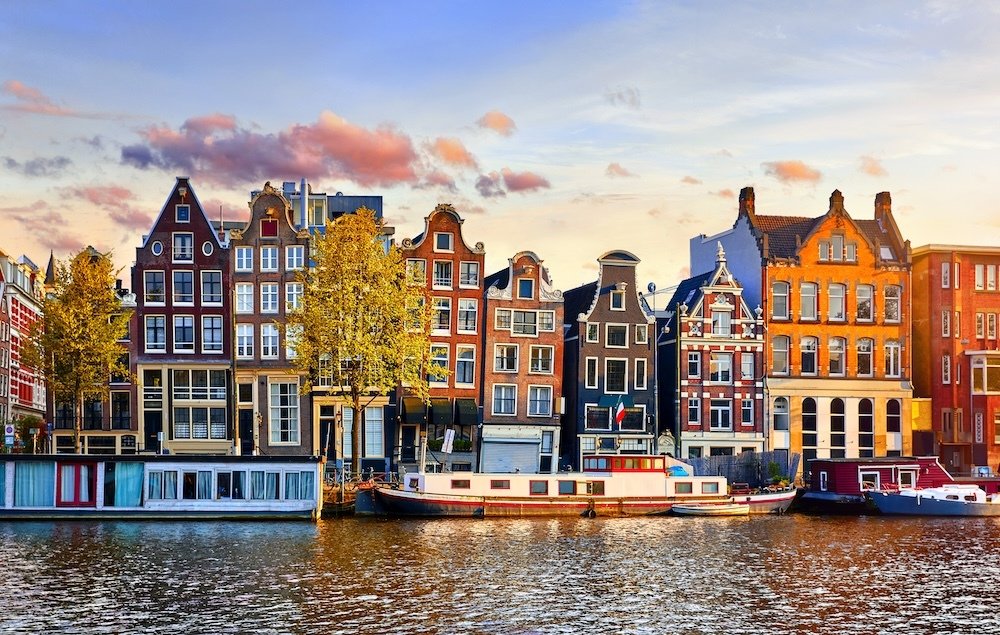
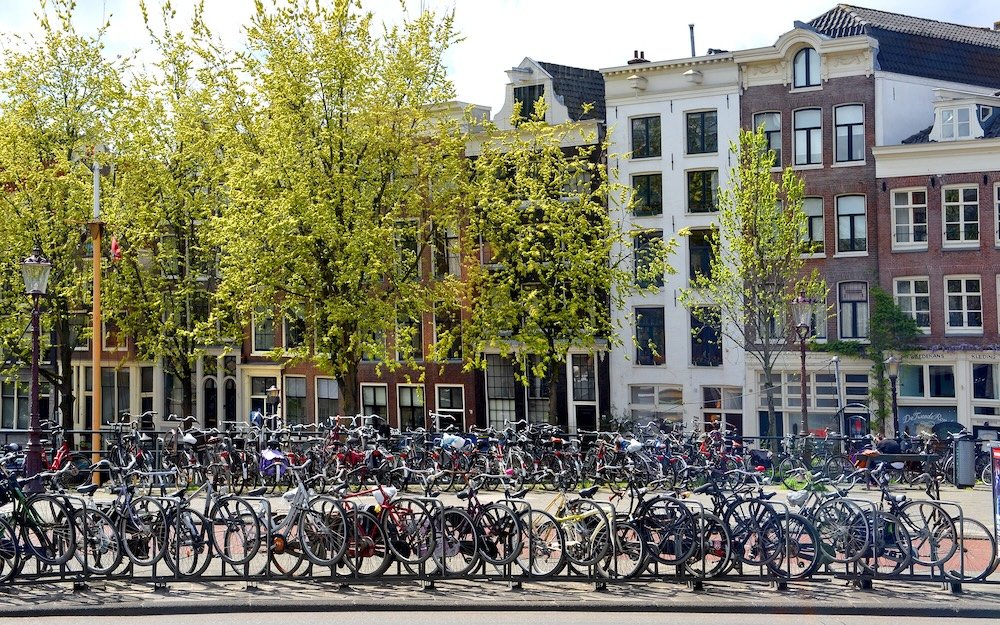
A bicycle bell went off behind me on Prinsengracht before I’d finished reading the historical plaque. Distracted, I stepped out in front of a bike. My mistake caused the bike to swerve violently to prevent a collision that seemed inevitable. But by the time I turned around the cyclist was already gone, with no angry words. It’s the way a city moves when it has been arranging itself around bikes for longer than most countries have had cars. That is Amsterdam’s opening argument to a first-time visitor: pay attention and keep enjoy the view. The canals will do the rest of the talking.
The canal ring itself, a UNESCO World Heritage site, is a thing to see from the water rather than the sidewalk. A daytime cruise shows the brickwork and the gabled houses leaning into each other like they’re sharing a secret, each one narrower than the last because Amsterdam used to tax buildings by the width of their façade. An evening tour trades the architecture for the bridges, strung with lights and reflected twice, once in the water and once in whatever wine glass you’re holding. Either version earns its hour.
Dam Square sits at the center of all this, home to the Royal Palace, the National Monument, and the Nieuwe Kerk, a fifteenth-century church that hasn’t been used for regular services in decades but still hosts exhibitions and the occasional royal ceremony. It is the place to sit on a step, watch the street performers compete with the pigeons for attention, and get your bearings before the rest of the city pulls you in different directions.

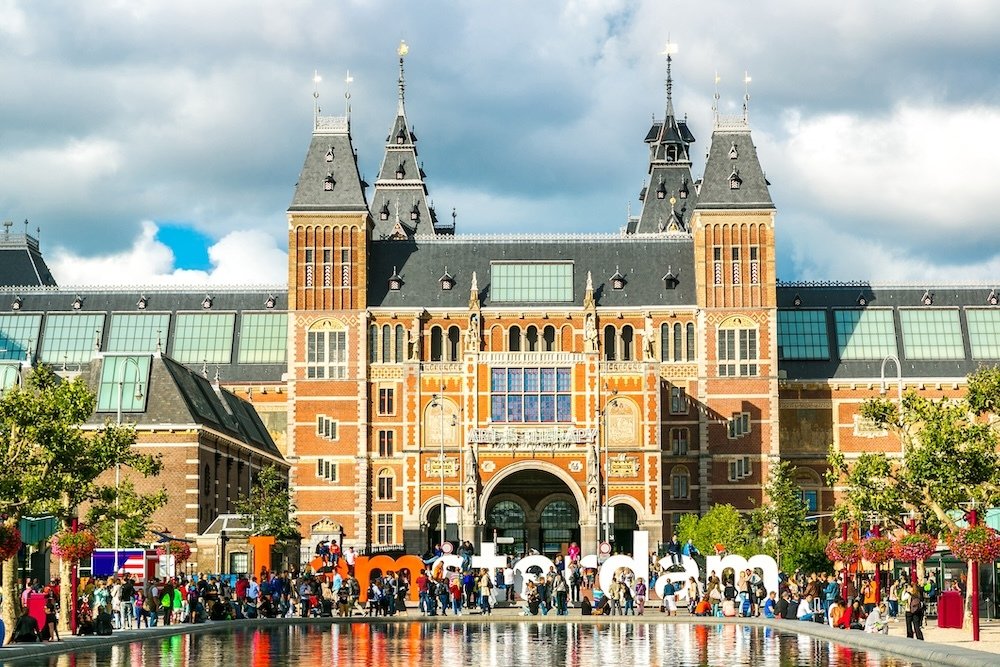
Two of those directions lead to the Rijksmuseum and the Van Gogh Museum, and both deserve the better part of a day. The Rijksmuseum holds eight hundred years of Dutch cultural history under one roof, including Rembrandt’s “The Night Watch” and Vermeer’s “The Milkmaid,” and the building itself, a cathedral-scaled piece of nineteenth-century ambition, is worth the ticket even for visitors who consider a museum a chore. The Van Gogh Museum, a few minutes’ walk away, arranges its collection chronologically, so you watch an artist’s technique and his unraveling happen in the same room, painting by painting.
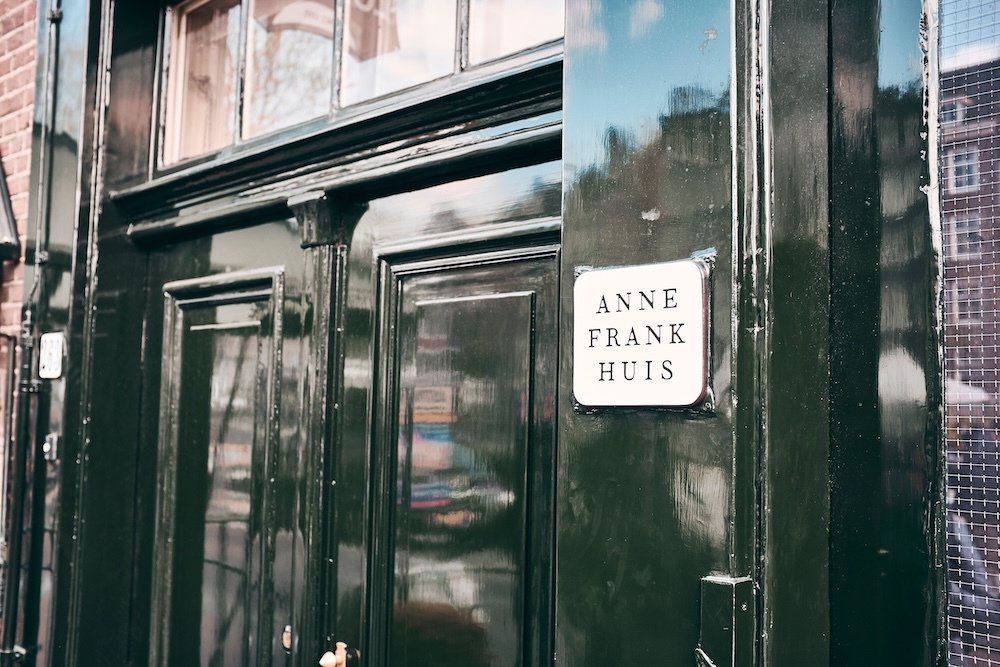
The Anne Frank House asks for a different kind of attention. The rooms behind the movable bookcase where Anne Frank and seven others hid for two years are preserved rather than restored, and the museum has kept them mostly unfurnished, on the family’s own wishes, which somehow makes the space heavier rather than emptier. Tickets sell out fast, released online roughly six weeks ahead, and showing up without one is a good way to spend an afternoon staring at a very long line instead of the annex. Book early, and don’t expect the visit to be quick or easy to shake off afterward.
For something lighter, the Jordaan rewards aimless walking more than any checklist. Once a working-class neighborhood, it has become the kind of place where a boutique, a hidden courtyard, and a decent bakery all share the same block. On Saturdays, the Noordermarkt fills with an organic farmers market, stalls of cheese and produce and secondhand goods spreading out around the Noorderkerk. A few streets over, the Begijnhof offers the opposite mood entirely, a hushed courtyard that has housed a community of religious women since the fourteenth century. It’s still a private residence for some, so photographs are fine but voices should stay down. Nearby, the Bloemenmarkt strings its flower stalls along the Singel canal, still marketed as the world’s only floating flower market (but it isn’t, really), and even a traveler with no interest in bulbs will find it hard to walk past without stopping.
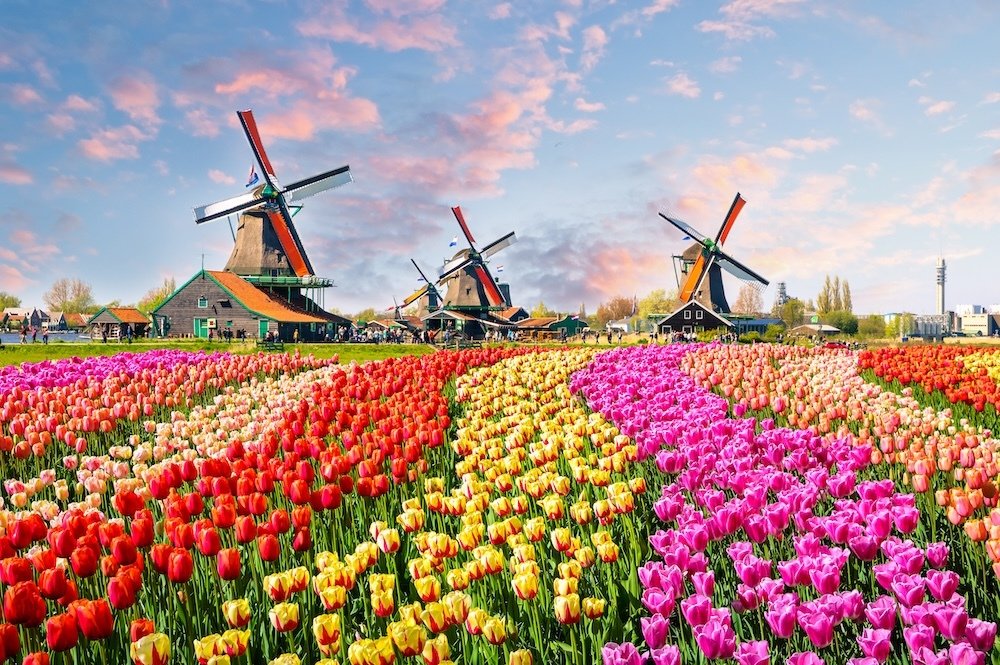
Outside the city, Zaanse Schans is worth the short detour. About fifteen to twenty minutes by train from Amsterdam Centraal, this stretch of the Zaan riverbank preserves a cluster of working windmills alongside traditional wooden houses, with demonstrations of cheese-making and clog-carving that feel staged only until you remember they used to be ordinary work.
Then there’s the part of Amsterdam that shows up in every joke about the city before anyone mentions a single museum. The Red Light District, known locally as De Wallen, is one of the oldest parts of Amsterdam, its narrow lanes lined with window brothels lit in red neon, and it is, legally, a workplace. Sex work is regulated in the Netherlands, and the people behind those windows are professionals, not a photo opportunity. Photographing them is not just rude, it can get a phone knocked out of a visitor’s hand, and the city has banned guided tour groups from the district’s narrow streets since 2020 to cut down on exactly that kind of gawking. Walk through if you’re curious. Keep the camera in your pocket and keep moving.
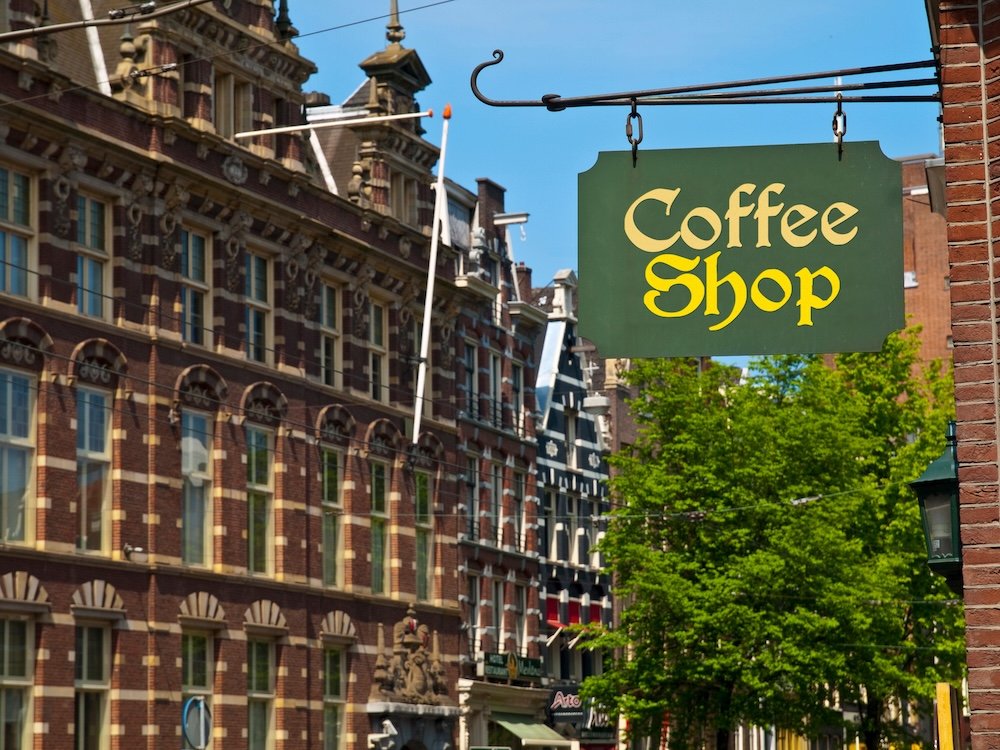
Coffee shop culture invites a similar dose of caution mixed with curiosity. The Dutch have never technically legalized cannabis, they’ve tolerated its sale in licensed coffee shops under a policy that looks the other way as long as shops stay within strict limits: no advertising, no hard drugs, no sales to anyone under eighteen, and no more than five grams per customer per day. What has changed recently is where you’re allowed to actually smoke it. Amsterdam banned smoking cannabis outdoors in the Red Light District in 2023, so what was once a very public habit is now supposed to stay inside the coffee shop itself. First-timers should treat a coffee shop the way they’d treat any unfamiliar substance in an unfamiliar country: start small, ask the staff rather than guess, and remember that “coffee shop” here has never meant coffee, but they do sell coffee too.
By the time I got back to Prinsengracht that evening, the same stretch of canal looked entirely different, the water black and the windows lit gold, and a different cyclist rang a different bell at someone who wasn’t me this time. Amsterdam doesn’t wait to see if you’ve caught on, it just keeps ringing.