



The Globe Museum in Vienna keeps its lights low, the better to protect four centuries of hand-painted spheres from fading, and on a Tuesday afternoon I had the entire second floor to myself. A 17th-century Coronelli globe sat under glass, the oceans still tinted the pale green cartographers used before anyone had actually measured the Pacific. I stood there for twenty minutes reading the little card about celestial versus terrestrial globe pairs, which is the kind of thing that interests exactly no one I have ever traveled with. Nobody sighed. Nobody checked a phone. Nobody suggested we’d covered the globes and could I move it along. I left when I was done, not when the group’s itinerary said I could.
That freedom is the whole case for traveling alone, and it deserves to be taken seriously rather than treated as a personality quirk. But it isn’t the only case that deserves to be taken seriously, and anyone who tells you group travel is a lesser form of the activity hasn’t been on the right kind of group trip.
What Group Travel Actually Gets Right
Start with the honest version of the case for company, because the caricature, everyone in matching lanyards trailing a raised umbrella through a piazza, is real but not representative. A well-run small-group trip solves problems that solo travelers pay for in time, money, or nerve. Someone has already negotiated the driver in a country where the roads don’t have names. Someone has already figured out which river guide knows the rapids best. Someone has already built relationships with the family that runs the homestay, which means you get invited into a kitchen a solo traveler with no local contact might spend three days trying to find.
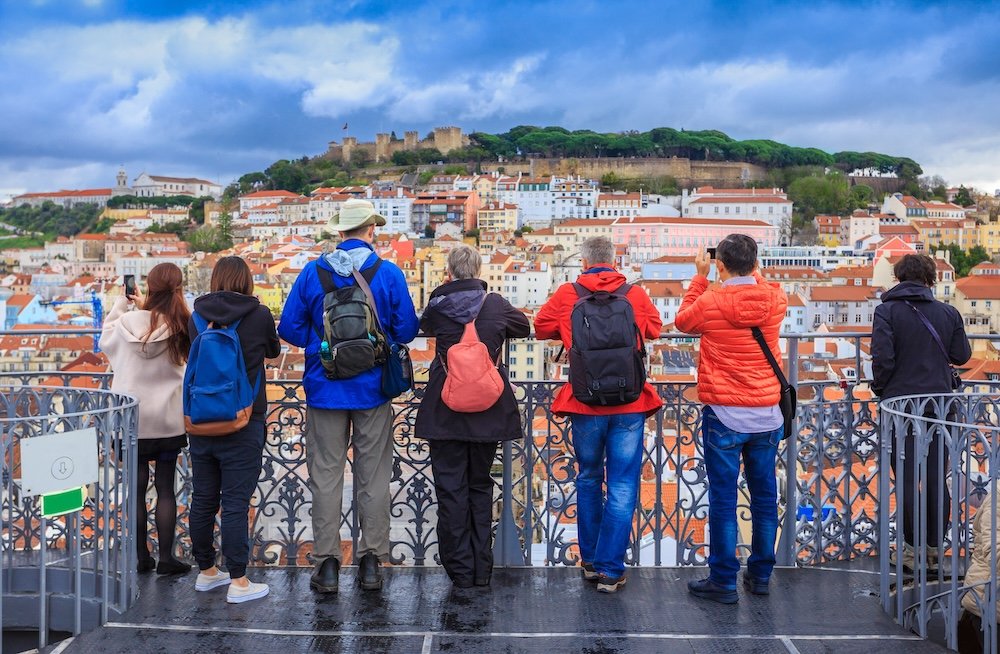
There’s also the matter of what happens after the trip. Shared experience compounds. A hike that nearly breaks you becomes, six months later, the story that makes your sister laugh until she can’t breathe, and that story only exists because she was standing next to you on the trail. Family travel in particular does something solo travel structurally cannot: it builds a shared archive that outlives the trip itself. I’ve done this and enjoyed it, genuinely, not out of obligation. There is a version of Iceland’s Golden Circle that lives only in my memory and a different, better version that lives in three people’s memories at once, cross-checked and argued over at Thanksgiving for years afterward.
And group travel is, for a real subset of destinations, simply the more honest way to see them. Some places don’t yield to a lone visitor with a guidebook. A closed research station in Antarctica, a private archaeological dig, a factory floor in a country where solo foreigners draw the wrong kind of attention. The group isn’t a compromise there. It’s the price of admission.
None of that changes the arithmetic of a limited travel budget and even more limited travel time, which is the position most people are actually traveling from. Every group itinerary is, by definition, an itinerary built for the group’s median interest, and the median interest is rarely the Globe Museum, or a three-hour detour to a wine bar with no sign, or the decision to sit in one café for an entire afternoon watching a city do its ordinary business. A group trip optimizes for consensus. Consensus is a fine way to run a company but a strange way to spend the finite number of days you’ll ever get to see Lisbon.
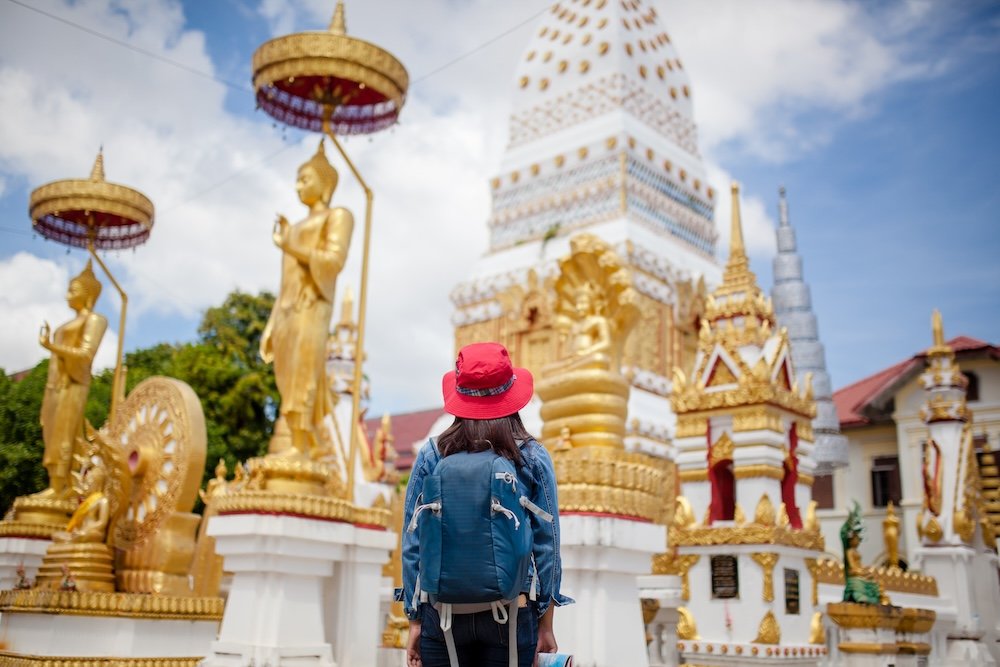
The deeper cost is harder to see on the itinerary. International travel, at its best, is an argument against parochialism, an attempt to understand how a society actually works from the inside rather than through the window of a tour bus. That kind of understanding tends to arrive through unscripted contact: the shopkeeper who wants to talk about his son in Barcelona, the couple at the next table who correct your pronunciation and then buy the next round. Those conversations happen because you’re visibly, approachably alone. A group of six Americans laughing together is a wall, however friendly. A single traveler at a bar is an invitation. This has nothing to do with being an introvert. If anything it’s the opposite: solo travel forces the kind of social initiative that traveling in a pack lets you skip entirely, because your built-in companions are always sitting right there, a safer and less interesting option than the stranger three stools down.
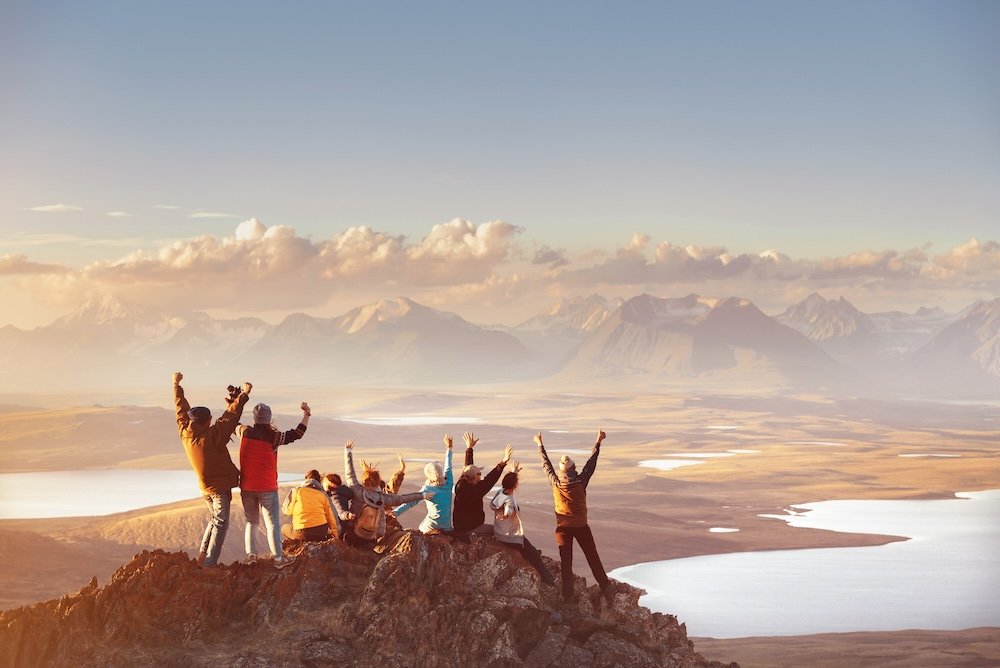
So which travel mode wins? Neither, truly, but if forced to choose a default, I personally choose solo, and treat the group trip as the exception I make for family, for genuinely inaccessible places, and for the handful of people whose company improves a destination rather than filtering it. The test is simple enough to apply before you book anything: will this itinerary let you find your own Globe Museum, or will it decide, on your behalf, that you’ve seen enough globes for one day. Most itineraries, if you’re honest with yourself, already know the answer, and most often decides the plan.