


The first blue plaque that caught my attention was on a little shingled cottage in the West End, almost completely hidden behind a thick thicket of beach roses; the plaque depicted a Cape Cod house being carried across the waves on a boat, with a lighthouse in the distance behind it. At first I thought it was a fanciful kind of house sign, but it turned out to be a biography. The Pilgrims were the first to land here, then painters and playwrights, and eventually an entire village floated its houses across the harbor. At the far end of Cape Cod, Provincetown still provides a place for anyone who turns up on the shore.
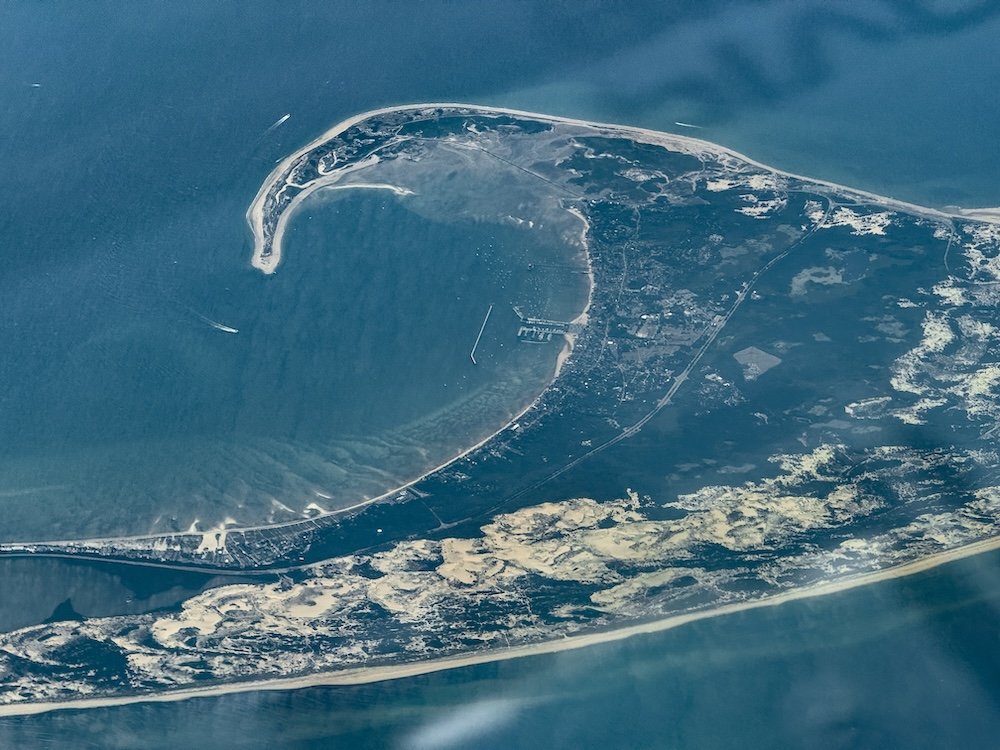
In the 1800s, a settlement consisting of 38 houses was established on Long Point, the narrow stretch of sand that bends around Provincetown Harbor. By the 1850s, though, the fishing had declined, and the salt trade was no longer successful, so the families chose to move with the town rather than wait for it to come to them. They loaded their houses onto scows and floated them about a mile across the water.
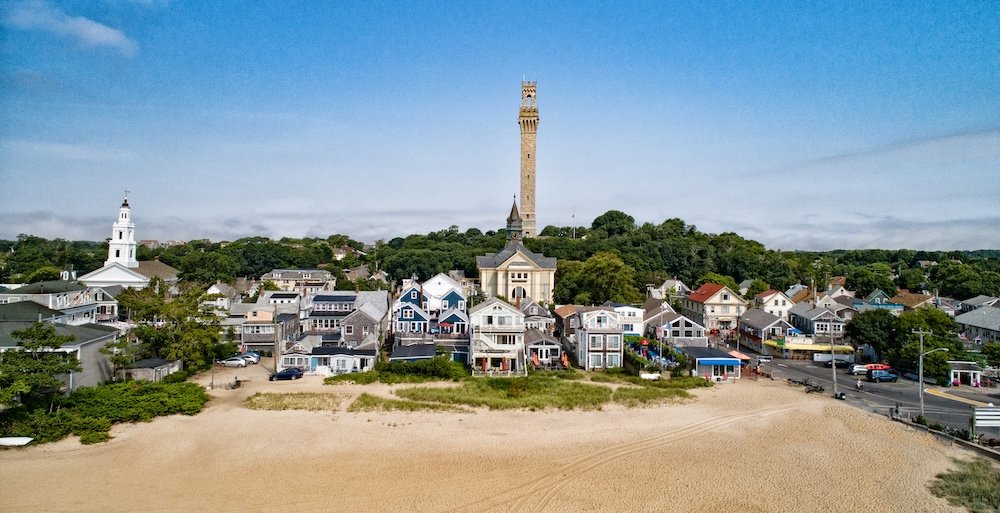
The 2020 census showed that Provincetown had 3,664 people living there year-round, but during the height of summer the population can rise to as many as 60,000. No other place in New England has within a single main street of only three miles a national seashore featuring dunes and open beaches, the country’s oldest continuously operating art colony, a strong tradition of Portuguese fishing, and one of the world’s most well-known LGBTQ+ communities. Great beaches and whale watching are also a big part of the mix. Provincetown doesn’t ask tourists to choose between these attractions; instead, it offers them all together.
THE HARBOR THAT CAME FIRST
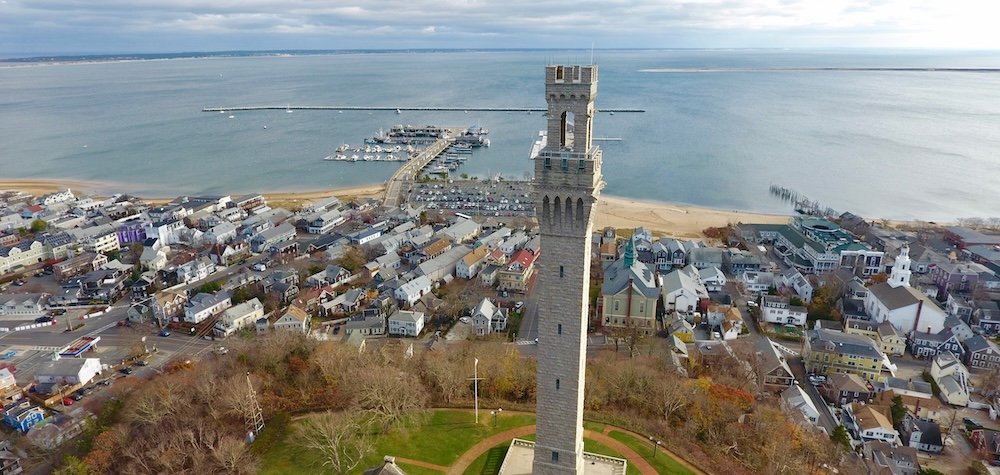
History in this area generally starts with Plymouth being presented as the winning side in textbooks. The Mayflower moored in Provincetown Harbor in November 1620, where the passengers signed the Mayflower Compact and first set foot on land, exploring the tip of the Cape for about five weeks before setting sail again. The Pilgrim Monument, a 252-foot granite tower based on the Torre del Mangia in Siena, marks the town’s claim from High Pole Hill. Theodore Roosevelt laid the cornerstone in 1907, arriving by boat on the presidential yacht, coincidentally named the Mayflower. It remains the tallest structure in the United States made entirely of granite, and the 116 steps and 60 ramps inside end with the Cape’s entire curled arm spread out below.
In the late 1800s, the fishermen from Portugal and the Azores formed the core of the fleet. Their finest achievement is on display upstairs at the Provincetown Public Library as a 66-foot half-scale model of the schooner Rose Dorothea, built by boatbuilder Flyer Santos and commonly referred to as the largest ship in a bottle. Marion Perry, born on São Miguel, had no desire to take part in the 1907 Fishermen’s Race off Boston but entered it anyway. On the final leg, the schooner lost her foretopmast and yet still won the race by two minutes and 34 seconds over the Jessie Costa. Since the race has never been held again, Sir Thomas Lipton’s trophy has never left the town, and it is also located in the library.
The painters arrived next. In 1899, Charles Hawthorne founded the Cape Cod School of Art and had students paint outdoors, using the bright light reflecting off the bay. By 1916, the Boston Globe was calling Provincetown “the largest art colony in the world.” That same summer a group of writers put on Eugene O’Neill’s Bound East for Cardiff in a fish shed on Lewis Wharf, marking the first time any of O’Neill’s plays had been produced. On the night the play opened the fog came in exactly as the script had required, and the tide washed against the floorboards, effects which no Broadway budget could afford.
WHAT VISITORS DO
On most days, the street starts and ends at Commercial Street, a narrow lane used by cyclists, parents pushing strollers, and drag performers handing out flyers for the shows that night. My first destination was the Provincetown Portuguese Bakery, which has been making malasadas at 299 Commercial Street since 1936; mine came hot, covered in sugar, and didn’t make it to the end of the block. The Provincetown Art Association and Museum, established in 1914, has over 4,000 works by artists who lived or worked in the area, and several East End galleries open their doors during the season for Friday evening walks.
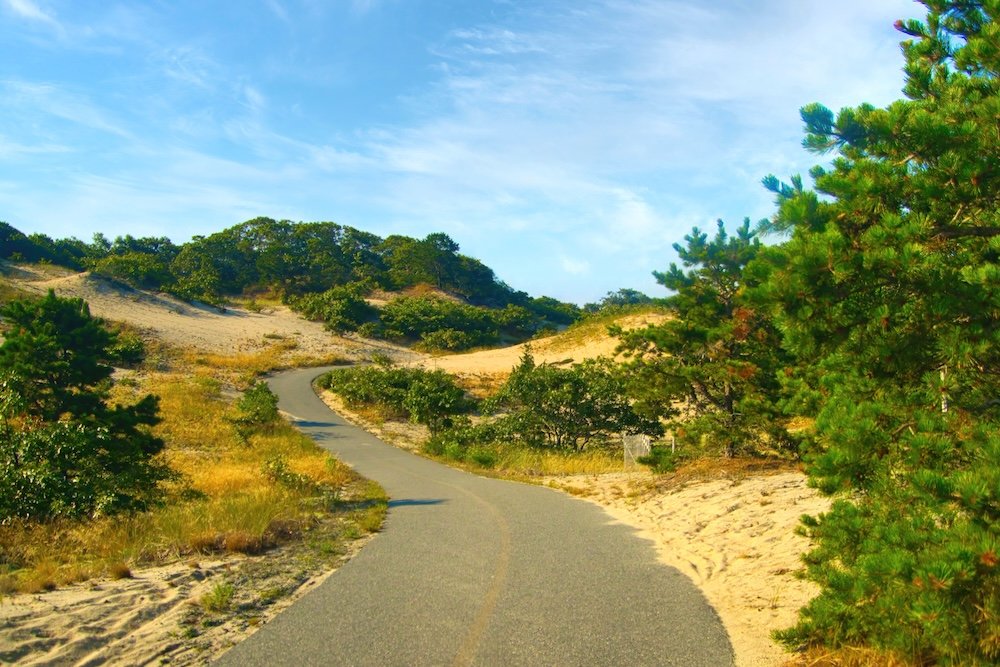
Beyond the town are the Province Lands, protected from logging since 1714 to prevent sand from blowing into the harbor. The Province Lands Bike Trail, constructed in 1967 and the National Park Service’s first bicycle trail, is 5.45 miles long and winds through pitch pine, cranberry bogs, and open dunes, including branches leading to Race Point and Herring Cove beaches. At Herring Cove, sunset watchers regard the sun as the evening’s main attraction. Nineteen historic shacks sit among the dunes, where O’Neill wrote Anna Christie and where Jack Kerouac and Norman Mailer spent time. Art’s Dune Tours has taken visitors to these shacks since 1946.
Sure-footed visitors can cross the West End marsh via the breakwater over a mile-and-a-quarter stretch of granite boulders, ending near Wood End Light. Consult the tide chart first, as high tide makes the rocks slippery. Long Point also contained two Civil War-era batteries which never fired upon an enemy, and locals nicknamed them Fort Useless and Fort Ridiculous with admirable honesty.
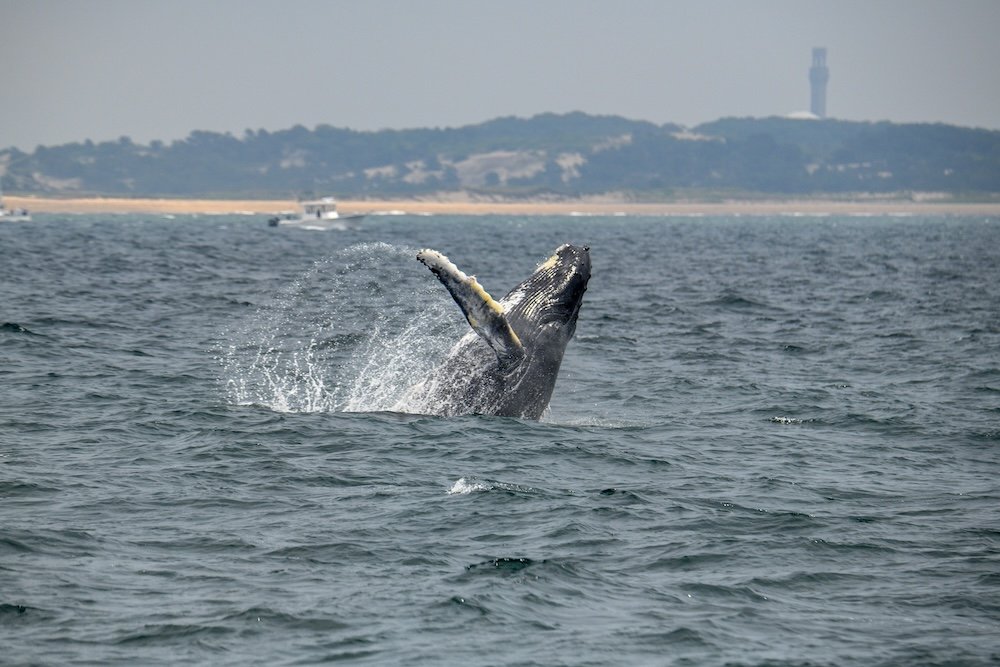
There are also the whales; in 1975, a fisherman named Al Avellar saw that his charter guests were more interested in the humpbacks than in the fish themselves and started the Dolphin Fleet, which became the first whale-watching service on the East Coast. Since Stellwagen Bank supplies the whales with food about eight miles out, the boats operate from mid-April until October, and a humpback named Salt, who was first spotted in the 1970s, still comes back and, as a result, is one of the town’s longest-established summer regulars.
A CULTURE OF LAYERS
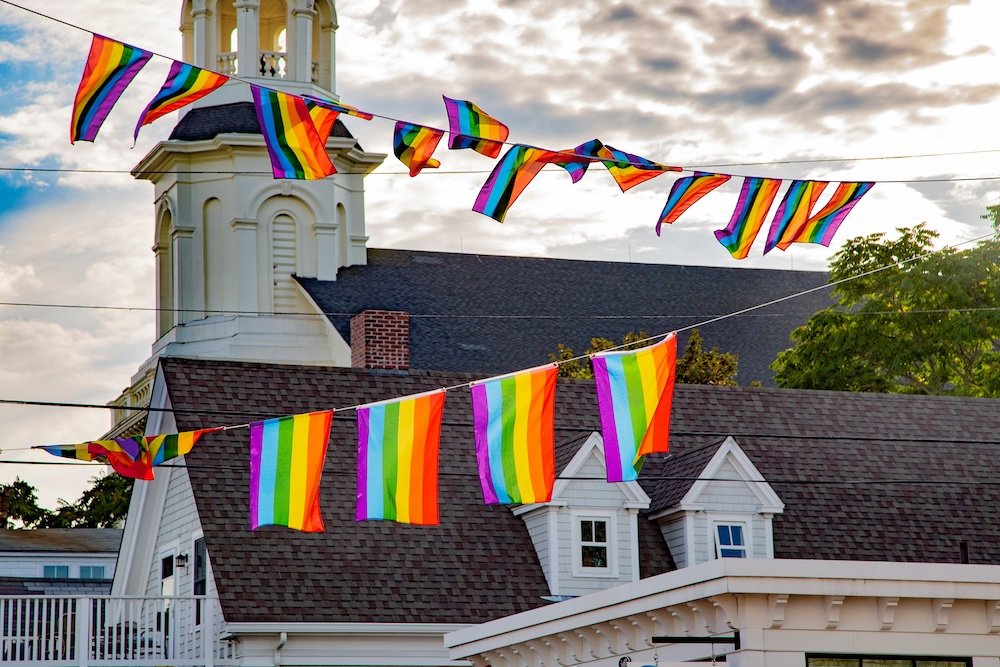
Provincetown’s culture is made up of various communities that, long ago, developed the habit of sharing the sidewalk. The Portuguese Festival takes place during the last weekend in June and concludes with the Blessing of the Fleet at MacMillan Pier, a custom two local fishermen from Gloucester brought back to the area in 1947. Since the early days of the art colony, the LGBTQ+ community has been there, setting the pace for the summer. Every day during the busy season, the tea dance on the harborside deck of the Boatslip, a tradition that dates back to the early 1970s, begins at 4 p.m. Carnival week in August, organized by the Provincetown Business Guild since 1978, features a costumed parade which goes down Commercial Street before a crowd of tens of thousands of people.
The calendar includes several themed weeks, such as Bear Week in July and Women’s Week, started in 1984 by the innkeepers to fill rooms during the quiet autumn period, as well as Holly Folly in December. What impressed me most was that everybody regarded these events as unremarkable; families with young children, fishermen, and drag queens strolled down the same street, and the only person taking notes was me.
WHEN TO GO
The peak period runs from late June until Labor Day, with temperatures reaching the upper 70s, the bay warming to the upper 60s by August, and all boats, dance floors, and raw bars open. Room prices are highest, and during Bear Week and Carnival, rooms book up months in advance.
The shoulder season, which lasts from May through mid-June and again in September and October, is ideal. September highs are close to 70, the whales are still feeding, and Commercial Street becomes a place where you can walk slowly. The Boston fast ferries, with a travel time of about 90 minutes, operate every day from mid-May to mid-October.
From November through April, the low season is windy and cold, with the highest temperature in January about 39°F. During this time, many businesses close; Cape Air still operates from Boston, and the town, inhabited year-round, becomes more apparent. Holly Folly brings a lively influx of visitors, and anyone who wants the dunes to themselves can.
DAY TRIPS WORTH THE DRIVE
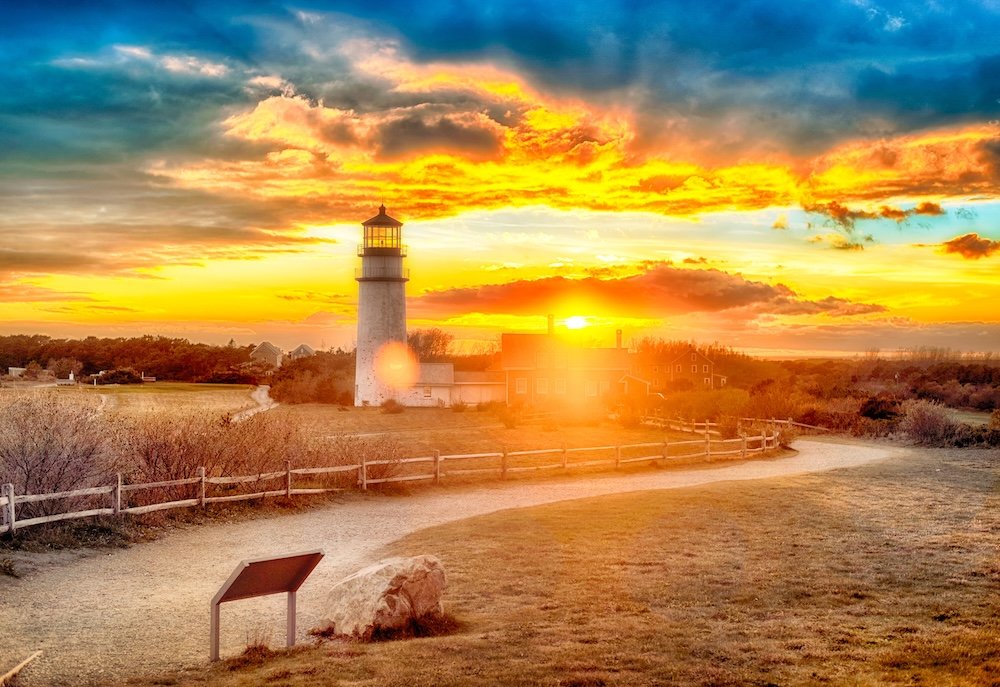
Truro is roughly a 10-minute journey to the east. The Highland Light, which is the oldest lighthouse on the Cape, was moved 453 feet away from its crumbling cliff in 1996 using beams lubricated with Ivory soap. At Corn Hill, there is a marker indicating the date of November 1620 when a group of Pilgrims discovered some Wampanoag seed corn that had been buried and took it away, an event which the plaque refers to in a milder manner than history does.
Wellfleet, about a half-hour’s drive away, is known for its oysters, and each October it holds an event called OysterFest on Main Street. On January 18, 1903, in the southern part of Wellfleet, Guglielmo Marconi’s station transmitted a message from Theodore Roosevelt to King Edward VII, thus making it the first two-way wireless communication between the United States and Europe; although the sea has since taken over a large part of the site, the cliff still looks out to the open ocean.
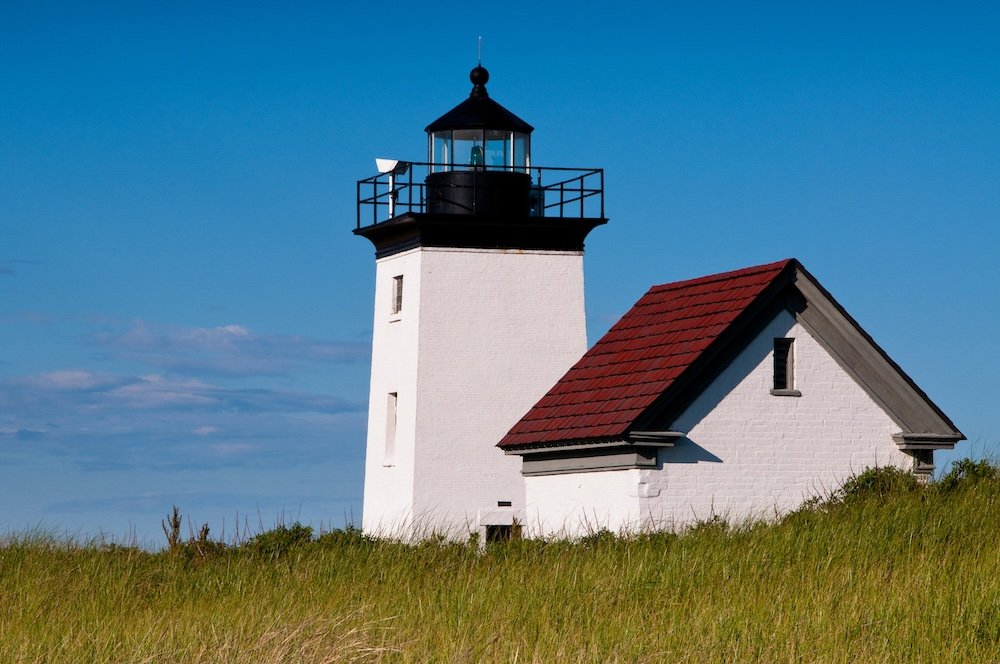
On the morning in question I took the ferry from the harbor and saw Long Point go by, all that was left of it now being its lighthouse, as though the village had only gone out for a while. In a way it had; its houses were a mile behind me, with blue plaques on their roof slates, and they had remained precisely in the positions the town had decided to keep.