


At ?seven in the morning, before the humidity kicks in, the class at Okinawa Karate Kaikan is in full swing. Barefoot on wooden tiles, students line up with a row of levers made of smoothed stones called chiishi, waiting on the wall for strength exercises after the forms. The sensei, a woman in her 60s, pauses to explain something to a group of Australians who obviously arrived at seven in the morning expecting crane kicks. Karate wasn’t invented for movies. It was invented here on this island as a form of self-defense for farmers, and also as folk dance, because centuries ago the Ryukyu kings didn’t want their subjects to have bladed weapons, so they banned them, and the farmers had to improvise. The style taught here, Goju-ryu (hard and soft), was codified in 1929 by a teacher from Naha named Chojun Miyagi. A few decades later, a Hollywood screenwriter who happened to train in Goju-ryu needed a name for a wise, weathered martial arts teacher, so he borrowed it.
Okinawa is Japan’s southernmost prefecture, a chain of more than 150 islands in the East China Sea. It has its own history as an independent kingdom, its own language family, its own cuisine based around ingredients that mainland Japan mostly didn’t care about, and, in a somewhat contested claim explained below, the highest per capita number of centenarians in the world.
The annexation that actually molded the island the most came on April 1, 1945, when American forces set foot on the western beaches of Okinawa as the largest amphibious assault in the Pacific War began. The battle would rage for 82 brutal days. The 32nd Army of Japan made its headquarters inside Shuri Castle itself, and by the end of May the five-century-old castle would be reduced to rubble by American naval gunfire, with an estimated 5,000 Japanese soldiers killed inside the tunnels they’d dug beneath it. By June 22, when organized resistance finally collapsed, an estimated 240,000 people were dead: about 12,500 American servicemen, 110,000 Japanese defenders, and by most estimates more than 100,000 Okinawan civilians, or close to a third of the pre-war population, killed by shelling, disease, starvation, and mass suicide encouraged by a military that had told them capture was worse than death.
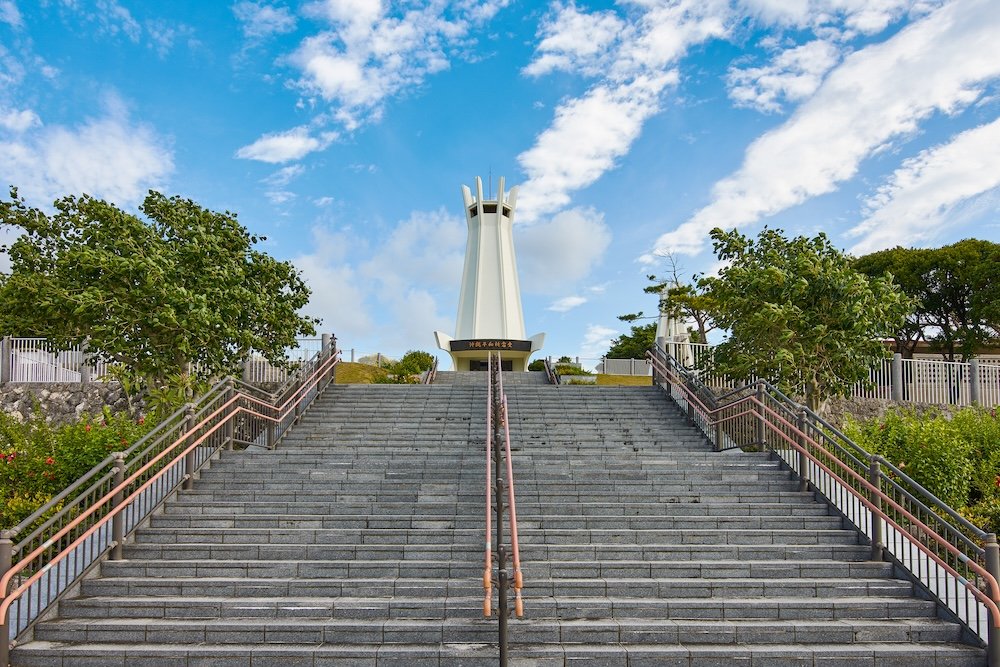
The Himeyuri Peace Museum, constructed over one of those caves just south of the town of Itoman, is not a large stop on most tourist itineraries, but perhaps it should be. It’s a more honest introduction to what this island survived than anything on Kokusai-dori. Okinawa reverted to Japanese sovereignty on May 15, 1972. The bases never left. Okinawa Prefecture occupies only 0.6 percent of Japan’s total land area. Today, it hosts about 70 percent of the land Japan designates exclusively for American forces, with US bases covering an estimated 14 percent of the main island. It’s a genuine local issue, argued over in Okinawan elections for decades, and also a weird thing to drive past on your way to a beach resort: a fighter jet on final approach, low enough to shake the windows of a rental car, over a coastline designed for honeymoons.
What to see
Shuri Castle, refurbished once after its destruction in 1945 and reopened in the 1990s, went up in flames again on the morning of October 31, 2019, in an electrical fire that destroyed the main hall and five other buildings before it could be stopped, and the official cause was never conclusively determined.
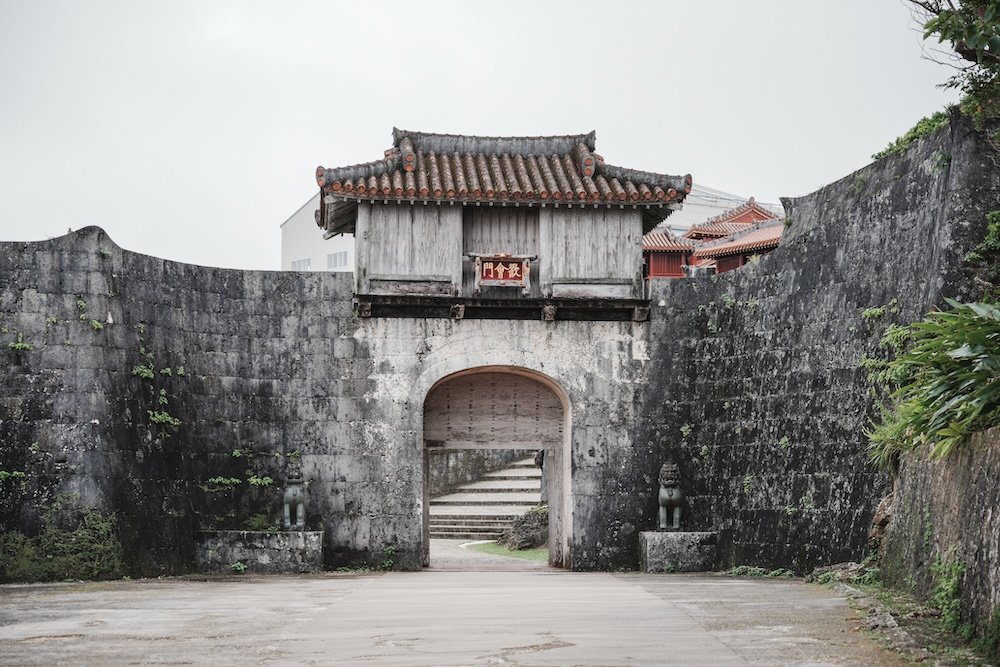
Reconstruction has been underway since February 2020, using traditional joinery and materials sourced as 15th-century Ryukyu builders would have. As of this year, the roof tiles are in place, with full restoration and a formal re-opening ceremony planned for November 2026.
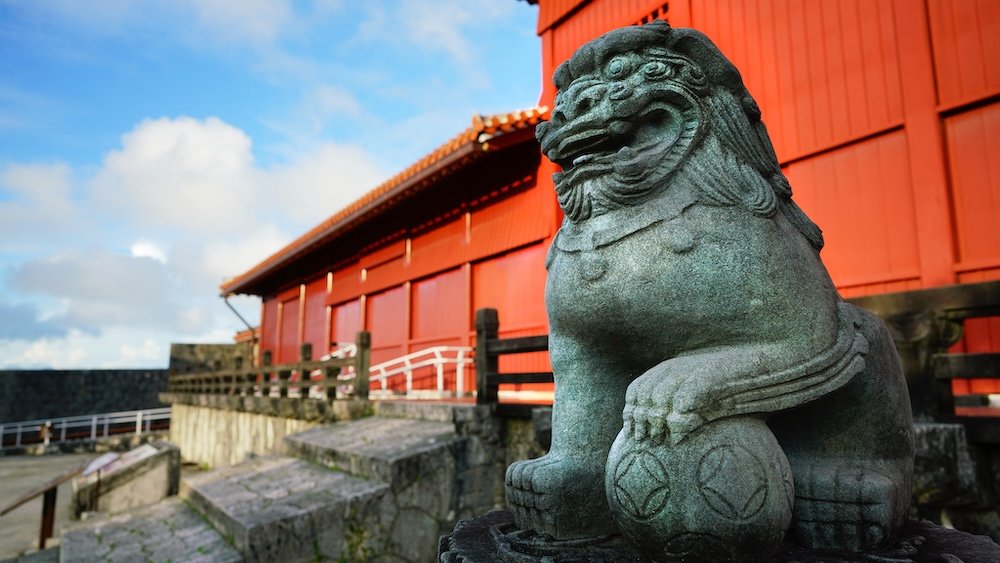
The site is one of nine components – including the ruins of Nakijin, Zakimi, Katsuren, and Nakagusuku castles and the sacred grove of Sefa-utaki – that make up the “Gusuku Sites and Related Properties of the Kingdom of Ryukyu” listed by UNESCO and inscribed in 2000.
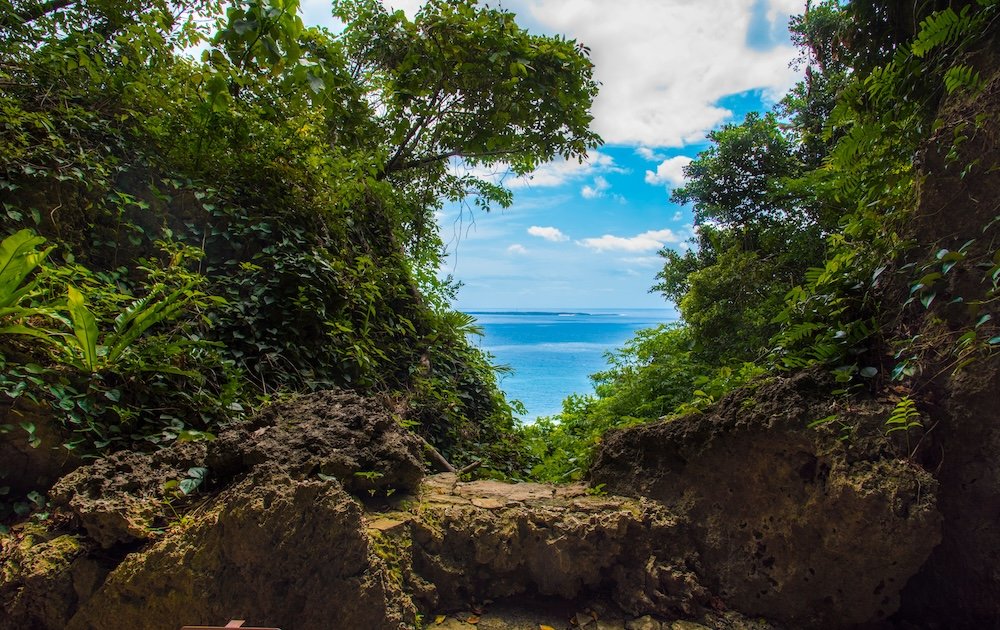
Sefa-utaki, in particular, is especially worth the detour: a forested site on the island’s southeastern tip that was once the kingdom’s holiest place of worship, closed entirely to men, where the high priestess performed rites connected to Ryukyu’s creation myth, and still a place for quiet prayer.
If the karate dojo mentioned earlier piqued your interest, the Okinawa Karate Kaikan, which opened south of Naha in 2017, is the more formal version of the same story: a museum and dojo built with the intention of preserving a martial art that Okinawa exported to the rest of the world and, in the process, to a fictional handyman in a California bonsai shop.
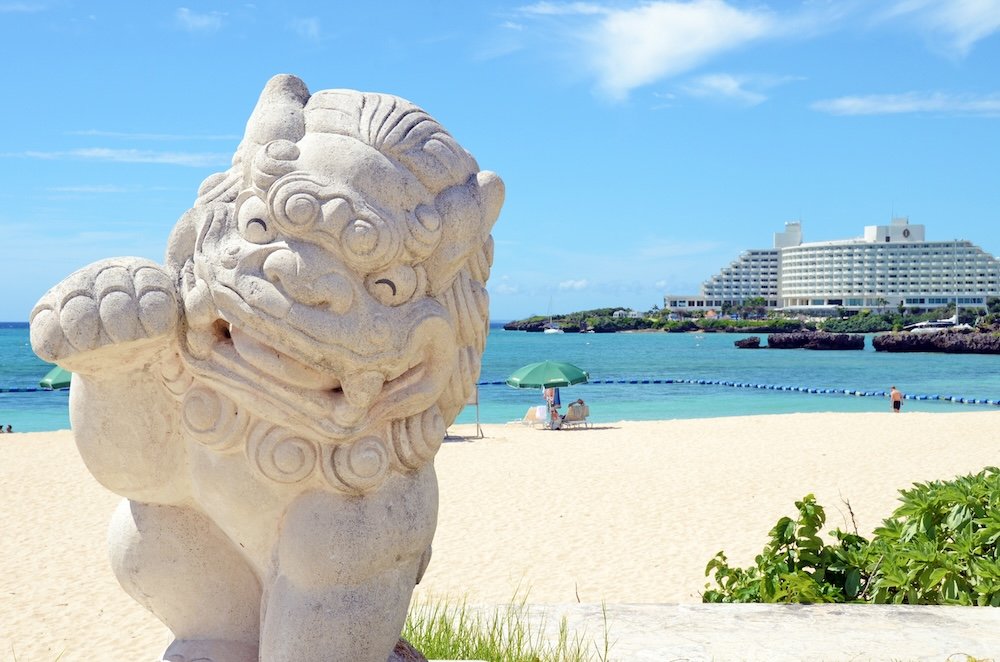
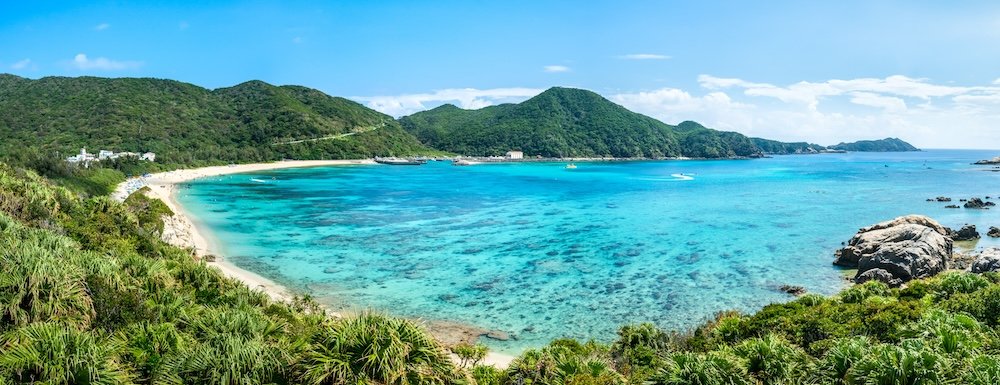
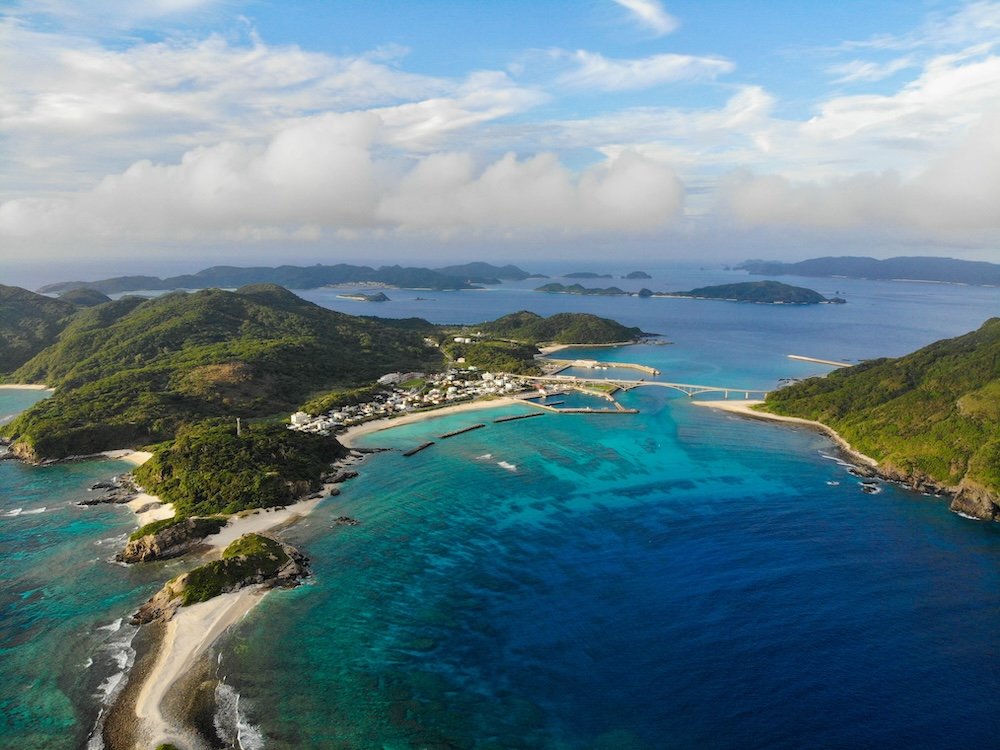
The beaches are Okinawa’s star attraction, and rightfully so. The Kerama Islands, a 40-minute ferry ride northwest of Naha, have some of Japan’s clearest water, with white-sand beaches and a remarkable shade of turquoise. The reefs around Zamami and Tokashikiki draw snorkelers and divers for their resident sea turtles.
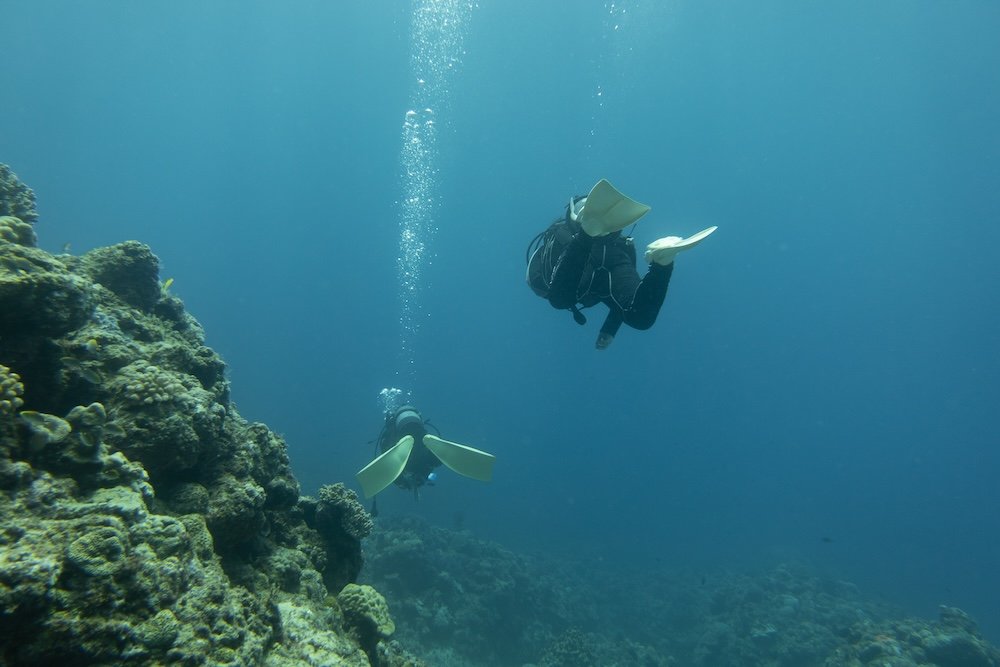
Naha’s Tomari Port departs boats to both islands most mornings, and a half-day of snorkeling is all it takes to see why it has a national park designation while the rest of Okinawa’s coastline does not.
On land, the north end of the island, known as Yanbaru, has something rarer than good sand: a subtropical forest so dense that a sizable portion of it was only designated a national park in 2016 and designated a UNESCO World Natural Heritage site in 2021, alongside Amami-Oshima, Tokunoshima, and Iriomote.
The star resident of the Yanbaru forest is the Okinawa rail. This flightless, chicken-sized bird was formally described by science only in 1981 and is found nowhere else on earth, with its population dropping from about 1,800 birds in the mid-1980s to well under half that in the mid-2000s, a result of introduced predators such as mongooses that were brought to the island decades ago to control venomous snakes and ended up eating the local wildlife.
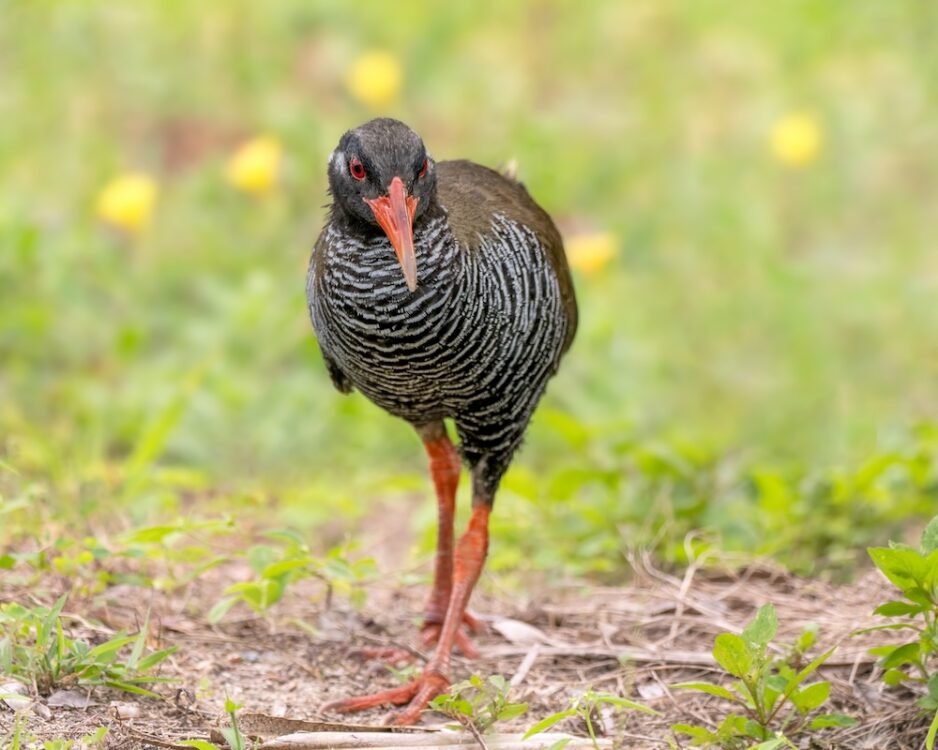
Nighttime guided hikes through Yanbaru provide a real, if not guaranteed, chance to hear or spot this rare bird, as well as its equally rare mate, the Okinawa woodpecker, and the forest itself, thick with tree ferns and dripping with an atmosphere more reminiscent of Southeast Asia than the rest of Japan, is well worth the drive north even without spotting a bird.
Cherry blossoms make an oddly appropriate addition to this list. Okinawa is the first place in Japan to bloom every year, typically in late January, weeks before anywhere on the Japanese mainland, due to the Kanhizakura cherry tree, which blooms at warmer temperatures than the Somei Yoshino trees people typically think of when they think of sakura trees.
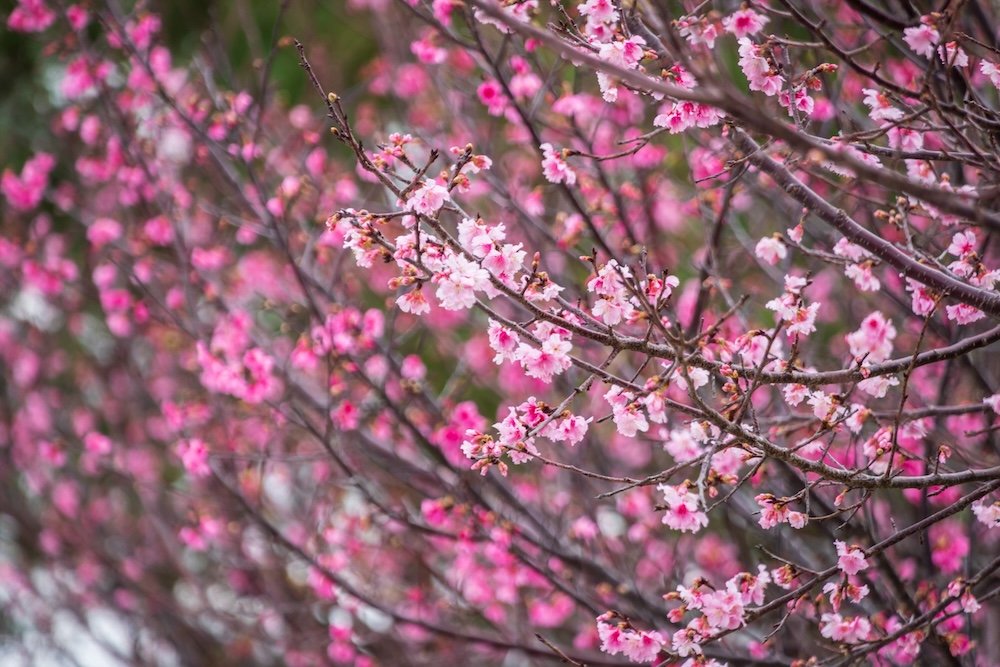
The two most reliable spots to see cherry blossoms are Nakijin Castle, one of the Gusuku ruins mentioned above, and the road up to Yaedake mountain on the Motobu Peninsula; unlike the synchronized blooming and falling of sakura season on the mainland, Okinawan cherry blossoms bloom unevenly over a couple of weeks, which helps a lot when trying to plan from overseas.
Note that we omit the Okinawa Aquarium, popular for enormous tanks with whale sharks. The tanks are huge, but whale sharks are migratory and cannot thrive in captivity.
What to eat
Okinawan food diverged from the rest of Japan for much the same reason everything else here did: 500 years of trade with China and Southeast Asia, plus a climate that can grow things the rest of Japan can’t. Okinawa soba are thick wheat noodles in a pork-and-bonito broth (no buckwheat involved, despite the name), typically served atop a slab of soki, stewed pork ribs that fall apart at the touch of a fork. Goya champuru is bitter melon stir-fried with tofu, egg, and pork or Spam; “champuru” in the local Ryukyuan language means roughly “mixed up,” a good descriptor for a dish that encapsulates the island’s culinary ethos: whatever’s available, cooked up together with little fanfare. Taco rice, invented in 1984 by Matsuzo Gibo at King Tacos in Kin Town, a stone’s throw from a US Marine base, is exactly what it sounds like, taco meat seasoned for tacos, lettuce, cheese, and salsa served over a bed of rice instead of a tortilla, dreamed up for American service members who didn’t want to leave their bases to enjoy Tex-Mex flavor, and adopted so thoroughly by locals it’s considered an Okinawan dish rather than a foreign one.
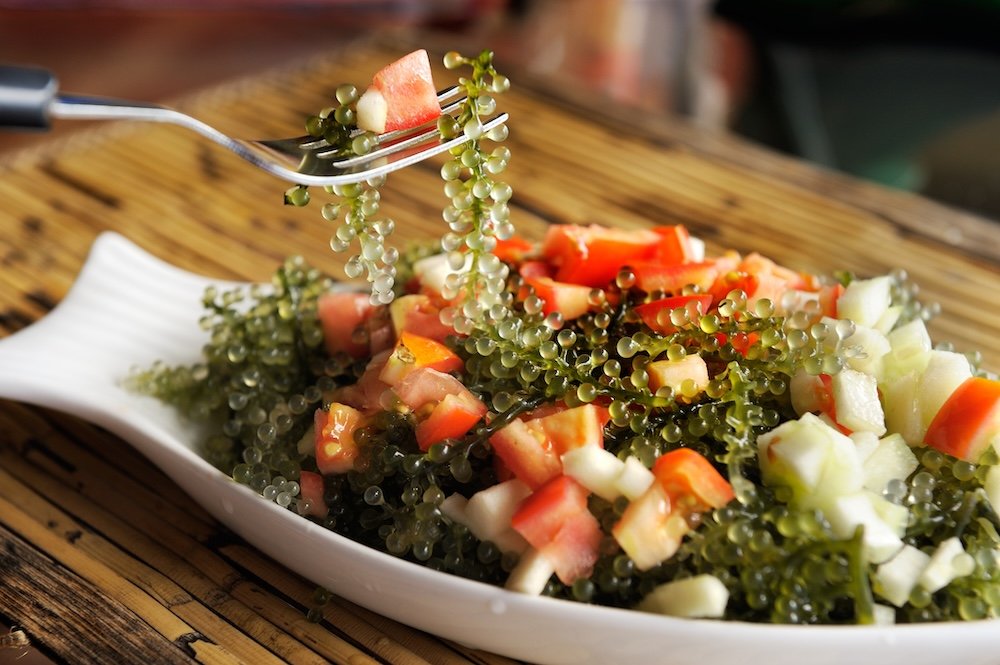
That longevity claim is featured in nearly every piece of marketing material about Okinawa and deserves some attention. Typically, the story goes, a diet rich in purple sweet potato, goya, tofu, and seaweed drives Okinawa’s above-average centenarian population. More recent research is less kind: demographer Saul Newman, who has spent years auditing so-called “Blue Zone” longevity claims around the world, has noted that as of 2018 Okinawa ranked 28th out of Japan’s 47 prefectures in centenarians per capita, behind both Shimane and Kochi, and that Japan’s own government reduced its national count of centenarians by more than 80 percent in 2010. Many of the official birth certificates were destroyed during WWII, leading to “estimated” ages that call into question the accuracy of the records.
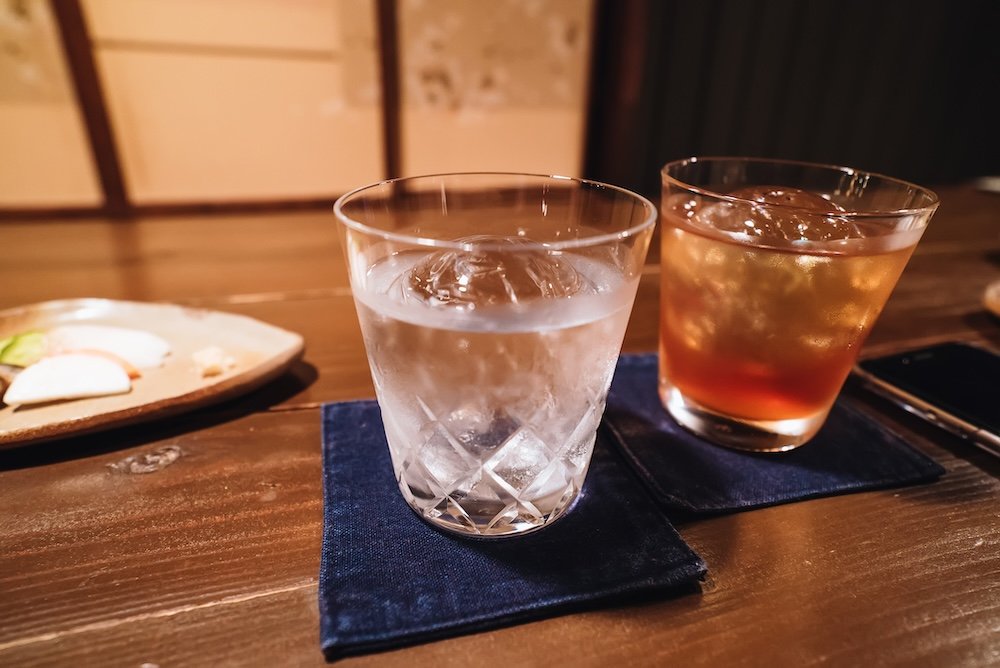
Awamori is Japan’s oldest distilled spirit, predating sake-style rice liquor by centuries, distilled from Thai long-grain rice with a black koji fungus rather than the yellow koji used elsewhere in Japan, and arrived with the same trade routes that brought everything else to these islands. Aged awamori, called kusu, is typically aged in clay pots or oak casks for years, and mellows out to something closer to light whiskey than the sharp shochu people expect; a few distilleries on Miyako and Ishigaki offer tastings that make the case far better than any review can. A specific type of Okinawan awamori called habushu (or habu sake) contains a whole venomous snake inside the bottle.
For something a little less formal, Orion, brewed in Nago since 1957 and named as the result of a public contest because the constellation Okinawa can see more easily thanks to its clearer southern skies, remains the go-to local beer by a wide margin, cool and light in a way that makes sense once the humidity hits 80 percent.
Great day trips
From Naha, the Kerama Islands are close enough to reach in a half-day and well worth a full day if ferry schedules cooperate, snorkeling in the morning and a leisurely lunch in Zamami’s minuscule main street in the afternoon. Ishigaki and Miyako, about an hour’s flight south of Naha, are part of the Yaeyama and Miyako island groups respectively and offer the same shade of turquoise water but in a rougher, less developed form, with Miyako’s Sunayama Beach and Ishigaki’s Kabira Bay routinely named among the best beaches in Japan by people who have, apparently, also visited the beaches closer to Naha.
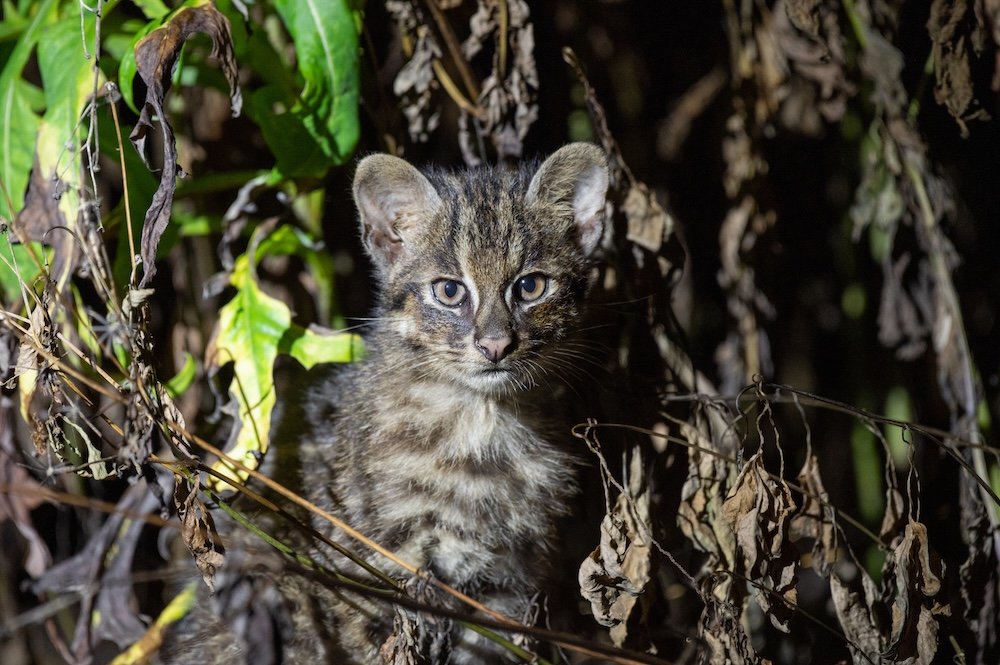
Further south, Iriomote, mostly mangrove and jungle and home to a wildcat unique to the island, is well worth the effort of taking a ferry transfer from Ishigaki and a day of kayaking through river mangroves that look more like Borneo than Japan. And back on the main island, a day spent driving north through Yanbaru to the with a stop at Nakijin Castle along the way, covers the forest and the ruins in one loop that starts in Naha traffic and ends somewhere considerably less traffic-intensive.
Weather for high, shoulder, and low season
High season is June through August. The tsuyu rainy season, typically from early May to late June here, is typically done by July, after which it’s hot, humid, and reliably sunny days in the high 84 degrees Fahrenheit, with sea temperatures above 80 and the year’s heaviest typhoon activity hitting squarely in August before continuing through September, worth checking forecasts for regardless of how far in advance a trip is booked.
Shoulder season, March through May and September through November, is the trade-off worth making: spring is cool, 66 to 70 degrees, with beaches officially reopened under small ceremonial rituals, fall is warm, in the high 70s and low 80s through October before cooling to the high 60s in November, it’s less scattered rain than heavy rain outside the wet season window, typhoon activity thins out noticeably after September, and both crowds and hotel prices are well lower than during summer.
Low season is December through February, cool in the low to mid-60s, too cool for swimming without a wetsuit, but coinciding with whale-watching season in surrounding waters and cherry blossoms in late January, a genuinely good reason to visit an island most people think exclusively in terms of heat.