


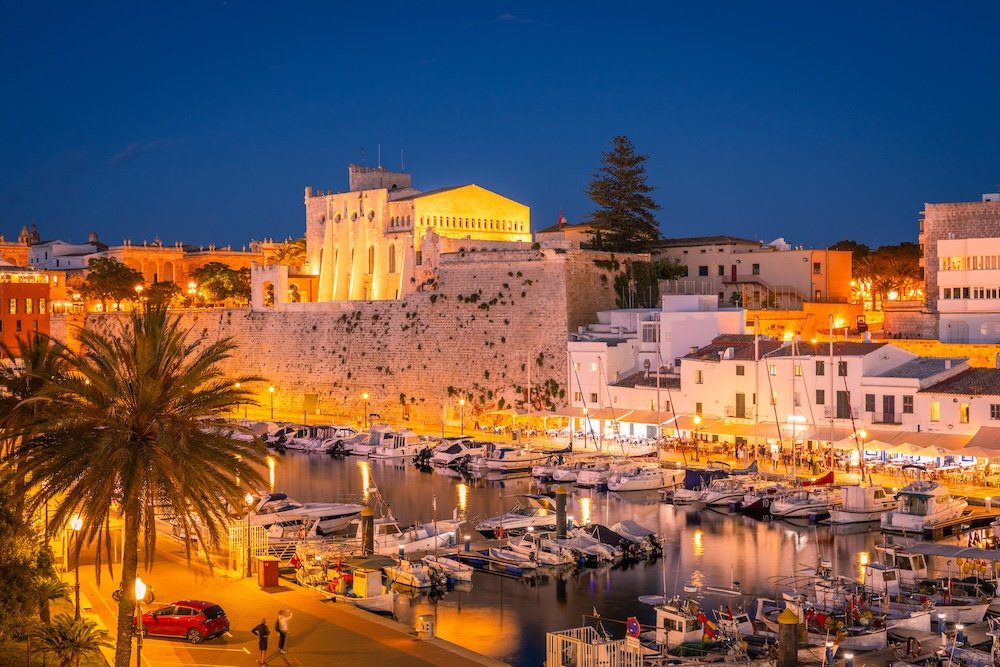
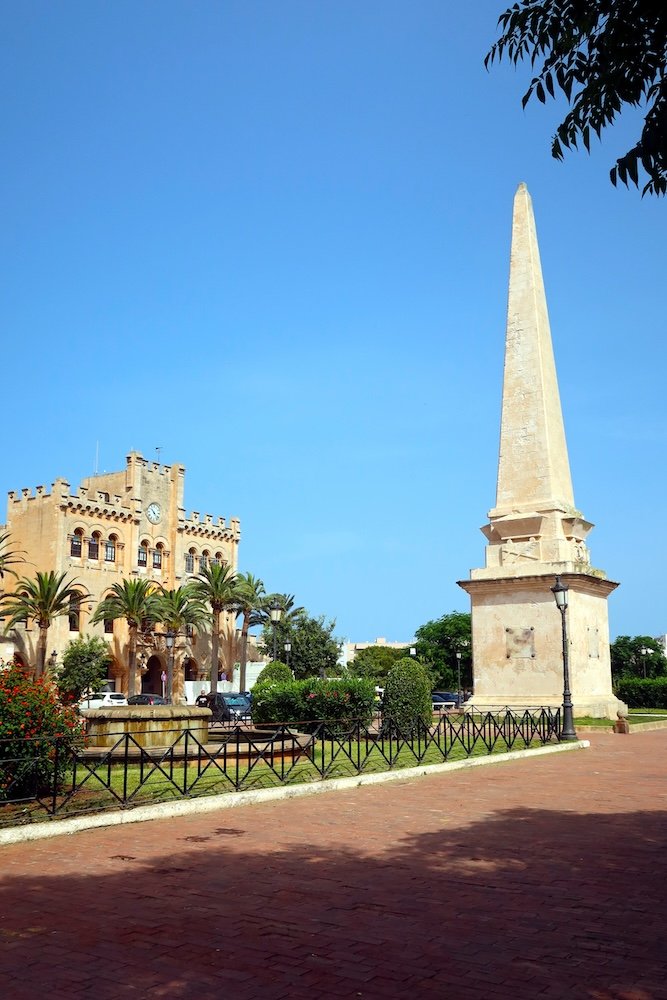
The horse rises straight up among the people, its black coat gleaming, and its front hooves sweep through the air above the hundred raised hands. In the Plaça des Born, the main square of the old part of Ciutadella. Historically, people reached out to touch the horse’s chest, as it is traditional to do so to secure a year of good luck. This is the jaleo, the climax of the Festes de Sant Joan which takes place on June 23 and 24, when over a hundred riders on the black horse breed native to Menorca go through the crowd to the sound of flutes and drums. At shoulder height, people pass around plastic cups of gin and lemonade. A few yards off stands a stone obelisk recalling the town’s worst week ever, though no one in the square appears to notice it.
Why Menorca
Menorca is the second-largest of the Balearic Islands, east of Barcelona, covering about 270 square miles and consisting of green pastureland, stone walls, and coves backed by pines; it sits northeast of Mallorca and has a very different atmosphere from Ibiza’s nightclubs. In 1993, UNESCO designated the entire island as a Biosphere Reserve, a status given to areas that achieve a balance between conservation and active communities, and this is evident since development is minimal; the number of dairy cows exceeds that of high-rise buildings, and approximately 134 miles of coastline stretch from the rust-coloured, wind-blown north to the white-sand coves in the south. The beaches are good enough to support a holiday by themselves, and the island’s history spans some three thousand years and has been preserved with little wear. Menorca is ideal for families with young children, couples, hikers, and anyone who wants to experience the Mediterranean without the noise of nightlife.
The Attractions Everyone Comes For
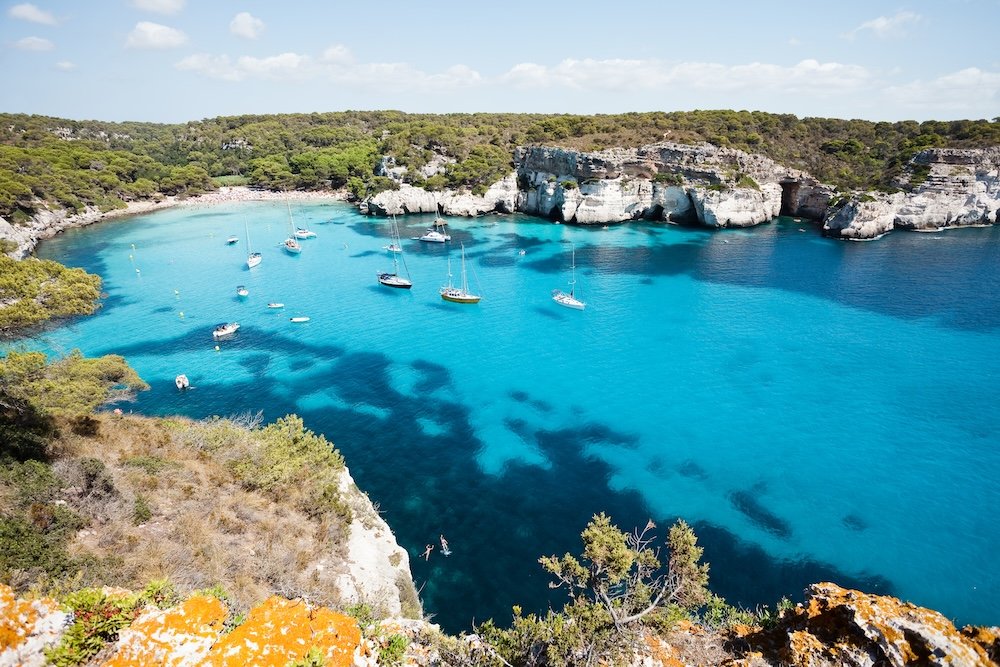
The southern coves. Cala Macarella is the cove on most postcards: a crescent of white sand between limestone cliffs up to about 100 feet high, with pines running nearly to the water, and a smaller twin, Cala Macarelleta. Its access road is closed to cars from June 1 through September 30, so summer visitors take a pre-booked shuttle bus from Ciutadella, about €9 (roughly $11) round trip, or walk half an hour along the coastal path from the resort of Cala Galdana. Cala Turqueta, a pleasant hike farther west, earns its name the moment the water appears; its free car park often fills by mid-morning in July and August. The beaches are free. Who will love it: boaters, swimmers, snorkelers and photographers who arrive early.
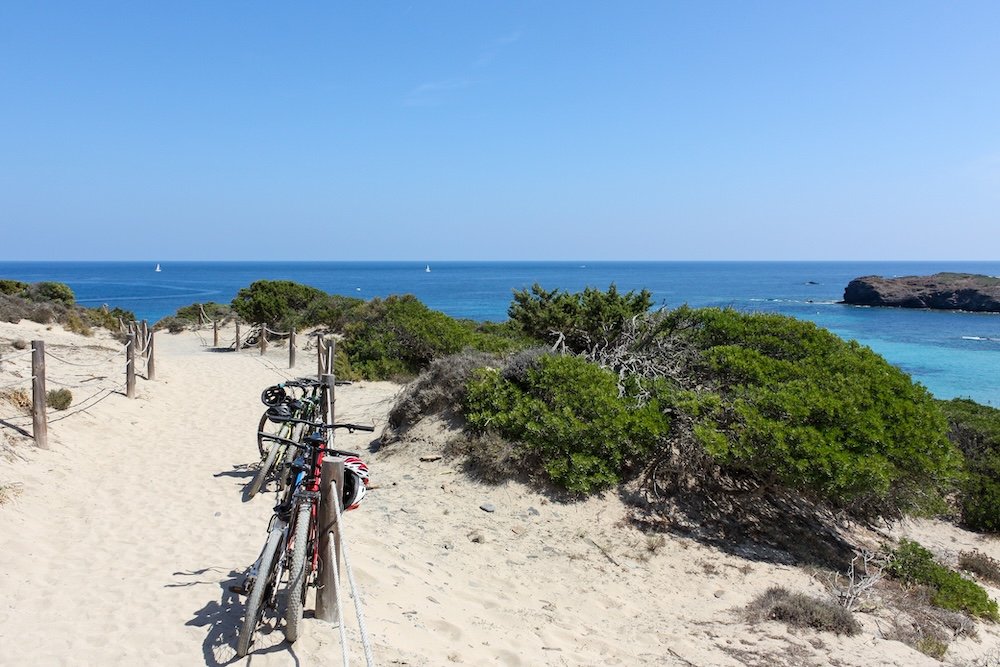
The Camí de Cavalls. The “Horse Path” is a 115-mile coastal trail that circles the island in 20 waymarked stages of roughly three to nine miles each and is clearly marked. It began in the fourteenth century, when a royal decree required mounted knights to patrol the shoreline to guard against raiders. However, in later years, sections of the path disappeared behind the walls of private estates until the 1990s, when locals carried out protest walks; the path was then reopened in 2010 as the long-distance trail GR 223. Although it never rises much above 400 feet, it still has a total ascent of about 13,000 feet. It’s free. Circumnavigating the entire island on foot takes about 10 to 14 days, though many travelers choose to hike specific day-trip sections. Walkers and horseback riders have official right-of-way priority over cyclists on narrow stretches. Mountain biking and e-biking are allowed, but the route is a demanding physical and technical challenge. The path includes rough dirt tracks, exposed rocky climbs, and sandy beach sections where cyclists must dismount and push their bikes. Motorized vehicles are prohibited.
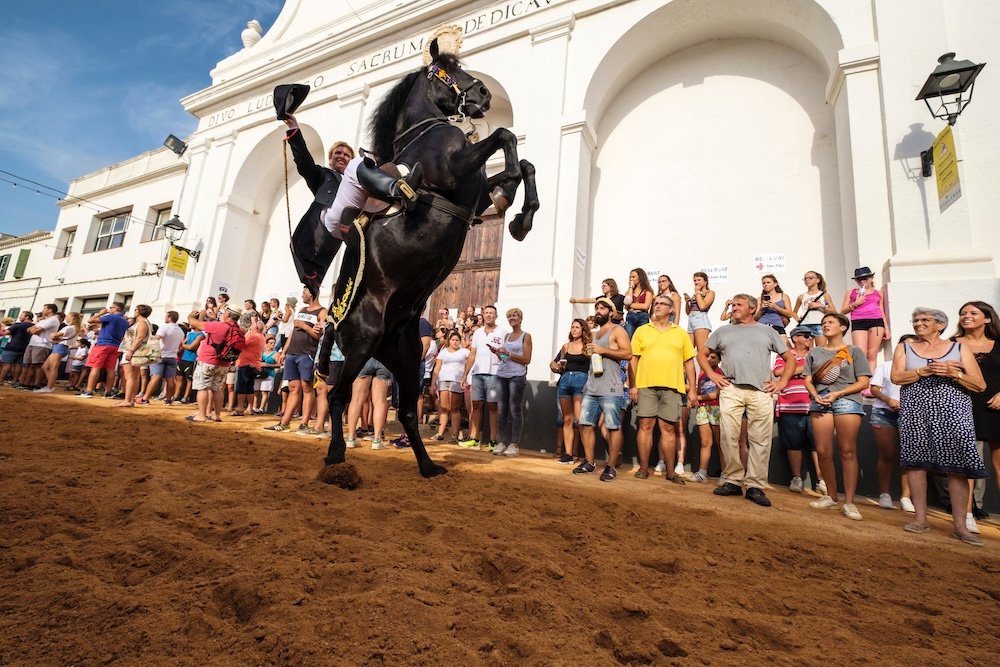
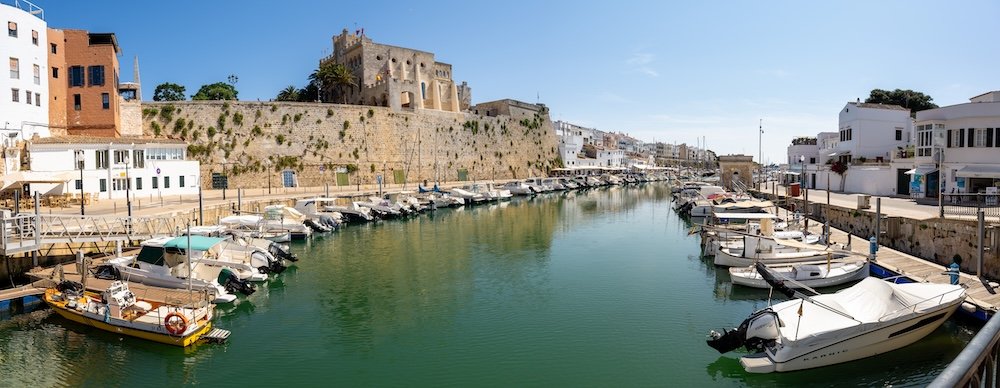
Mahón and its harbor. The capital of the island, Mahón (Maó in Catalan, the local language), is situated at the entrance to one of the longest natural harbors in the world, the harbor being approximately three miles in length and deep enough to cause navies to fight over it for centuries. You can see this clearly on a glass-floor harbor cruise from the quay. On the quay, Destilerías Xoriguer has been producing gin since the 1940s, when Miguel Pons Justo, a former worker at the distillery, revived an eighteenth-century recipe; the company still uses copper stills more than 250 years old, heating them with wood fires, and its shop by the harbor serves samples from April until October.
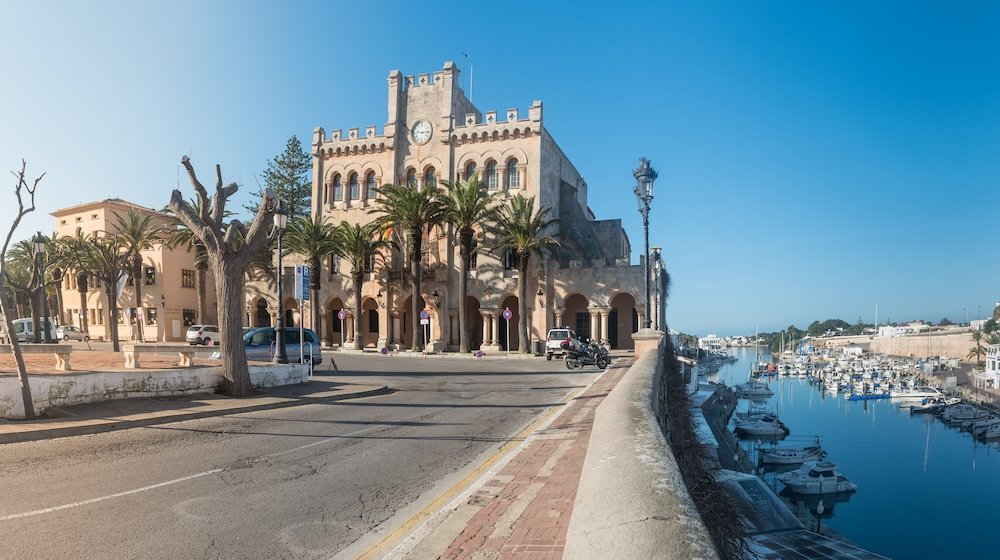
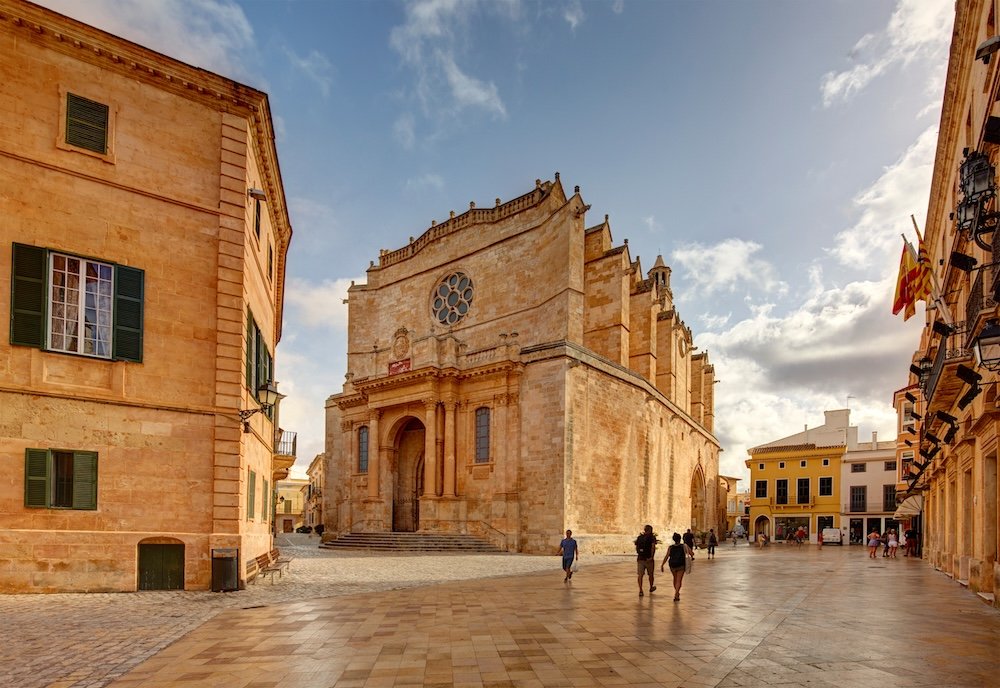
The old town of Ciutadella, situated at the western end of the island, is about 45 minutes by car from the coast; although it was the capital until the British transferred the government to Mahón, it has never fully come to terms with its lowered status. The Gothic cathedral there, begun in 1300 on the site of the island’s former mosque, forms part of a network of palaces and narrow streets, and Ses Voltes, a shaded shopping street with arcades, provides shade during midday.
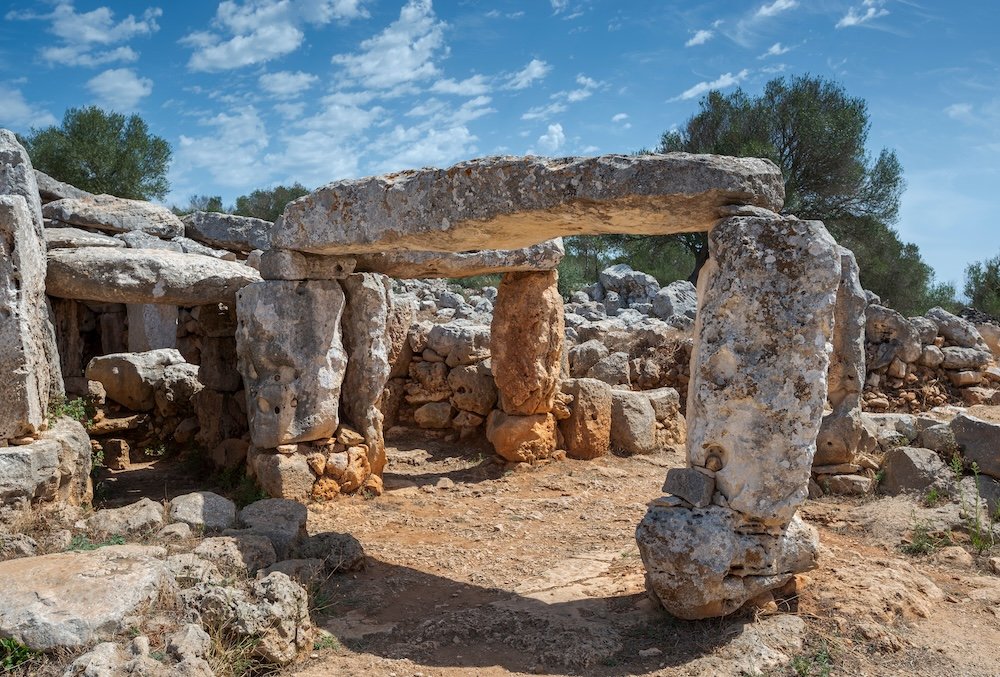
Talayotic Menorca. Between roughly 1600 BCE and the Roman conquest in 123 BCE, the island’s prehistoric people raised talayots (stone watchtowers), taulas (T-shaped monuments found nowhere else in the world), and navetas, collective tombs shaped like boats turned upside down. In 2023, UNESCO designated the sites as a World Heritage Site. The Naveta des Tudons close to Ciutadella contains over 100 burials and has maintained its form for approximately 3,000 years. Admission costs €2 (around $2) and is free on Mondays and throughout the winter. The taula at Torralba d’en Salort, near Alaior, is one of the best examples and costs €4 (about $5).
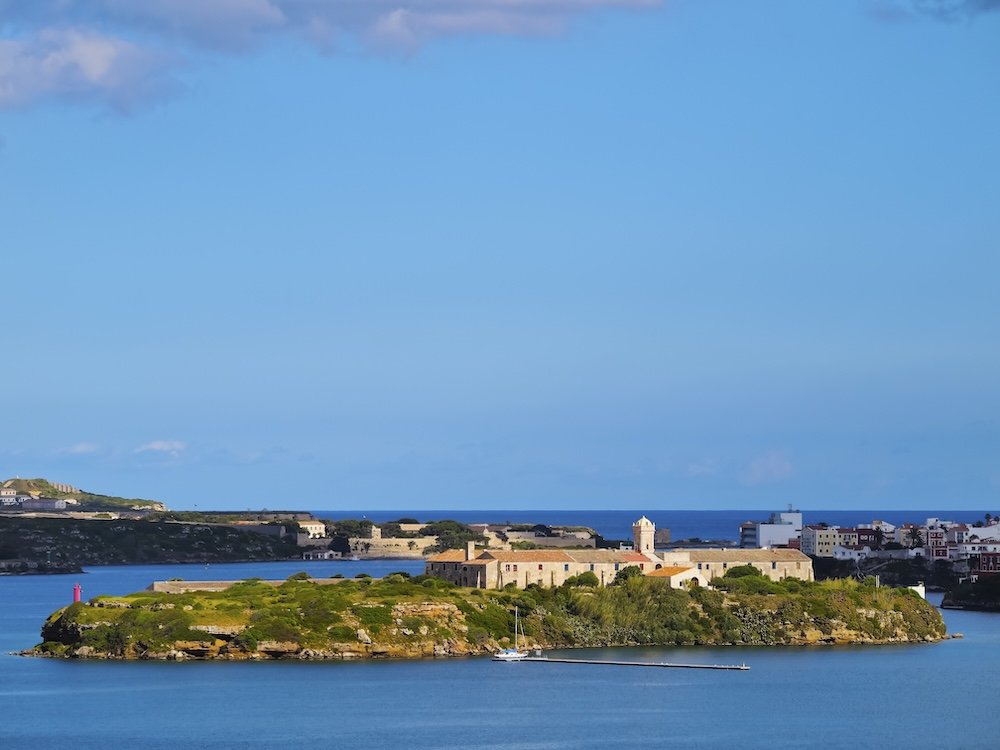
Illa del Rei. This small island in Mahón’s harbor once held a British naval hospital. Since 2021, its restored eighteenth-century buildings have housed Hauser & Wirth Menorca, an outpost of the international contemporary art gallery. The shuttle boat trip takes 15 minutes and costs around €10 (about $12) each way; the art center is open seasonally, roughly from late April to late October.
Markets, Harbors and Where to Eat
The best food in Mahón begins at the Claustre del Carme, an 18th-century Carmelite cloister converted into a food market, and at the adjacent fish market, Mercat des Peix, dating to the 1920s, where the stands now offer tapas and local wine. In Ciutadella, the seafood restaurant Cafè Balear, open for over 50 years, sends out its own fishing boat and is famous for lobster served with fried eggs and potatoes. On the north coast, the fishing village of Fornells is known for caldereta de llagosta, a rich lobster stew, and Es Cranc is the traditional place to order it during spring and summer. Bring a good appetite and a healthy budget.
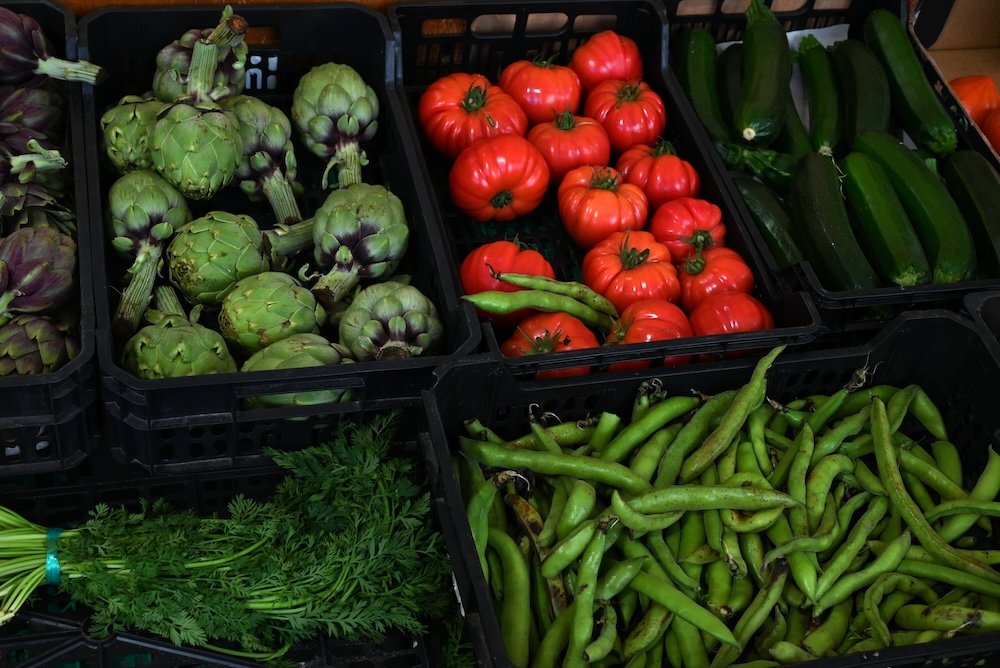
Mahón-Menorca cheese, whose origin has been protected since 1985, is square and has a rind rubbed with olive oil and paprika. Pomada, which is a gin from the island mixed with lemonade, is the drink preferred on the island. Mayonnaise might also be included on the list since it is said that the cook of the Duc de Richelieu, the French commander who took Mahón in 1756, invented an egg-and-oil sauce and named it after the town. However, food historians dispute almost every aspect of that story, and the people of Menorca are happy to let the argument continue so long as the sauce is still served.
An Island Conquered by a King With a Long Memory
The Carthaginians, Romans, Vandals and Byzantines all passed through, and the Muslim rulers administered the region for nearly four centuries. The last of them, Abû ‘Umar ibn Sa’îd, made a fatal enemy during his first year as ruler. In 1282, King Peter III of Aragon stopped at Menorca on his way to a secretly planned takeover of Constantine in North Africa, and Abû ‘Umar sent advance notice, which ruined the element of surprise. Alfonso III, Peter’s son and successor, never forgave him. He landed in January 1287, won the decisive battle on the 17th, and accepted Abû ‘Umar’s surrender four days afterward. The defeated ruler was permitted to go to Africa with his family, fifty swords, his father’s ashes, and his library. As Ramon Muntaner, the Catalan soldier and chronicler of the time, stated, the ship was lost in a storm with no survivors, and all the books on board were lost as well. January 17 is still the island’s national day.
The coast remained dangerous. In July 1558, an Ottoman fleet commanded by Piyale Pasha, the sultan’s grand admiral, and Turgut Reis, a privateer who had become a commander, besieged Ciutadella, held by about forty soldiers. Eight days afterward, the town was captured, and more than three thousand survivors were taken to the slave markets of Constantinople. The obelisk in Plaça del Born preserves this memory.
The British were there in 1708, and Richard Kane, an officer born in Ireland who administered the island for over twenty years, built the first proper road across it, moved the capital to Mahón, and introduced dairy cattle whose offspring still produce the cheese today. After further changes of flag, the Treaty of Amiens returned Menorca to Spain in 1802, leaving sash windows, a liking for gin, and a few English words in Menorcan Catalan.
The Admiral Who Didn’t Do His Utmost
In 1756, French troops commanded by Richelieu laid a siege to the British garrison at Fort St. Philip, the fort which protected the entrance to Mahón’s harbor. Admiral John Byng, a senior officer and the son of a famous admiral, was sent to relieve the garrison. He fought a battle that ended in a draw on May 20 before sailing back to Gibraltar to ready his ship, after which the fort surrendered. A court-martial concluded that he had not done his utmost, and on March 14, 1757, he was executed by Royal Marines on the deck of HMS Monarch. Voltaire, the French satirist, recorded this event in Candide, remarking that it is necessary to kill an admiral now and then to encourage the rest. The fort’s ruins are still visible at Es Castell, just outside Mahón.
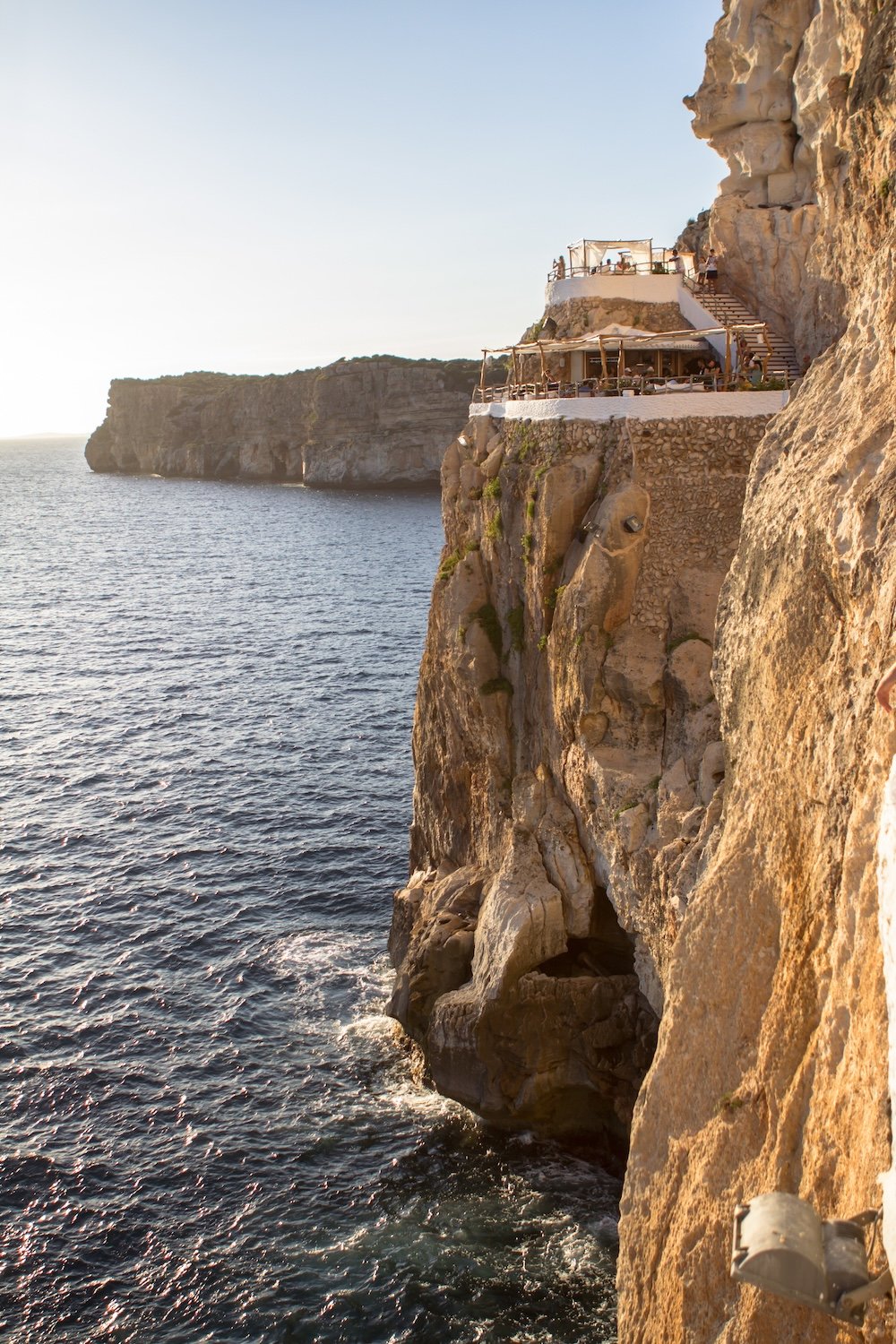
The most unusual bar in the Balearics is situated close to the southern coastal resort of Cala en Porter. Cova d’en Xoroi extends a series of terraces and lounges through natural caves high above the sea, and it is associated with a legend. Legend says a castaway named Xoroi lived in the cave, raiding nearby farms, until a young woman about to get married disappeared. Some years later, a rare winter snowfall revealed footprints leading down the cliff, and the men who followed the tracks found Xoroi, the missing woman, and their three children. When surrounded, Xoroi jumped into the sea. The bar opens every spring and offers drinks only; daytime entry is about €10 (approximately $12) or less, and sunset sessions include live music and a first drink. It will appeal to sunset watchers, legend collectors, and couples.
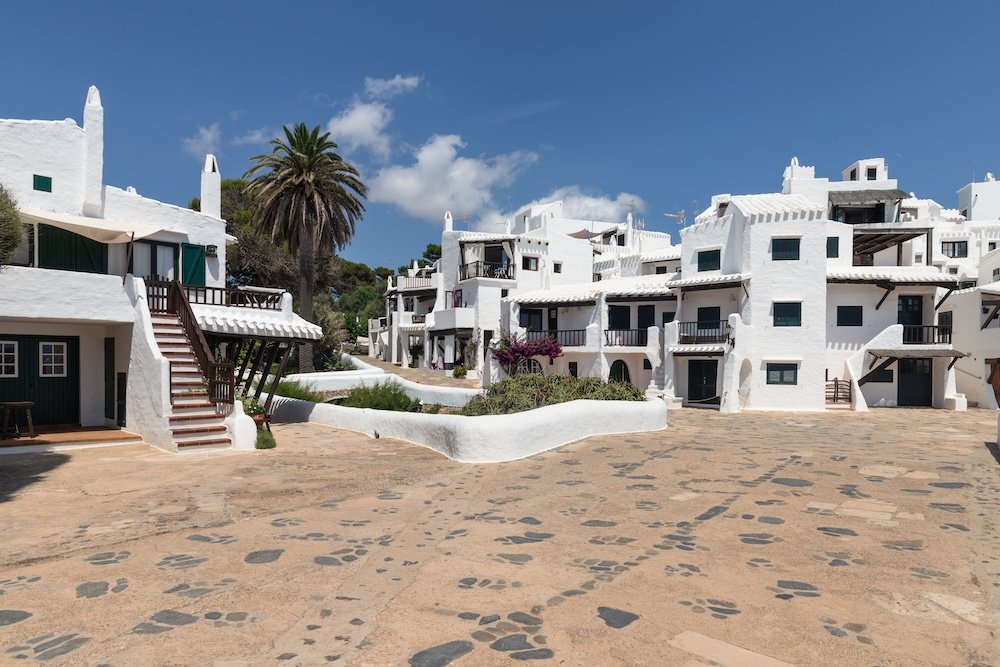
Binibeca Vell, about 15 minutes from Mahón, looks like an old whitewashed fishing village, but it is not. In the 1960s and 1970s, Antoni Sintes, a Menorcan surveyor and designer, planned the 165 houses and the complicated system of lanes as a holiday resort. Residents still live in the area, and courteous signs ask visitors to keep their voices down. The place will appeal to photographers and anyone who enjoys a well-constructed illusion.
Precautions Worth Taking
Americans must have a passport valid for at least three months past their intended departure date from the Schengen area of Europe and may stay up to 90 days without a visa. The EU’s Entry/Exit System, which takes fingerprints and a photograph at the border, is now fully operational, so allow extra time when arriving. An independent online authorization known as ETIAS, which costs €20, is expected to be introduced in late 2026; therefore, check the official EU website before making a booking. Hotels also charge the Balearic sustainable tourism tax, which is about €1 to €4 per adult per night in summer and lower in winter.
Camping is not allowed on the beaches or on the Camí de Cavalls, and boats should not anchor on posidonia, the protected seagrass responsible for the clear water. At Macarella and at the Favàritx lighthouse, the summer car ban is observed. On the trail, bring water and sun protection, as there is little shade and no shops. The north coast is fully affected by the tramontana, a cold north wind that can blow for several days, so watch the red warnings and choose the more sheltered southern coves when the wind is blowing. In late winter and spring, keep both children and dogs away from pine processionary caterpillars, as they can cause painful rashes and may be dangerous for dogs.
When to Go
High season runs June through August, with highs in the low to mid 80s Fahrenheit, little rain, and the sea near 79°F by August, along with the fullest coves, the car restrictions, and Sant Joan crowds. The shoulder months of April, May, September, and October suit most travelers best: spring brings green countryside and highs from the mid-60s to the low 70s, while September still feels like summer and early October holds highs around 73°F with warm water. From November through March, highs sit in the high 50s to low 60s, the tramontana is at its most insistent, and many hotels and beach services close, but prices fall, and the towns feel entirely local.