


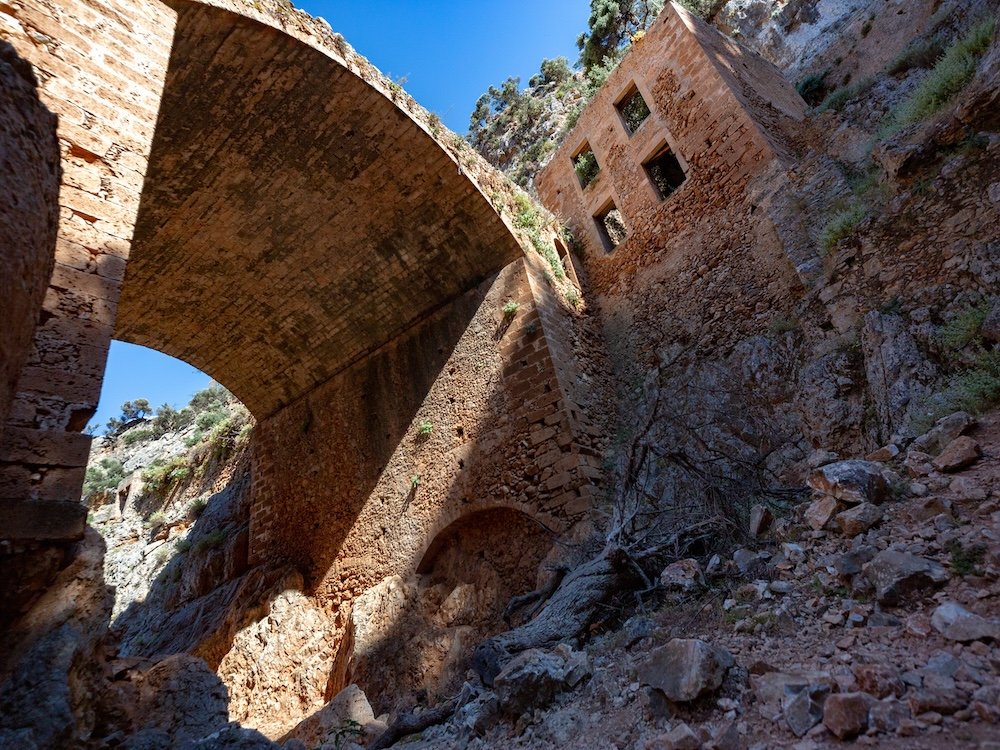
The ?sign at Gouverneto Monastery described a walk of about thirty-five minutes down into a gorge. Almost casually, it informed me that the monastery we were looking for had been abandoned for roughly four hundred years. The walk descended a series of cut stone steps, switchbacking down a cliff on the Akrotiri peninsula. At the bottom is Katholiko: a roofless church, an arched bridge with crumbling columns spanning a dry streambed, and a cave that housed a hermit named John, who spent his life in solitude. The monastery erected around him was eventually abandoned because pirates made the coast too dangerous to risk. The monks packed up and moved a mile inland to Gouverneto sometime in the 1600s and never returned. Everything that remains down there sits quietly, not to be interrupted, including a rock at the bottom of the gorge that unmistakably resembles a ship, the result of an abbot’s curse, according to local legend. You quickly learn Crete has many legends.
Crete is Greece’s largest island and the fifth largest in the Mediterranean. Its population is just over 600,000 spread across four cities and many small villages. Crete has three main mountain ranges: the White Mountains (Lefka Ori) in the west, the Ida Mountains (Psiloritis) in the center, and the Dikti Mountains in the east. The mountain ranges run almost its entire length, with thirty-plus summits over 6,300 feet. However, ask someone who’s never been what they expect to see, and they’ll probably name a beach, which isn’t untrue. Crete has beaches. It also has a gorge deep enough to qualify for UNESCO biosphere status, and two caves each claiming to be the birthplace of Zeus. Calling Crete an island doesn’t do it justice; it is more like a country surrounded by water.
Crete is a land of mythology. Start with the myths, because Crete never stops reminding you to. South of Heraklion lies Knossos, where a Bronze Age palace thought to have been built around 1700 BC sits atop a settlement that predates 7000 BC. “Europe’s oldest city” is more than a marketing slogan, and Knossos served as the grand center of the Minoan civilization.
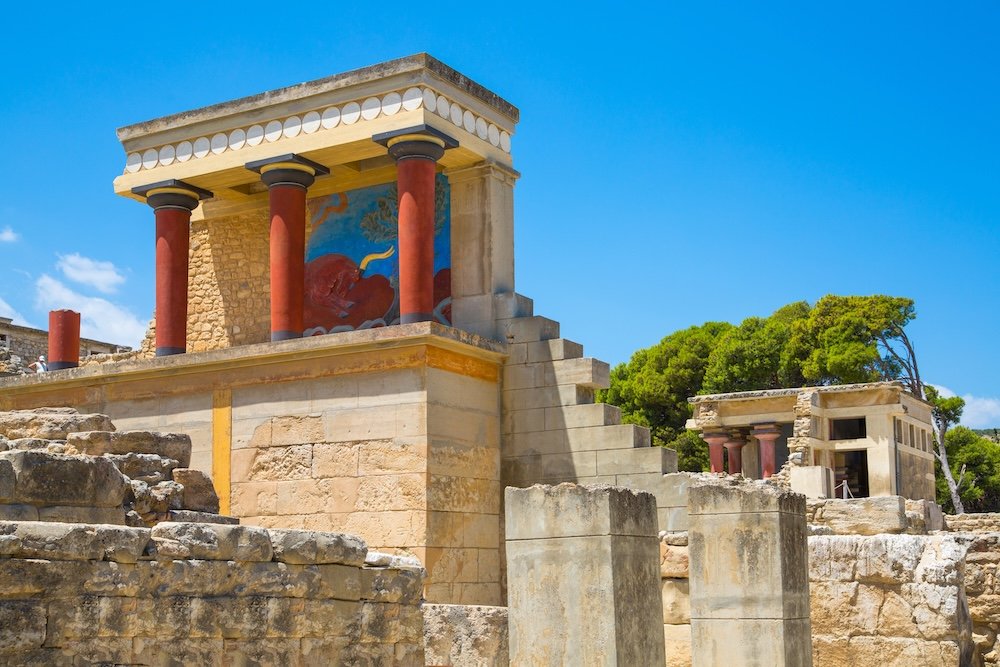
The famous Palace of Knossos featured over 1,300 rooms, multi-story architecture, and even an early plumbing system. This was the throne of King Minos, at least according to the myth, and home to the Minotaur, half man, half bull, imprisoned within a labyrinth so intricate that its architect, Daedalus, could barely find his way out of the maze. Theseus solved it with a ball of thread that Minos’s daughter, Ariadne, gave him.
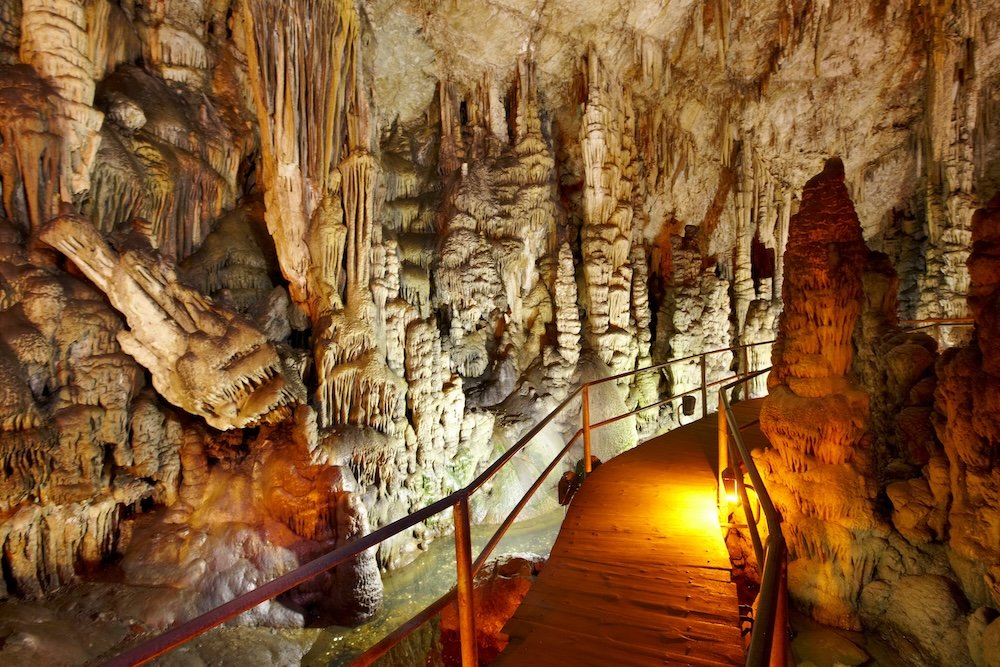
Then there is the myth of Zeus, who grew up in a cave to keep him safe from his father, who had the unfortunate habit of consuming his children. The problem is that Crete has two caves vying to be the birthplace of the king of the gods, when the Dikteon Cave on the Lasithi Plateau was discovered and subsequently studied by the same Arthur Evans who unearthed Knossos. It’s a limestone cave dotted with stalactites, reached by a slow climb up the hill and then about two hundred stairs down into the dark. The Idaean Cave, perched higher up Mount Ida, makes the same claim with the same conviction. So two mountains and two caves each claim to have nurtured a god. Ask which one is correct, and you’ll generally get a smile and a shrug, implying the question itself misses the point.
Heraklion’s old town walls stretched more than 3.5 miles, with seven bastions sturdy enough to protect against an Ottoman attempt to take the city in a twenty-one-year siege from 1648 to 1669 that, at the time of its conclusion, was the longest in recorded history, costing an estimated 100,000 Ottoman soldiers their lives against approximately 30,000 Venetian and Cretan defenders.
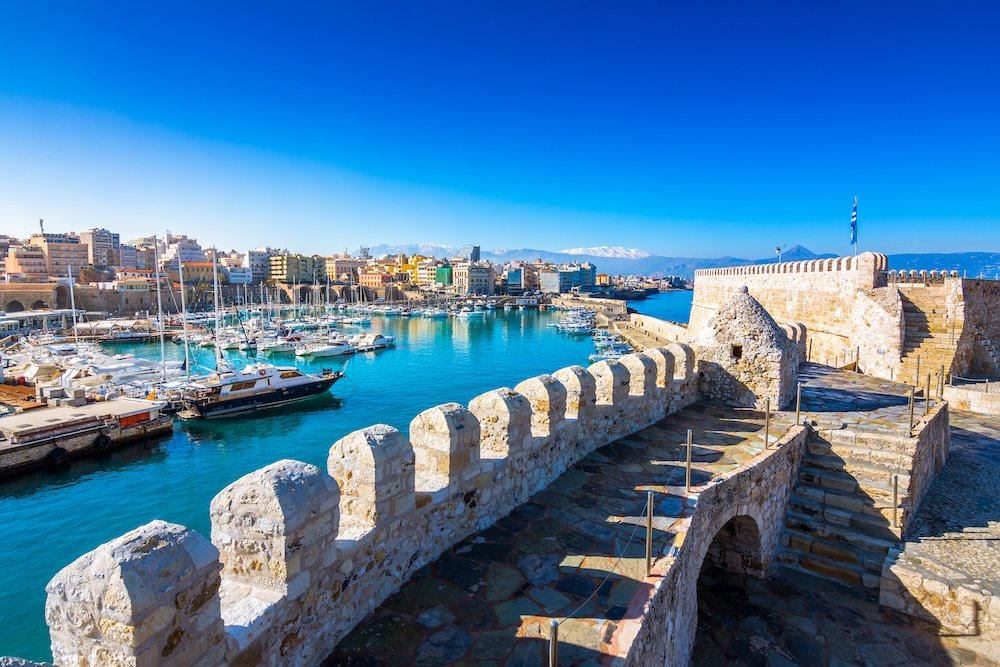
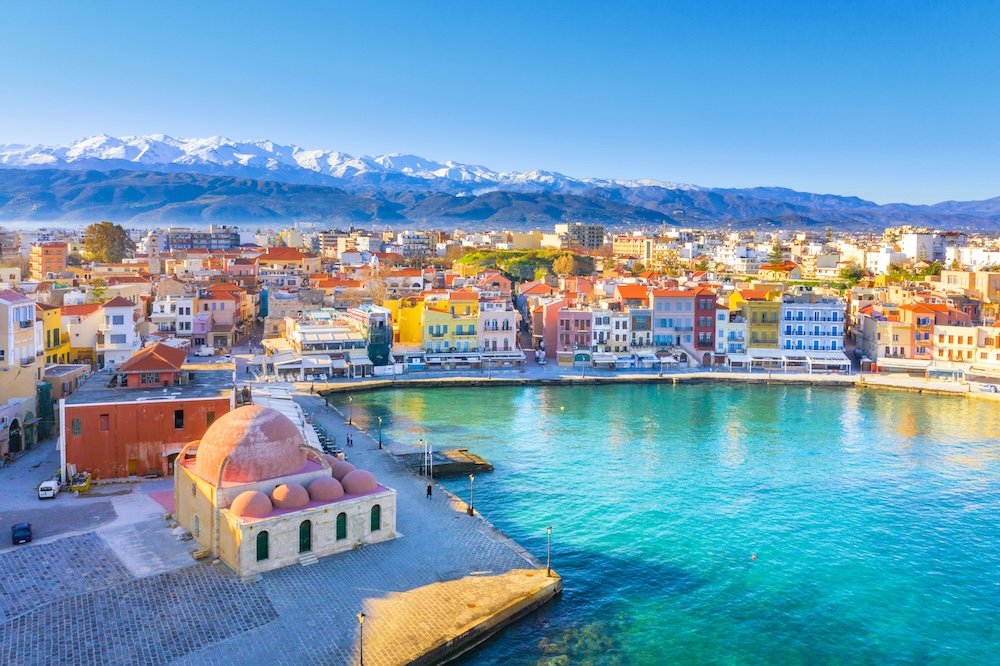
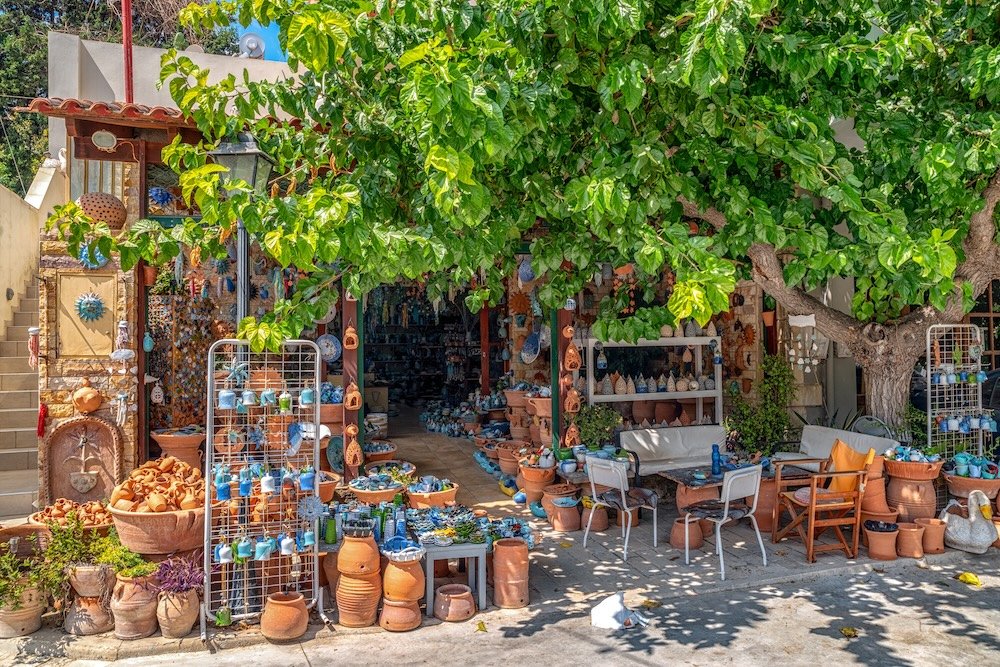
The best way to see Crete is to take roads into the Cretan interior. Margarites, high in the hills north of Rethymno, is a pottery village with classes where you can take turns with the wheel. Crete’s harvest runs roughly from November to January, and several family farms will lend a visitor a rake and a tarp and let them work an actual crop for an afternoon, which is an unusual and satisfying way to learn about a place, through what it grows rather than what it builds. The cities of Chania and Rethymno share the same foundation of Byzantine underpinnings, Venetian harbors and mansions, and Ottoman minarets and fountains.
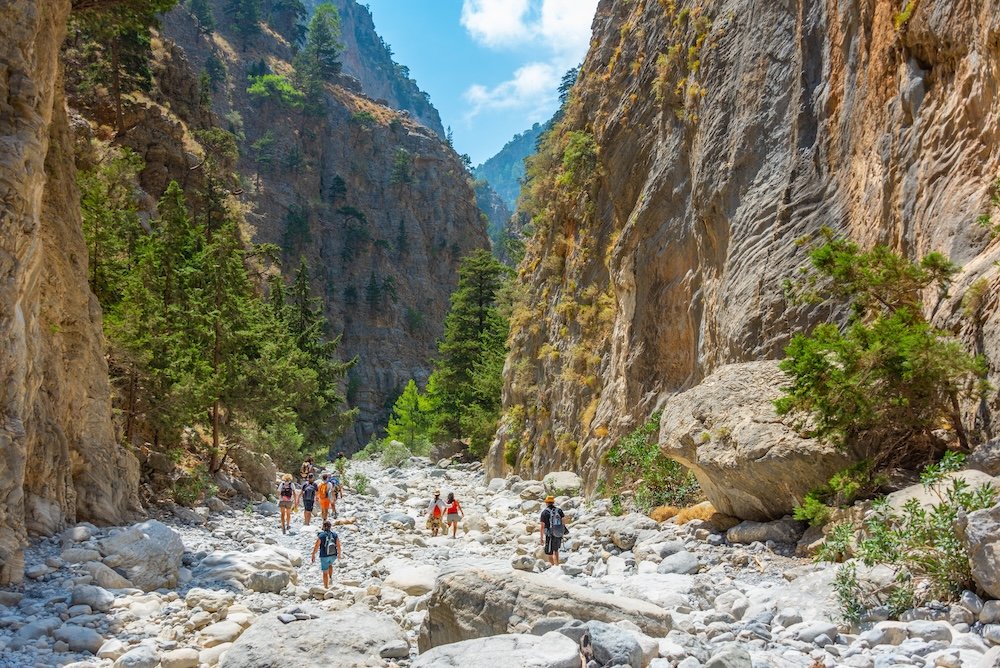
Crete offers adventure tourism ranging from sedate to genuinely challenging. The Imbros Gorge served as an escape route for several thousand British soldiers during the Second World War when Crete fell. There was nowhere left to go but a footpath through solid rock. If hiking the better-known Samaria Gorge is on your list, remember it typically operates only from May through October. Its opening date shifts year to year depending on winter damage and trail conditions. Hiking requires good shoes to handle the uneven ground.
Most shops open around 9 AM, then shut for a long midday break starting around 1:30 or 2, and only reopen in the evening on Tuesdays, Thursdays, and Fridays. Plan your shopping runs for morning or early evening, and you’ll save yourself a lot of window shopping through locked doors. Dinner in Crete doesn’t really get going until after 9 PM, so plan accordingly.
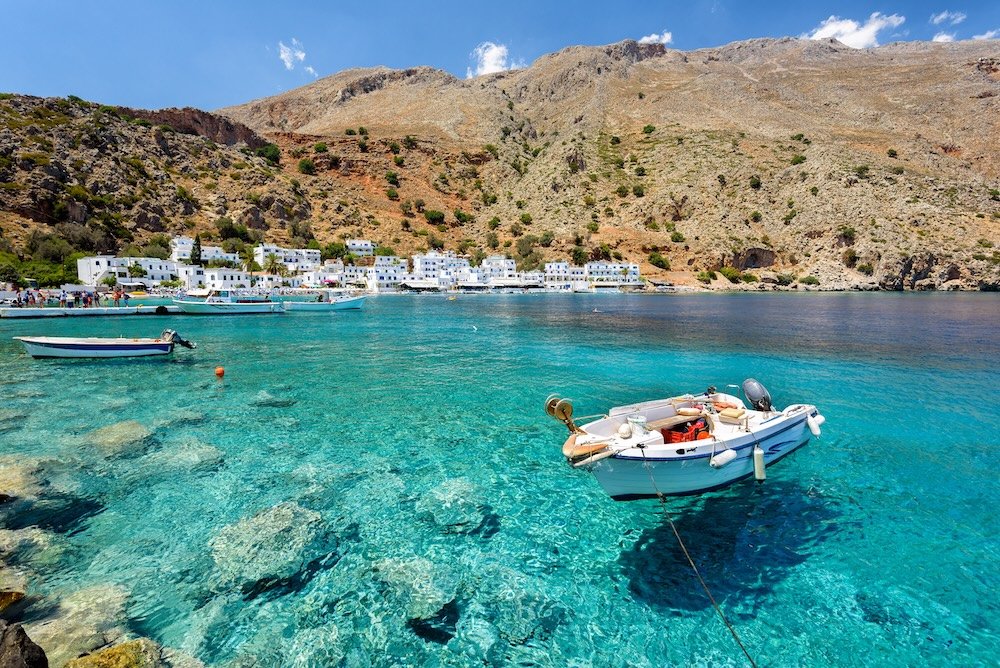
Remember that not every scenic village has a road leading to it. For example, Loutro, on the southern coast, has no road access at all. You can reach it only by boat or on foot, which is exactly what keeps it so quiet. It’s worth the extra effort, but pack accordingly since you won’t be driving out if you change your mind.
The shoulder months are a popular time to visit. From late April to June or September to early October, when it’s not quite so hot, the crowds thin, and the water is still warm. Winter means rain and quiet. Crete earned its reputation the slow way: a few thousand years of empires coming in, building something impressive, and then vanishing, leaving it for someone else to explain to visitors. What remains isn’t so much a destination as an archive of them stacked one on top of the other, daring you actually to go looking.