


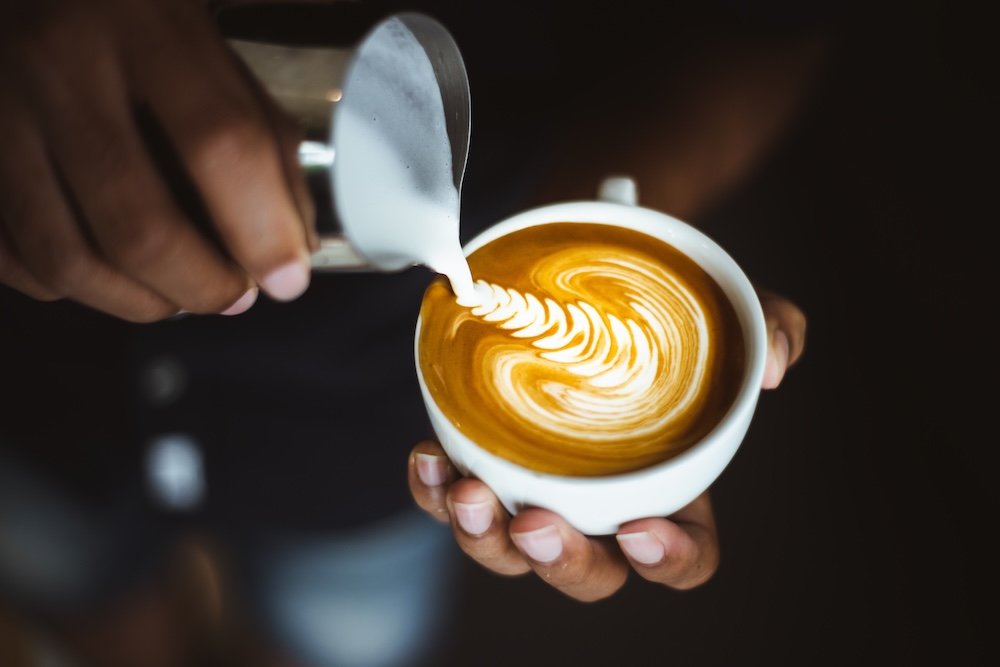
Coffee rituals may appear odd from the outside—such as a Finn putting cheese into his mug, a Turkish bride placing salt into her suitor’s cup, or a Hanoi barman beating egg yolks into coffee because the milk ran out. Each person is doing the most natural thing in the world, yet each would find at least two of the others a bit alarming. Coffee beans are the same everywhere, but there are many ways to enjoy them.
Finland: The Country That Schedules Its Coffee
Finland is usually credited with the highest per capita coffee consumption in the world, around 26 pounds of beans per person each year. Some recent datasets have tried to take this ranking from Luxembourg or the Netherlands due to cross-border commuters. The Finns won’t dispute this since they are too busy drinking their coffee. The coffee’s strength is less than the statistics suggest: it is light-roasted, a bit bright, and made using a pot. This may explain why drinking three to five cups a day doesn’t seem like much.

Collective labor agreements often include the kahvitauko, the coffee break, as part of the workday, providing one break in the morning and another in the afternoon. In the north, coffee is sometimes served with cubes of leipäjuusto at the bottom. This mild “bread cheese” squeaks against the teeth and absorbs the coffee without melting. Swedish speakers call it kaffeost, coffee cheese.
Turkey: Forty Years of Friendship, One Small Cup at a Time
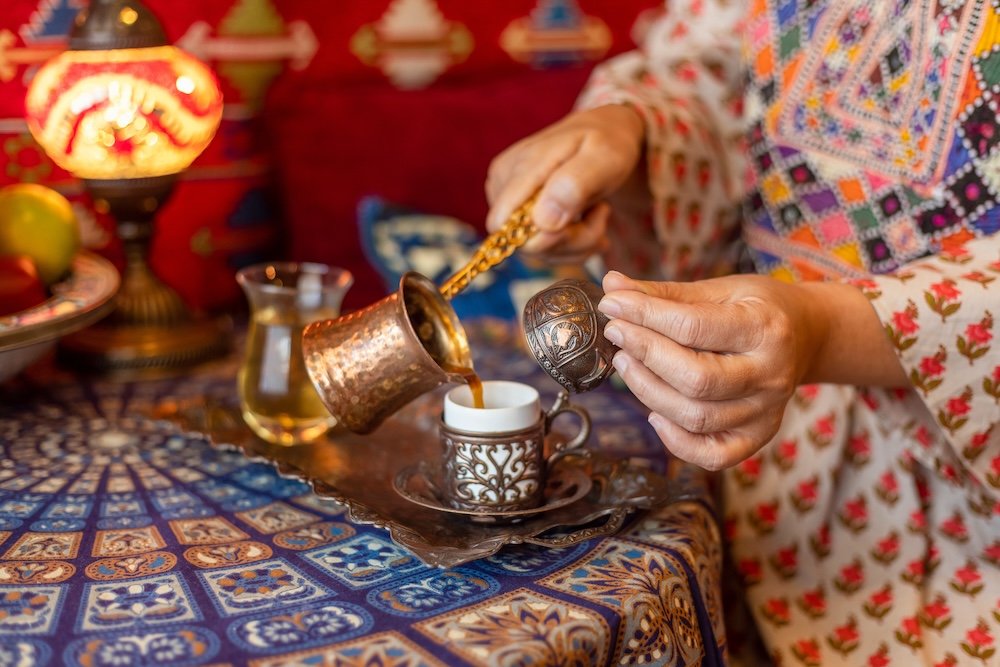
Turkish coffee is really a collection of customs rather than a drink; finely ground coffee, cold water, and sugar are placed in a cezve, a small pot with a long handle, and heated slowly until foam forms; a cup without foam is regarded as unacceptable. In 2013, UNESCO added the Turkish coffee tradition to its list of intangible cultural heritage, and a well-known saying goes that one cup is remembered for forty years. The best-known custom is called kız isteme, when a man’s family goes to ask for the bride’s hand. The bride prepares the coffee, and in the past, placing salt in the cup was a straightforward way to refuse. Today, some brides intentionally put salt into the cup given to the groom to observe how gracefully he drinks it.
The history doesn’t have a cozy aspect to it; in the 1630s, Sultan Murad IV regarded Istanbul’s coffeehouses as centers of seditious activity and closed them down; according to various accounts, both from contemporary chronicles and later additions, he used to walk around the city while disguised to deal with those who violated the rules. The coffeehouses outlived him.
Italy: Standing Up, Paying Less, and Knowing the Rules
Coffee reached Europe mainly through Venice’s trade with the ports of the Ottoman Empire, and Venice has always treated it with great grandeur. The Caffè Florian opened on December 29, 1720, in the arcades of Piazza San Marco under the name ‘Alla Venezia Trionfante’ and gained a good reputation partly because it allowed women to enter, a feature that apparently made it a favorite with Casanova. Goldoni, Goethe, Byron and Dickens were among those who later became patrons. The price of a cup of coffee at a table there, with the orchestra playing, is the same as a small dinner elsewhere, and nobody who has been there afterward regrets it.
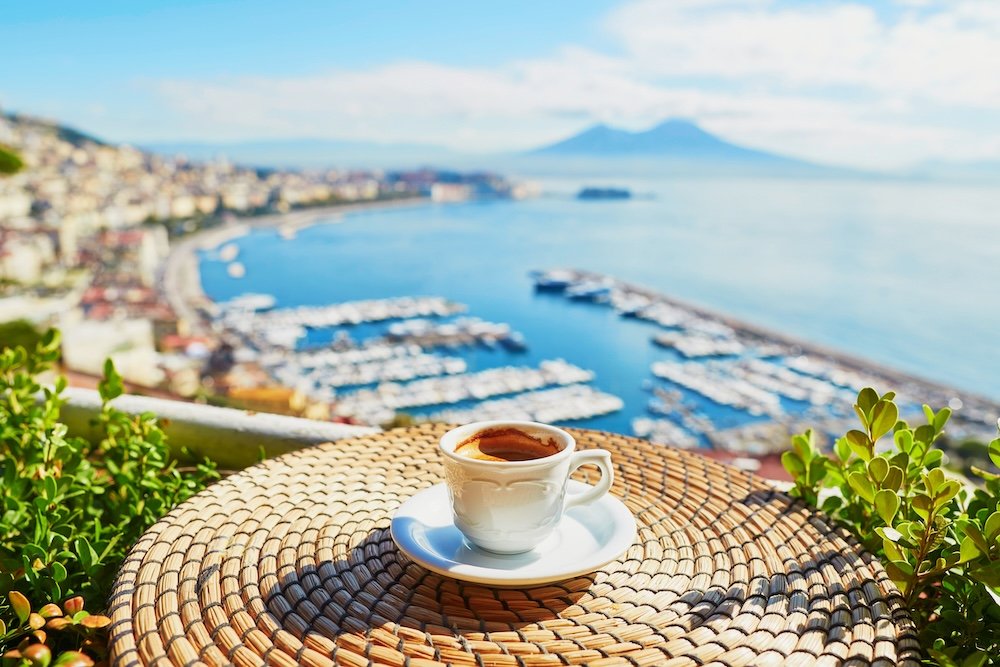
The espresso machine at the counter is part of Italian heritage. It began with Angelo Moriondo’s steam brewer in 1884, which he patented in Turin. It later evolved into lever machines that produced the crema and gave espresso its distinctive quality after World War II. There are genuine, though lightly enforced, unspoken rules: a milky cappuccino is meant to be a morning drink. If you order one after a heavy lunch, you will get a look of patient concern. Naples has the most beautiful custom of all: caffè sospeso, a “suspended coffee” paid for in advance by someone who has had a good day and later claimed free by anyone who asks if a coffee is waiting.
Saudi Arabia: The Cup That Is Never Full
Saudi qahwa, although usually pronounced gahwa, differs greatly from the impression most visitors form. The beans are roasted only lightly for the drink, so it has a pale greenish-gold color; it is flavored with cardamom and may also contain saffron or cloves, and is served without sugar with dates. The beverage is poured from a dallah, a pot with a long spout that has become a national symbol, into a finjan which is only about one-third full, thereby indicating that the host intends to refill it.
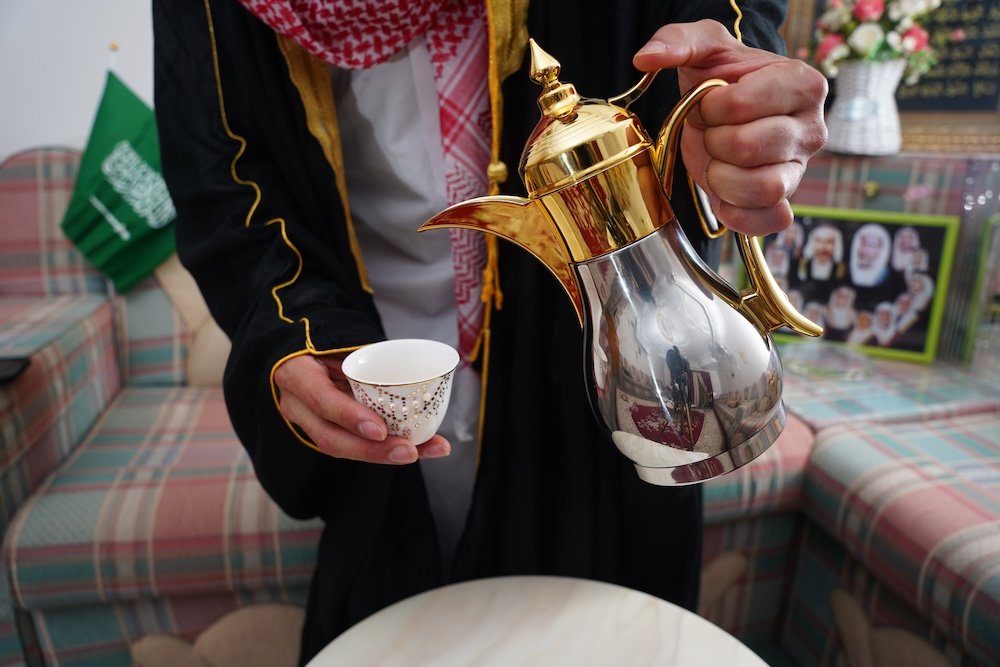
Hold the coffee in your right hand and drink at least the first cup. Once you have had enough, give the empty finjan a gentle side-to-side shake. If you fail to make that small motion, your host will keep pouring cheerfully and without limit. In traditional settings, the host or youngest family member pours, stays on his feet, and serves the most senior guest first. Arabic coffee was included on UNESCO’s list of intangible cultural heritage in 2015. The Saudi government declared 2022 the Year of Saudi Coffee. In the same year, UNESCO recognized the cultivation of Khawlani coffee in the mountains of Jazan, where the kingdom grows its own beans. It is rare for a country to serve its national drink, grow the beans a few hundred miles away, and give you rules on how to hold the cup.
Vietnam: What Happens When You Run Out of Milk
The French brought coffee to Vietnam in 1857. The country then became the world’s second-largest coffee exporter and the largest producer of robusta, a strong, bitter, highly caffeinated bean. The coffee passes slowly through a phin, a small metal filter, and then onto sweetened condensed milk, a product used since fresh milk would have spoiled in the heat. When poured over ice, it becomes cà phê sữa đá, the drink that energizes the plastic chairs along every sidewalk.
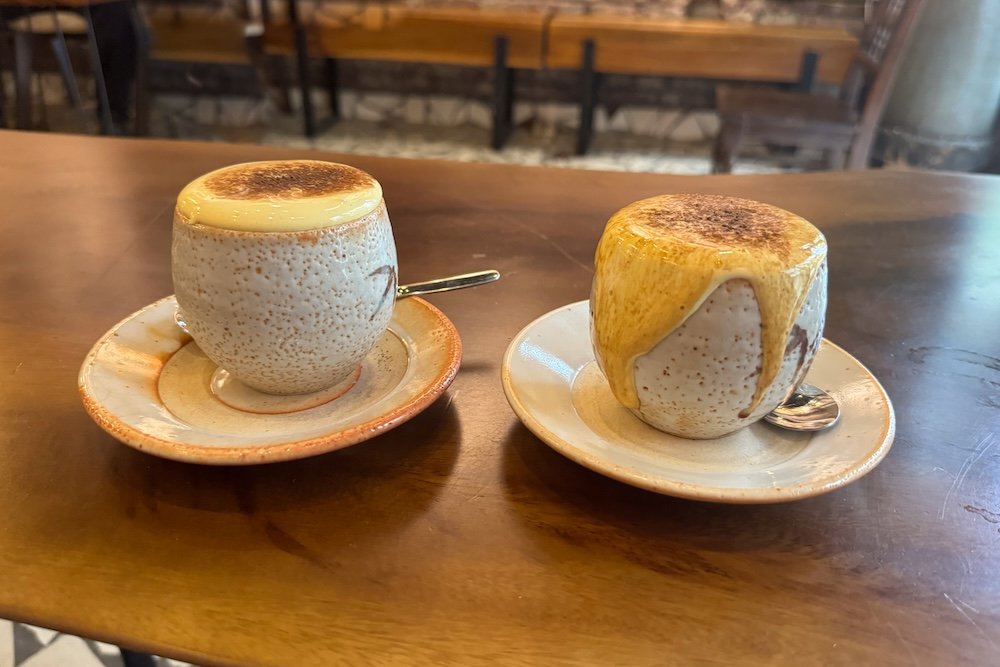
Scarcity has been a rich source of inspiration. In 1946, Nguyễn Văn Giảng, a bartender at the Metropole hotel in Hanoi, found himself without fresh milk. He mixed egg yolks with sugar and condensed milk to create a custard-like foam. As egg coffee became popular, he opened his own café, which his family still runs at the end of a narrow alley at 39 Nguyễn Hữu Huân. The drink has a tiramisu-like flavor. In Huế, a café that opened in 2010 began topping its coffee with salted cream. As a result, cà phê muối has become popular nationwide.
India: Seven Beans in a Beard
The most commonly accepted account is that the Sufi saint Baba Budan, returning from Mecca through the Yemeni port of Mocha, found that Yemen permitted the export of coffee only after it had been roasted, which meant nobody else could grow it. He therefore hid seven green coffee beans in his beard and planted them in the hills situated above Chikmagalur in Karnataka. These hills are now called Baba Budangiri, lying about 150 miles from Bengaluru, and coffee estates still fill their slopes.
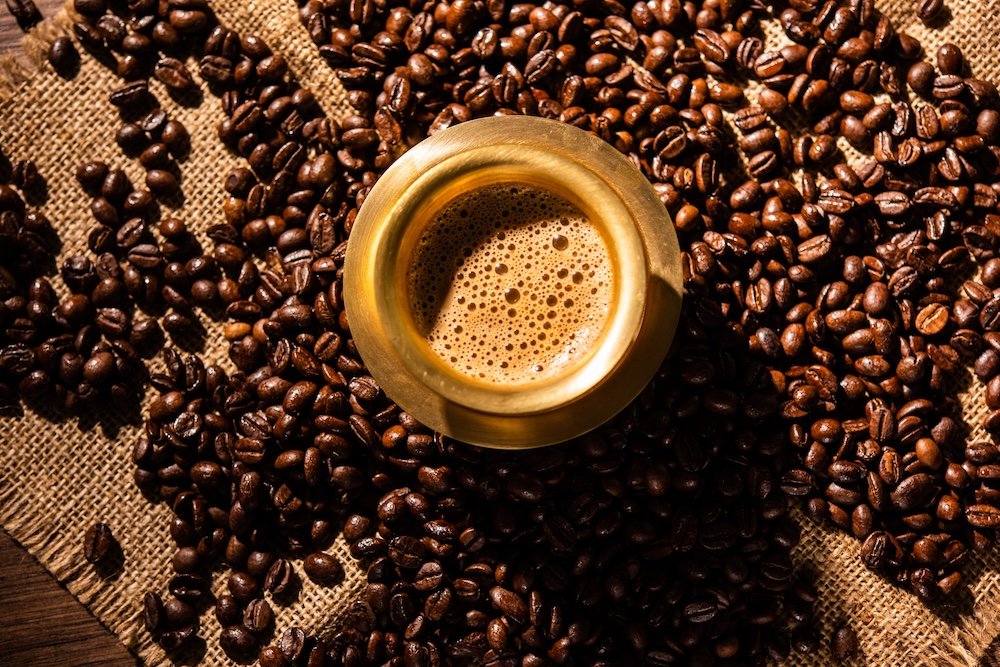
Filter kaapi is a daily drink made with dark coffee, usually mixed with chicory, dripped into a strong decoction, then combined with hot milk and sugar. The dramatic effect comes last, when the coffee is poured back and forth between a steel tumbler and a wide bowl called a dabarah. The pour is stretched as far as the person pouring can reach, which is why it is nicknamed “meter coffee.” When the workers took over the Coffee Board cafés after it closed in the 1950s in Thrissur, the workers’ wives sold wedding jewelry to raise the capital needed to set up the business, since they lacked money. The business now continues with about 400 branches and remains in workers’ hands, with servers wearing turbans serving the same customers at the same tables they have occupied for decades.
Ireland: A Tea Nation’s Gift to the World’s Coffee
Ireland is usually ranked just below Turkey as one of the world’s largest tea consumers, which is ironic given its most famous contribution to the world is coffee. In 1943, on a flight bound for North America, the plane had to turn back at Foynes, at the mouth of the Shannon Estuary. The chef warmed the passengers’ coffee with Irish whiskey, brown sugar, and cream that floated on top. When asked if it was Brazilian coffee, he is said to have replied that it wasn’t; it was Irish coffee.
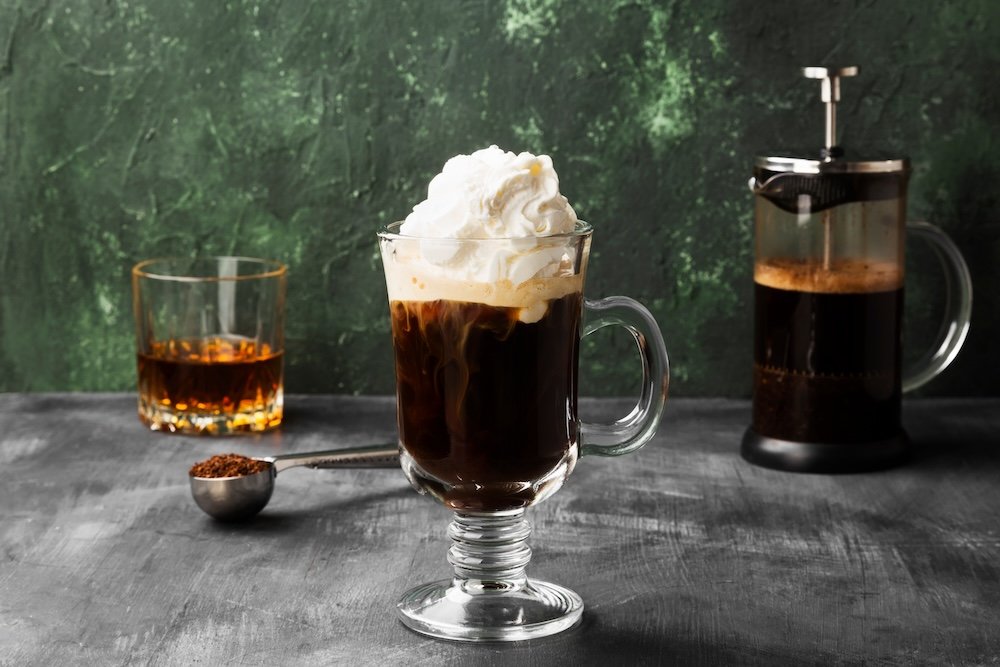
Stanton Delaplane, who wrote for the San Francisco Chronicle, had the drink at Shannon Airport. On November 10, 1952, Delaplane and the Buena Vista Café finally got the cream to float properly and spread the drink worldwide. The Foynes Flying Boat and Maritime Museum has a local account of the drink, which you can see on a short side trip from Shannon. Dublin has since become a major coffee city because Stephen Morrissey won the 2008 World Barista Championship and Colin Harmon opened 3fe the year after. The Irish still drink large quantities of tea. They have made room for it.
Colombia: A Priest, a Mule, and a Very Small Cup
Colombia’s reputation as a coffee-producing country dates back to a confession. In the town of Salazar de las Palmas, near the border with Venezuela, a priest named Francisco Romero reportedly imposed a rather unusual form of penance on his parishioners. Instead of reciting prayers, they were to plant coffee trees. Once the people in that area had confessed their sins, the hillsides picked up the idea, and Colombia has since become the world’s third-largest coffee producer and a leading producer of washed arabica. In fact, the country had no such person as its most well-known farmer. The bearded man who wore a poncho and sombrero and walked down the mountain with his mule Conchita was created by the National Federation of Coffee Growers in 1958 and has been played by several actors since. He is now the face of a chain of hundreds of cafés, which should put Conchita at ease.
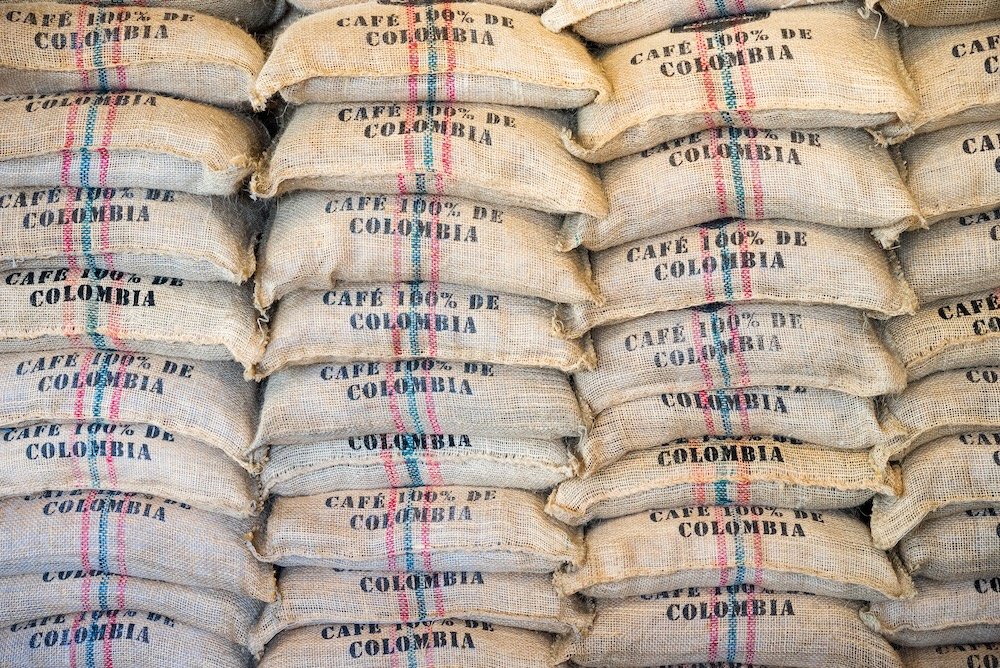
Everyday life centers on the tinto, a small cup of black coffee typically sweetened with sugar or panela, sold for a small sum by vendors with thermoses who stand at bus stops and on park benches. It is the usual way to start meetings, visits, and most conversations. To learn where the coffee beans come from, visit the Coffee Cultural Landscape, a UNESCO World Heritage Site since 2011 that includes the departments of Caldas, Quindío, and Risaralda.
Cuba: Sugar Foam and a Pot on the Stove
Cuban coffee requires only one step: as the stovetop moka pot starts to hiss, pour the first drops into a cup full of demerara sugar and beat them vigorously until they turn into a pale paste—that is the espumita. Then pour in the rest of the coffee, and the sugar foam rises to the top. This is what is known as café cubano; a colada is the same drink, but served in a shared manner using a stack of small cups for everyone present.

The exact history is harder to pin down. Coffee became a proper industry only after the Haitian Revolution in the 1790s, when French planters who had escaped from Saint-Domingue took with them their knowledge, as well as the enslaved people whose labor made the crop profitable, and settled in the mountainous areas of eastern Cuba. In 2000, UNESCO declared the ruins of 171 of these plantations a World Heritage Site. The most accessible site, La Isabelica, less than 20 miles from Santiago de Cuba, has been turned into a museum with displays of the drying floors, the mill, and the chains, offering a simple reminder of who harvested the crop. Each day, there are certain restrictions; ration coffee has long been mixed with ground chícharo peas. Families who can blend ration coffee with the coffee they buy in the shops often do so. Whatever is placed into the pot, the espumita still ends up on top.
Mexico: Clay Pots and a Spoon Against the Glass
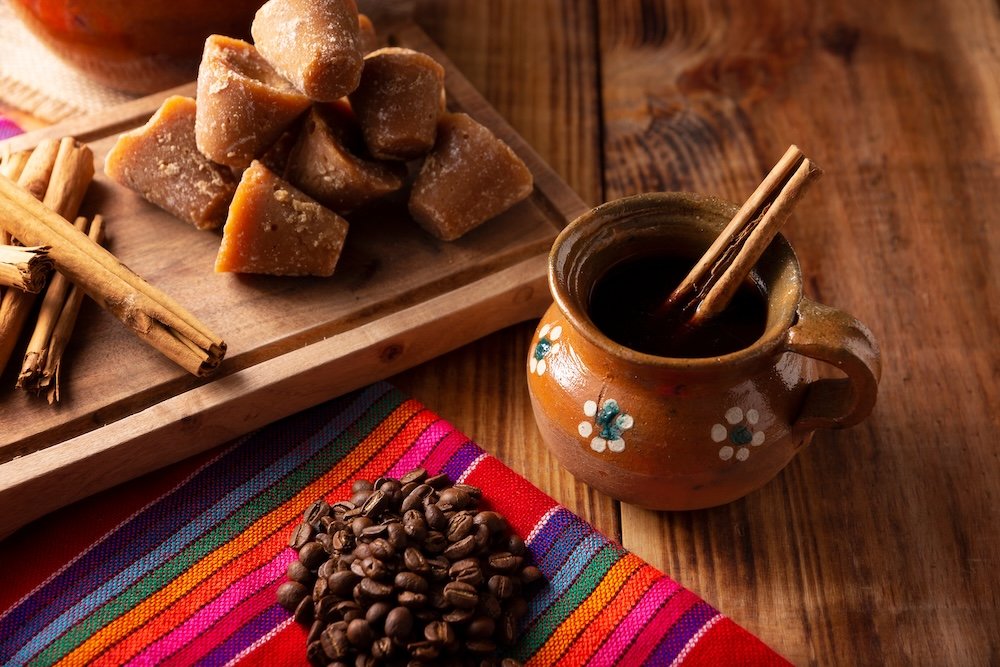
Mexico’s most beloved drink has only a weak connection to espresso machines; café de olla is prepared in a pottery pot with cinnamon and piloncillo, a dark, unrefined sugar derived from cane, and served in clay cups. It is traditionally believed that the soldaderas who moved with the armies in the Mexican Revolution added cinnamon and sweetened the bitter camp coffee to lift the soldiers’ spirits. However, this tradition rests more on tradition than on documented evidence.
We go back to Veracruz and La Parroquia, which claims to have been founded in 1808. It is said that Mexican President Porfirio Díaz had his breakfast there shortly before going into exile in 1911. The usual explanation for tapping spoons is that a streetcar passed by every morning at six o’clock. Its driver would ring his bell, and a waiter would run out with the coffee to prevent the vehicle from stopping. Once, the six o’clock hour arrived and passed without the bell ringing. It was said the driver had died. The customers and servants then stood up and tapped their spoons against their glasses in his memory. According to the account, the sound never completely stopped.
Every Cup Is a Local Cup
Line them up and the differences are the fun part: cheese in Lapland, egg in Hanoi, pepper in Dakar, a cup filled a third of the way on purpose in Riyadh, an espresso gone in three sips in Rome. The instinct beneath them is remarkably consistent. Nearly every ritual here asks someone to stay a little longer: a colleague at the break-room table, a guest in the majlis, a suitor swallowing his salt with a smile, a stranger in Naples finding a coffee already paid for. Kings have banned coffee, governments have rationed it, penance has assigned it, and Yemen has smuggled it out in a saint’s beard; through each trial, it came back a little stranger and more local than before. In Veracruz, the spoons are still ringing, for a streetcar driver nobody in the room ever met, calling for more milk and one more reason not to leave just yet.