


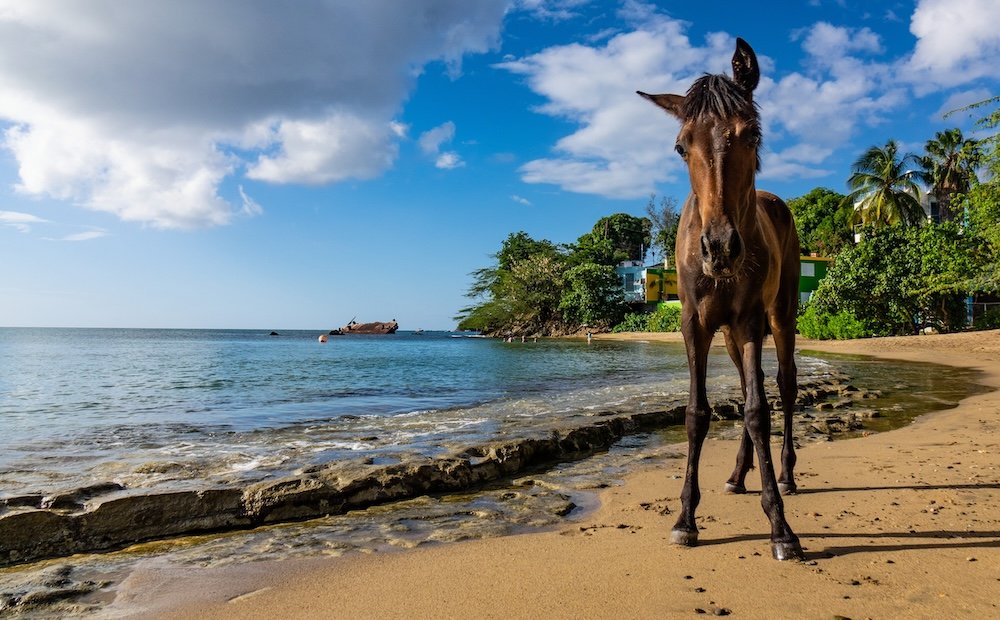
In Esperanza, the fishing village on Vieques’s south shore, you’ll see small groups gathered at roadside spots, dressed in long sleeves and pants even when it’s warm. Because the bay’s rules ban sunscreen, insect repellent, and lotion in the water, covering up is the only option. Nearby, a horse stands by the road, looking as if it has never worried about time. Flash photography isn’t allowed, and it’s hard to capture what comes next on camera, so visitors have to rely on their memories. Vieques often asks its guests to do just that.
Vieques sits about eight miles off Puerto Rico’s east coast, stretches 21 miles long, and had 8,249 residents in 2020. More than half the island is a federal wildlife refuge, and there are over 40 beaches. The roads are narrow, so horses and drivers traditionally work out right of way. Vieques isn’t a typical resort spot. It’s great for couples, stargazers, snorkelers, and anyone who likes renting a Jeep and exploring. Families can enjoy it too, as long as they don’t mind horses as part of the fun. It’s not ideal for those who want nightlife, a strict schedule, or a ferry that always runs on time.
The Attractions Everyone Comes For
In 2006, Guinness World Records named Mosquito Bay, a shallow lagoon just east of Esperanza, the world’s brightest bioluminescent bay. Its waters can hold up to 700,000 glowing organisms per gallon. Dinoflagellates, tiny plankton that flash blue-green for a split second when disturbed, create the glow, so every paddle stroke leaves a trail of light. The bay’s narrow entrance keeps the organisms inside, mangroves feed them, and the dark shoreline helps the effect. After Hurricane María in 2017, locals worried the glow was gone for good, but the bay recovered in a few months and is now said to be even brighter.
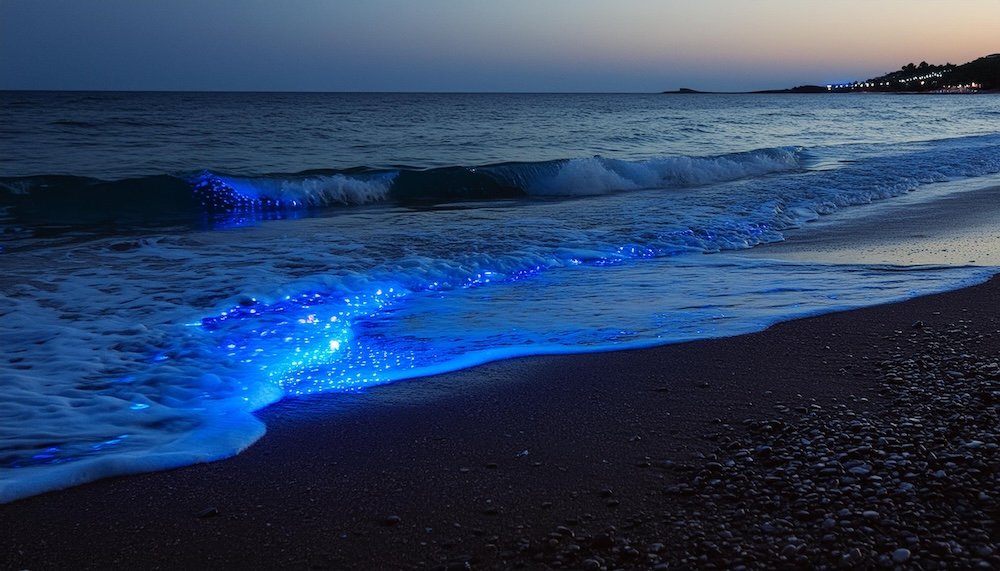
You can only visit Mosquito Bay with licensed tour operators, and the rules are simple: don’t put anything in the water, not even sunscreen, repellent, or lotion. Swimming and flash photography are not allowed. Tours cost about $50 for a regular kayak, $60 to $75 for a clear-bottom kayak, and from $85 for a 40-minute electric boat ride. Kayak trips last about an hour. The moon matters more than the weather—the glow is brightest around the new moon, and tours usually don’t run the night before, during, or after a full moon. Most tours start after sunset, and since the last ferry leaves at 6 p.m., you’ll need to stay overnight. Book your tour for your first night, so you have backup options if it’s canceled. Couples, families with older kids, and anyone looking for something truly memorable will enjoy this experience.
The Vieques National Wildlife Refuge covers about 17,771 acres, just over half the island, and is split into two parts: about 3,100 acres in the west and 14,671 acres in the east. It’s the largest wildlife refuge in the Caribbean, and admission is free.
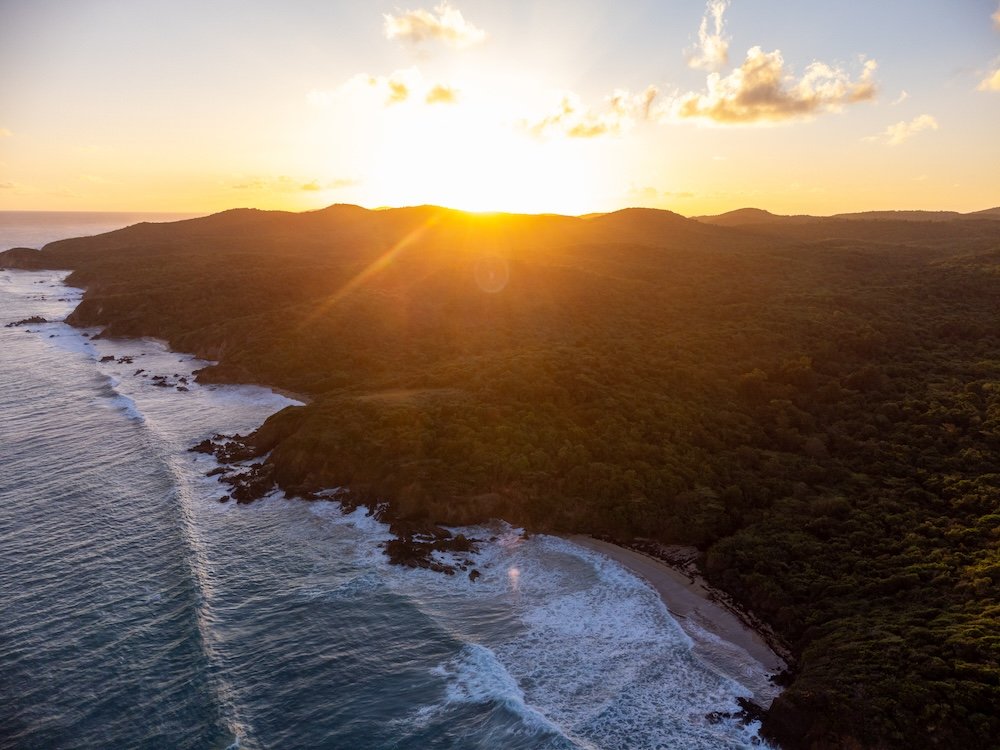
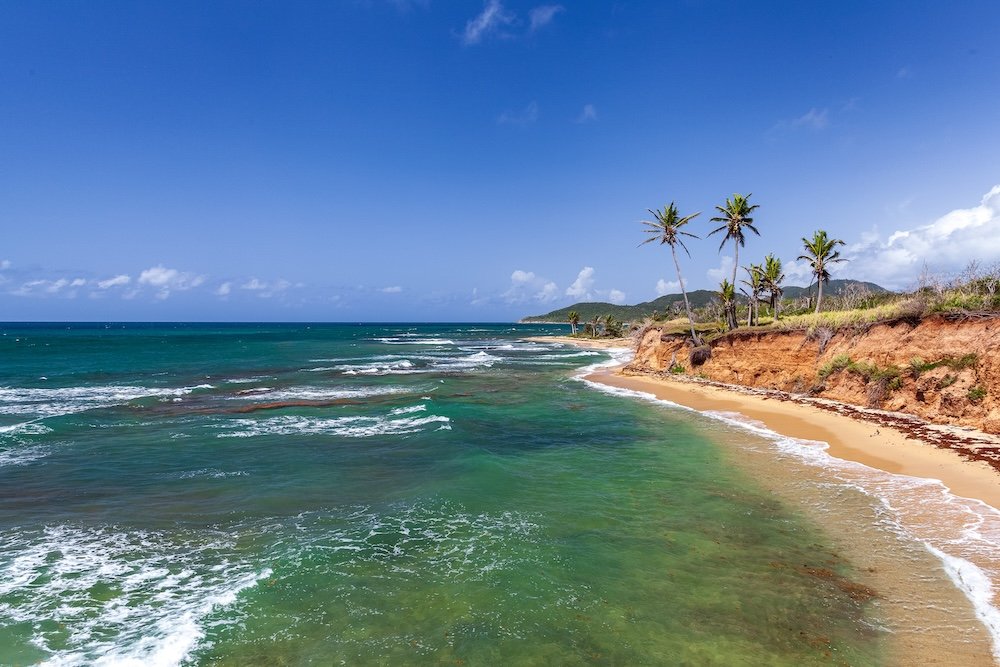
The refuge protects dry forests, mangroves, lagoons, reefs, and some of the island’s quietest beaches. Two beaches are especially popular: Playa Caracas (Red Beach) has turquoise water, hills behind the sand, and covered cabanas, but not much shade. Playa La Chiva (Blue Beach) is a wide, white-sand beach with numbered parking spots so you can pick your own spot for the day. The paved road ends before the beach, and a dirt road takes you the rest of the way. Trails wind through the mangroves to Caracas and past the Puerto Ferro lighthouse to Puerto Ferro Beach.
The posted rules are important: camping and open fires aren’t allowed, pets must be leashed, drones are banned, and you can’t drive off the marked roads. Because there is unexploded ordnance, a large part of the eastern refuge (the former live-impact area) is closed to the public. Always avoid closed areas, whether you’re on land or water.
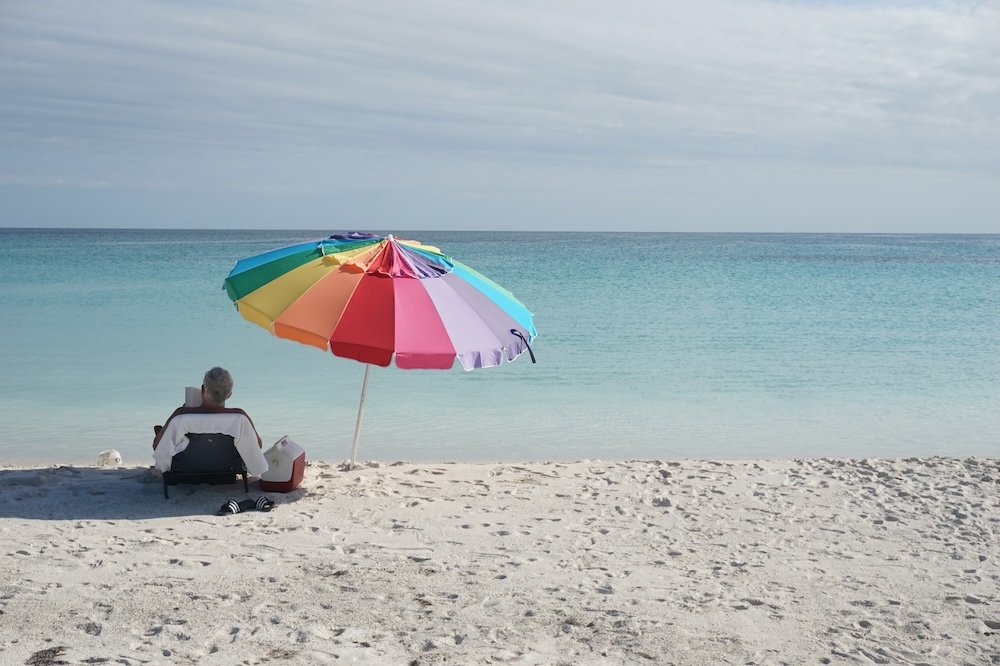
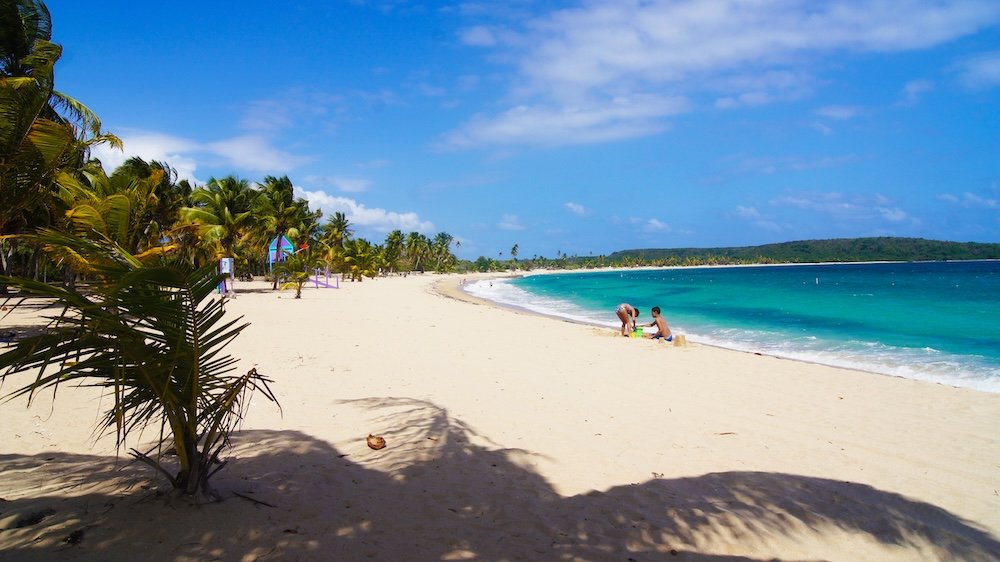
Sun Bay is a public beach about a mile long, just east of Esperanza. It has lifeguards, restrooms, showers, and a snack bar. Parking costs around $4, and you’ll often see horses wandering by in the afternoons. After entering Sun Bay, a 0.6-mile dirt road takes you to Media Luna, where the water is shallow, calm, and stays waist-deep far from shore—great for small children. If you keep going on a rougher road, you’ll reach Navio, a surf beach with a small cave at one end. Sometimes you’ll need a four-wheel drive to get there.
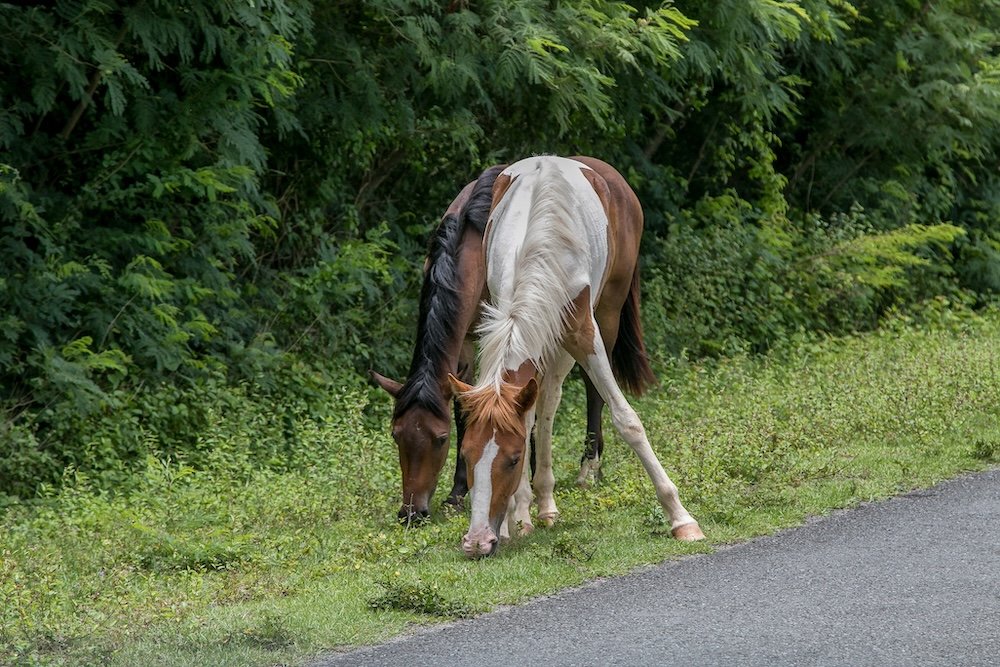
About 2,000 horses still roam the beaches and roadsides. These horses, descended from Spanish breeds and known for their smooth gait, are actually owned by locals and allowed to graze freely, so they aren’t as wild as the brochures suggest. Keep your distance and skip the carrots, most horses ignore them anyway.
Neighborhoods and Food
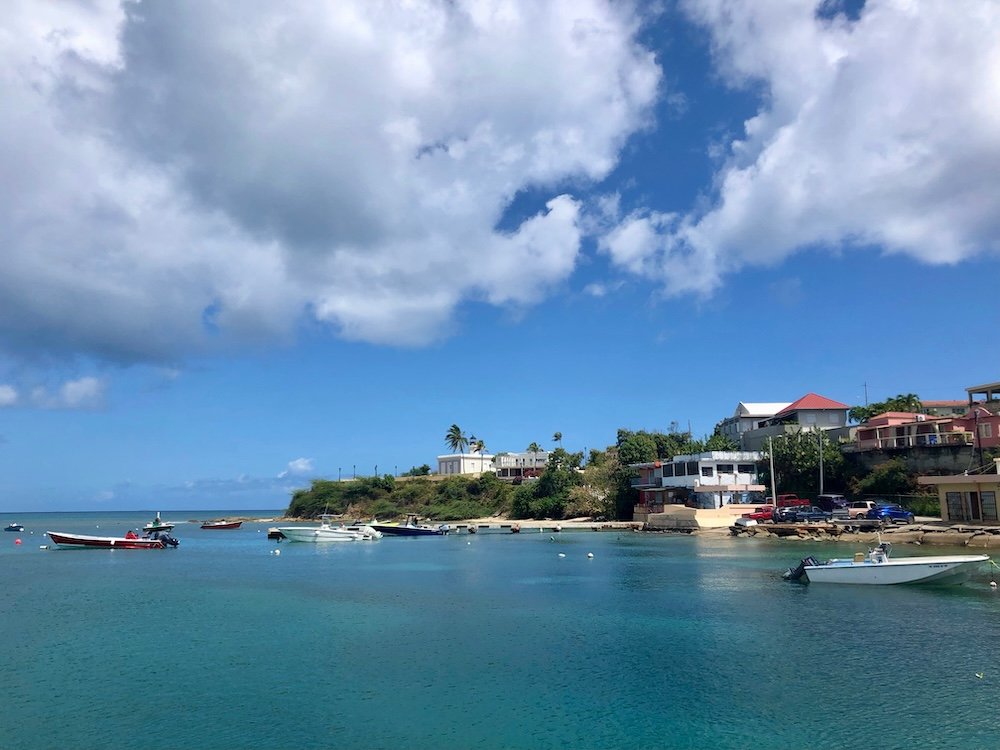
Vieques has two main centers. Isabel Segunda, on the north coast, is the administrative hub and where the ferries arrive. On the south shore, Esperanza is a fishing village with a boardwalk called the Malecón, a beach, several bars, and most of the island’s visitor-friendly restaurants.
Trade Winds in Esperanza is known for its lobster and fresh fish. Duffy’s on the waterfront serves craft beer, seafood buckets, and fish tacos. Biekes Bistro serves mofongo, fried plantain mashed in a traditional wooden mortar. In Isabel Segunda, Rincón del Sabor offers classic Puerto Rican food like rice and beans, pernil (slow-roasted pork), and tostones (twice-fried plantain slices). Buen Provecho is a deli and breakfast spot known for burritos and artisan breads, while El Resuelve is a food truck that specializes in empanadas. Many restaurants close one or two days a week, so check their hours before you go.
The Bombs, the Guard and the Camp
The refuge is a result of the Navy’s presence. Beginning in the 1940s, the Navy occupied about two-thirds of the island, using the flatter, drier eastern part for training and the western part for storing ammunition, and forced the local residents to live in the central area. Opposition had been building for decades but had not gained much support. Then, on April 19, 1999, David Sanes, a native of Vieques who was working as a civilian security guard at the range, was killed when a young Marine pilot confused his target and dropped two 500-pound bombs on an observation post more than a mile from the spot where the target should have been.
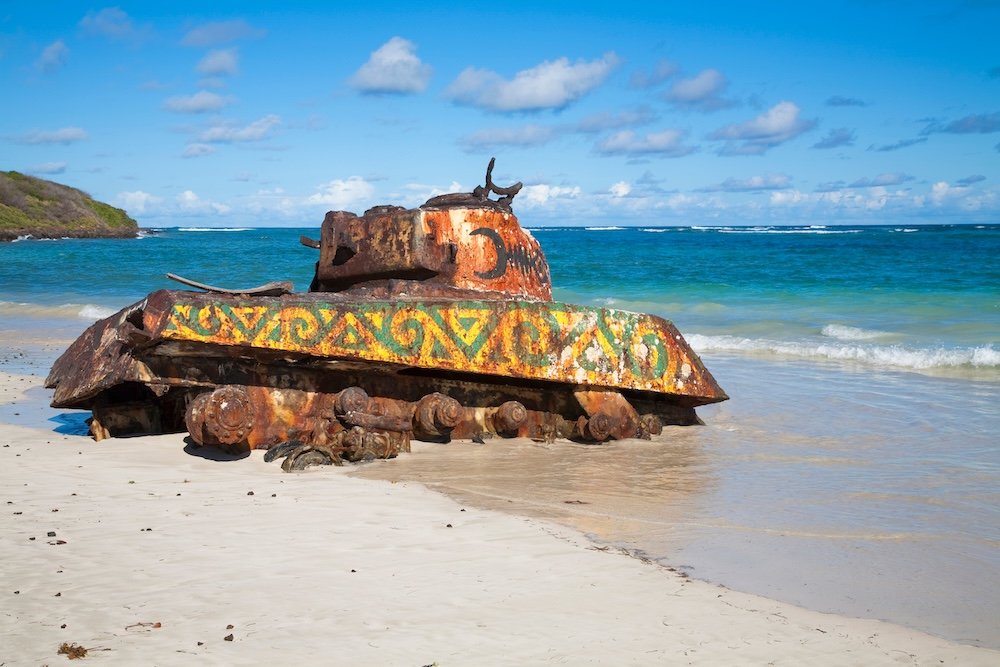
Rubén Berríos, leader of the Puerto Rican Independence Party, set up a protest camp in the area and stayed for 362 days. In 2001, President George W. Bush’s administration announced that the Navy would leave by May 2003, and on May 1 it did, handing the land over to the U.S. Fish and Wildlife Service.
Off the Postcard
Vieques has two small museums. Punta Mulas Light, on the north coast, was built in 1896 to guide ships past dangerous reefs, automated in 1949, and restored in 1992. Today, it’s a museum about Vieques’ maritime history and the Americas. In Isabel Segunda, Fortín Conde de Mirasol, a small fort built in 1845 and restored in 1991, houses the Vieques Museum of Art and History and the island’s historical archives. Museum hours can change, so call ahead.
Getting There and Around
You can reach Vieques by ferry or a short flight, and your choice will shape your travel experience.
By ferry: Ferries to Vieques leave from Ceiba on Puerto Rico’s east coast. It takes 75 to 90 minutes to drive there from San Juan, and private transfers usually cost $80 to $100. The ferry ride lasts about 45 minutes to an hour, ends at Isabel Segunda, and costs $2 per adult each way. Tickets are available on the Puerto Rico Ferry website and the City Experiences app, but only some seats sell online, so even if it looks sold out, tickets may still be available at the window. All sales are final, boarding closes 10 minutes before departure, and it’s best to arrive an hour early. Only residents can bring vehicles, so visitors need to rent cars on the island.
By air: Cape Air flies from San Juan’s main airport to Vieques in about 30 minutes. From Isla Grande, a smaller San Juan airport, Vieques Air Link and Air Flamenco offer 20-minute flights. Round-trip fares usually range from $130 to $160. Luggage limits are strict, so pack light.
To get around Vieques, rent a Jeep or car as early as you can. The roads are narrow, and some beaches are only accessible by unpaved roads. Public transport is limited—there’s no Uber, públicos (shared taxis) mostly run during the day and focus on the ferry, and there’s no bus to Esperanza after dark. The main road to Esperanza is paved and takes about 15 minutes from Isabel Segunda. Watch for horses on the road at all times. Reserve your car well ahead, especially during new-moon weekends when bay tours are popular.
Precautions Worth Taking
U.S. citizens coming from the mainland don’t need a passport, but international visitors must follow standard U.S. entry rules. For safety, pay attention to both land and water: avoid closed refuge areas, keep drones packed away, and follow the bay’s rules. Drive carefully at night because horses share the roads. Bring sun protection and repellent for land use, and remember that bad weather, especially in winter, can delay ferries.
When to Go
The dry season, from December to mid-April, is the most reliable and busiest time to visit. Hurricane season runs from June to November, and storms can cancel tours, ferries, or both. After a major storm, the bay may stay dark for months. The months just before and after peak season are usually good and less expensive. Whenever you go, check the moon phase before booking a bay tour—choose the new moon or nights close to it.