


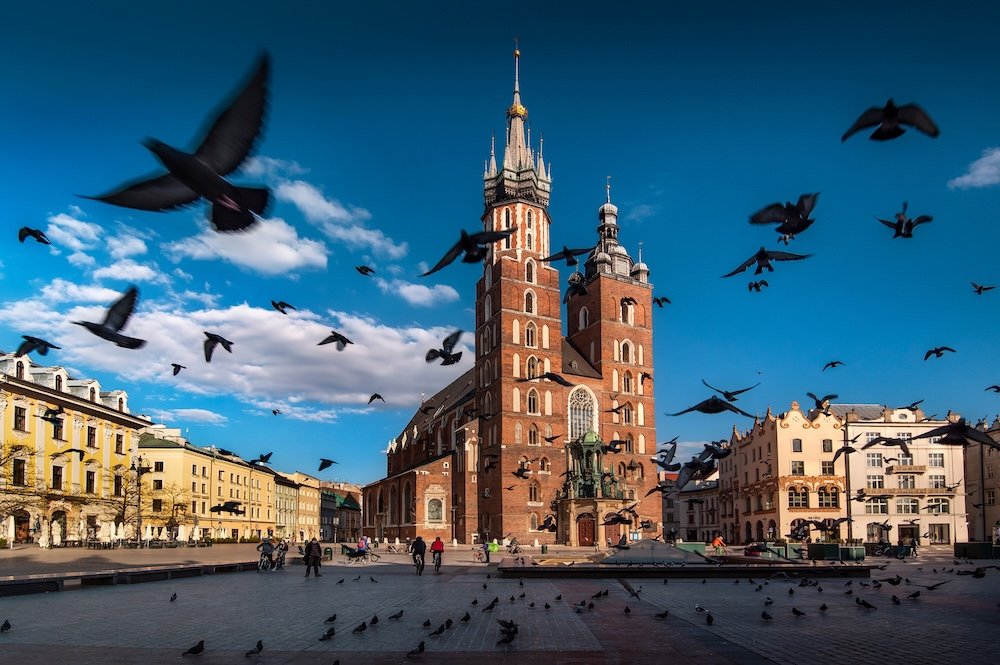
Right before the hour in the Main Market Square, the pigeons appear to know something that the tourists don’t. People turn their heads toward the taller of the two brick towers of St. Mary’s Basilica, and about 266 feet up, a small window opens to reveal a brass trumpet bell. The tune is the hejnał, (roughly pronounced “hey-now”), consisting of five notes that rise, linger, and then stop, cut off mid-phrase as though someone had tapped the musician on the shoulder. The trumpeter, one of a small group of city firefighters who have to climb 272 steps to reach that room, plays it again in each of the other three directions toward the points of the compass.
A child down below reasonably asks if he has forgotten the rest. He hasn’t. Kraków’s most famous song is famous for never being finished. According to legend, the broken note honors a watchman who sounded the alarm in 1241 as Mongol raiders approached and was struck in the throat by an arrow before he could finish. When the last round is done, the trumpeter waves to the crowd below and steps back inside.
Why Kraków
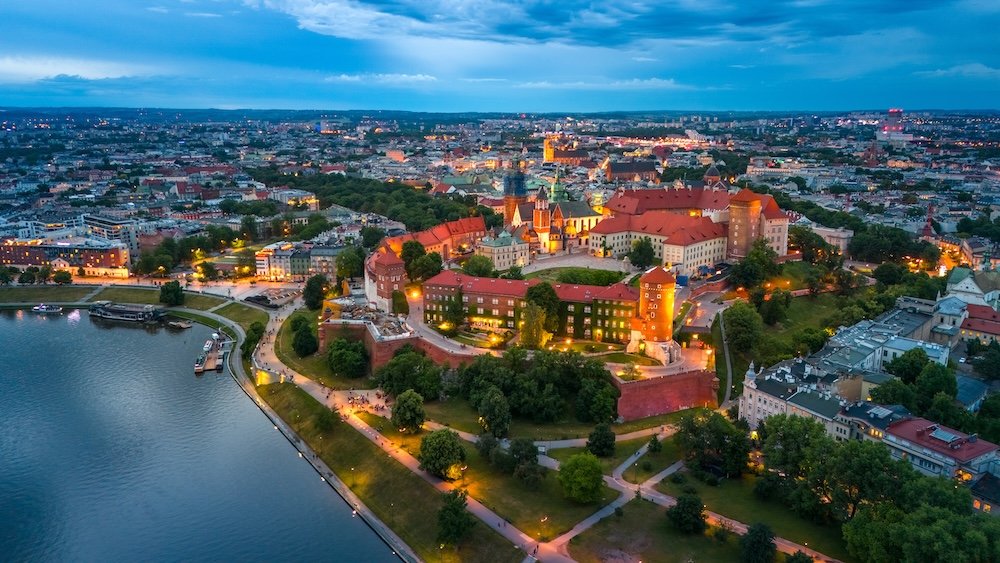
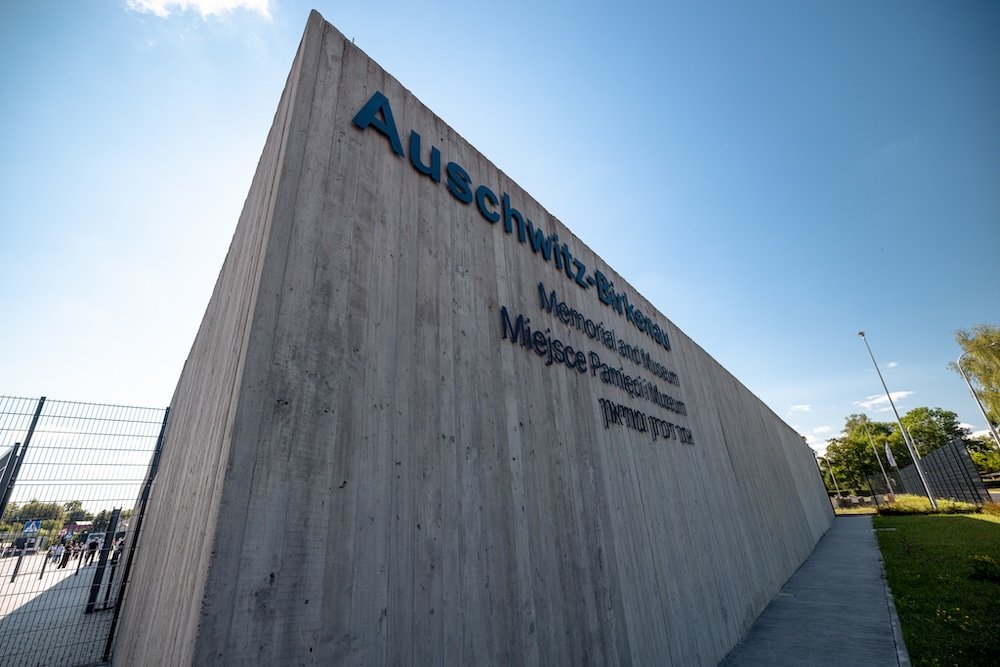
During the Middle Ages and the Renaissance, Polish kings lived, were crowned, and were buried in Kraków, and the old town survived World War II with its historic center mostly unchanged. A medieval market square, a Gothic basilica, and a Renaissance palace are all within a 15-minute walk of each other, and UNESCO’s World Heritage List included the historic center as one of its first entries in 1978. The city also has a more difficult past, including the former Jewish quarter, Oskar Schindler’s factory, and the Auschwitz-Birkenau memorial, which is located 90 minutes to the west.
It is inexpensive, easy to get around, and offers cheap, satisfying food, making it suitable for first-time visitors to Central Europe, history buffs, families, and those who are careful with their spending. Fair warning: Old Town bars attract a lot of bachelor parties, which residents openly dislike, so people who need quiet should stay a few streets away from the square.
The attractions everyone comes for
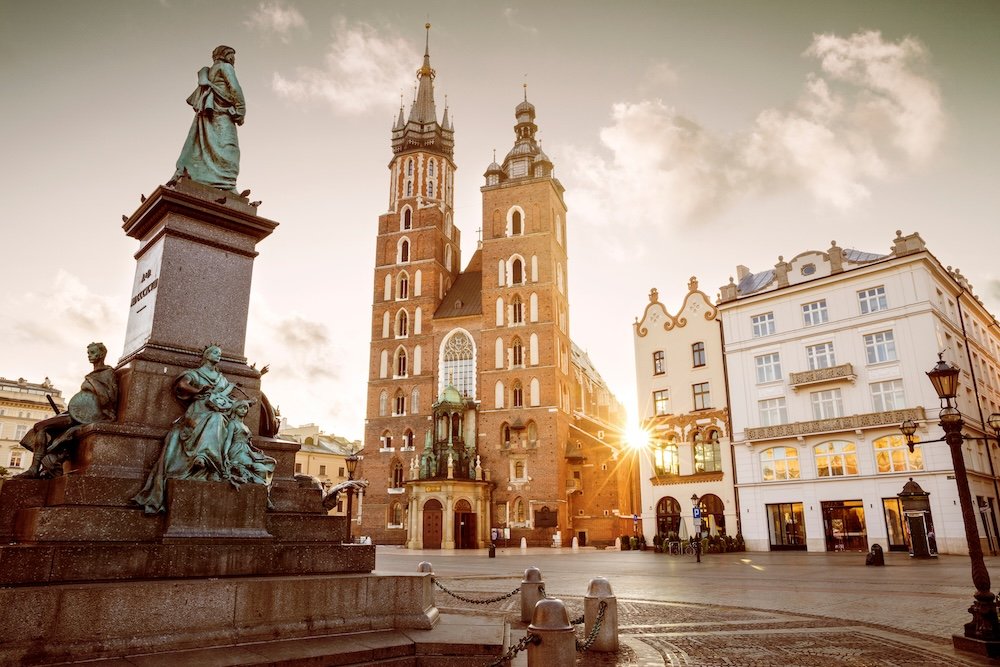
The Main Market Square and the Rynek Underground. Known locally as Rynek Główny, it is one of Europe’s largest medieval town squares, laid out in the 13th century and covering about 9.4 acres; it remains the city’s living room. At the center of the square is the Cloth Hall, or Sukiennice, a long Renaissance trading hall rebuilt in 1555, where merchants once sold silk and spices, while stalls now display amber. Walking around the square is free.
Below it lies the Rynek Underground, a museum built from excavations between 2005 and 2010 that takes visitors over medieval stalls, roadways, and graves about 13 feet below the cobblestones. Admission costs 45 złoty (approximately $12), and the box office offers a limited number of free tickets on Tuesdays.
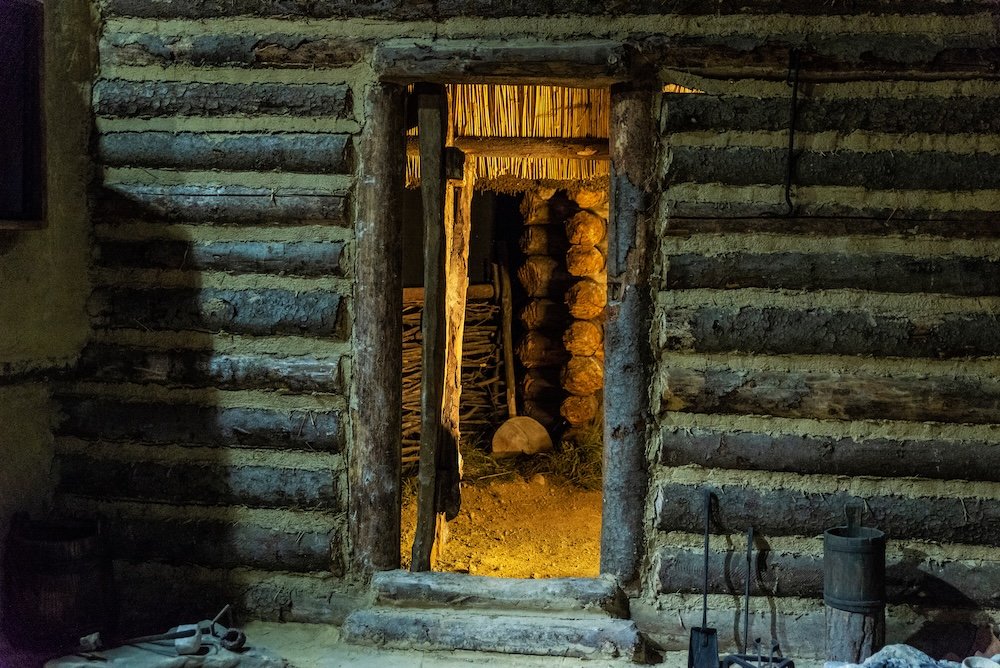
St. Mary’s Basilica, a Brick Gothic church at the square’s northeast corner, contains the world’s largest Gothic altarpiece. Carved from limewood between 1477 and 1489, this altarpiece was created by Veit Stoss, the German master sculptor known in Poland as Wit Stwosz. The open altar measures about 43 feet high and 36 feet wide and depicts over 200 figures; Stoss is said to have based the figures’ faces on local townspeople without flattering any of them. The altar wings open ceremonially at 11.50 a.m. from Monday through Saturday, so arrive at 11.30 a.m. when the visitor area opens. Admission is 20 złoty (about $5). It will appeal to art lovers, photographers, and anyone who enjoys a bit of ceremony.
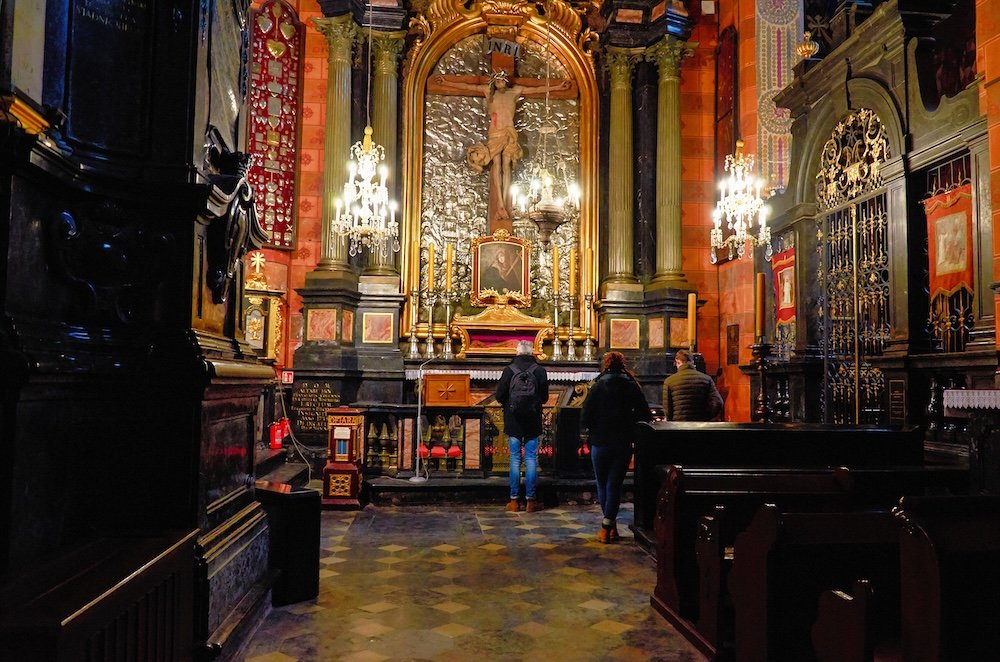
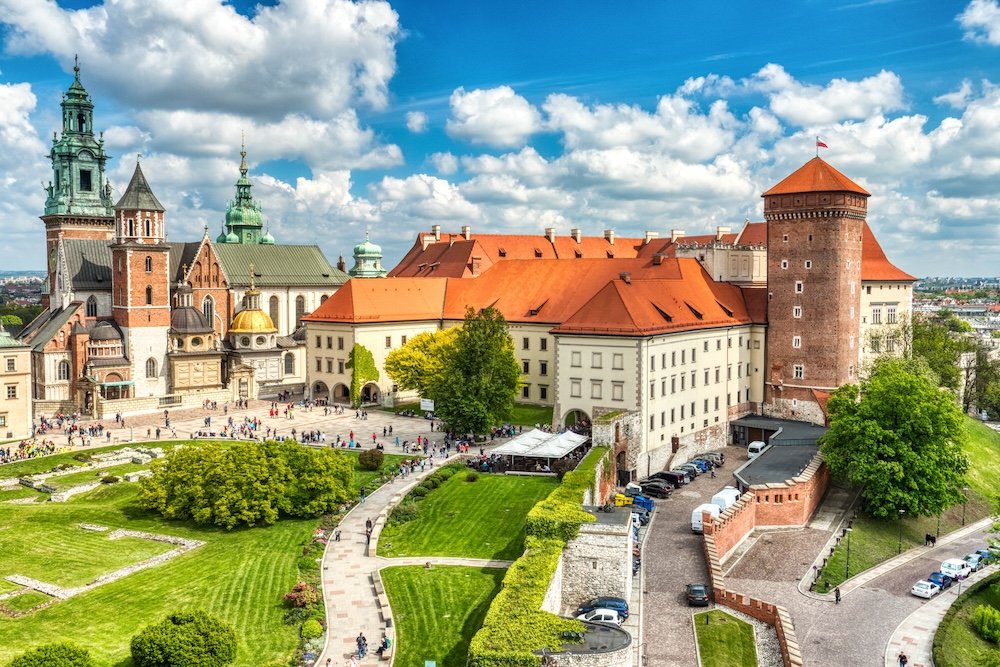
The Wawel Royal Castle and Cathedral. Situated on a limestone hill above the Vistula River, the castle housed the Polish kings for nearly three centuries. The castle’s arcaded Renaissance courtyard is open for visitors to walk through. The State Rooms, decorated with Flemish tapestries, cost about 50 złoty ($13) to enter. The church manages the cathedral and charges a 25 złoty ticket (about $6), which includes access to the royal tombs and the climb to the Sigismund Bell, cast in 1520 and rung only on important religious and national occasions.
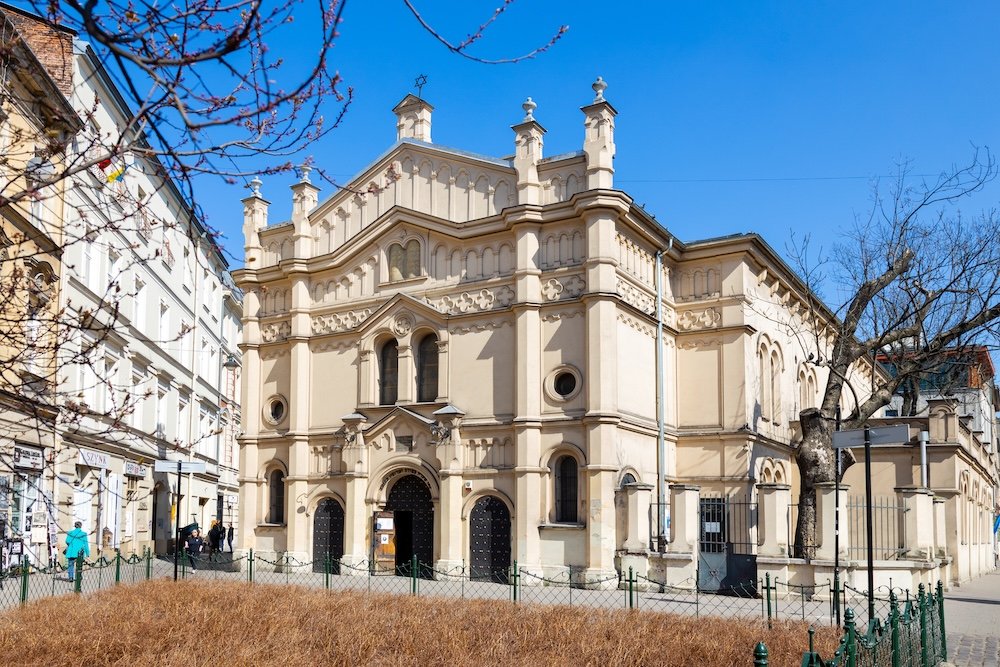
Casimir III founded Kazimierz in 1335, and from the late 1400s it became the center of Kraków’s Jewish community until the Holocaust. Szeroka Street, though it is actually a long square, is bordered on one side by the Old Synagogue, Poland’s oldest (now a museum), and on the other by the still-standing Remuh Synagogue, built in 1553, along with its old cemetery. Since 1988, the Jewish Culture Festival has brought klezmer and cantorial music to these streets each summer. The walking tour is free.
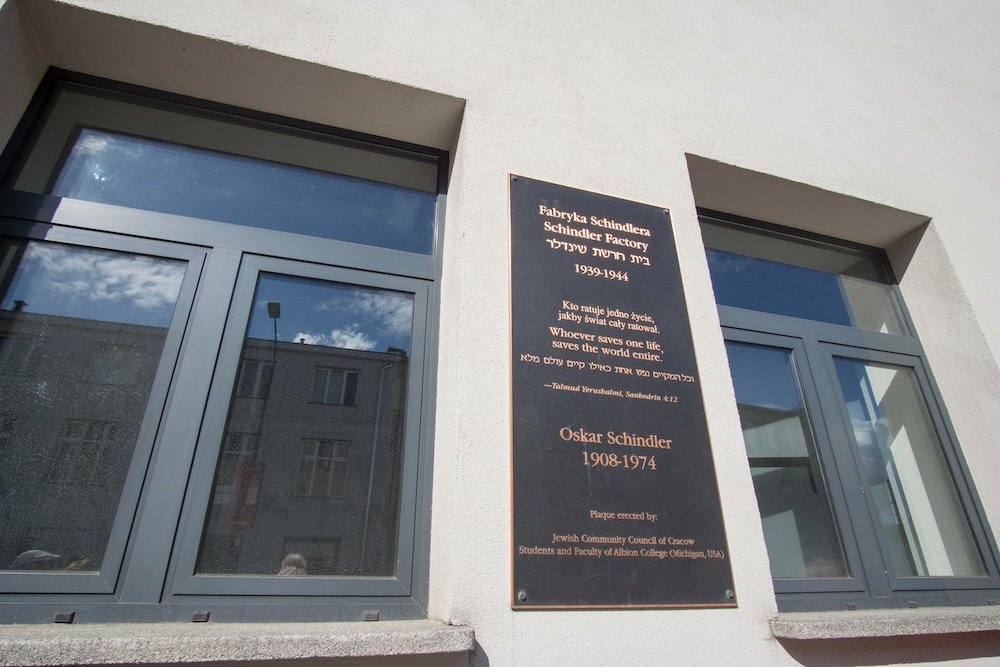
The enamel factory that Oskar Schindler once operated is now a museum dedicated to Kraków during the period of occupation from 1939 to 1945; Oskar Schindler, a German industrialist and member of the Nazi Party, protected more than 1,000 Jewish workers. Admission costs 60 złoty (approximately $15); photo ID is required, and the ticket includes seven days of access to the Eagle Pharmacy. Tadeusz Pankiewicz, who owned the pharmacy, was the only non-Jewish Pole permitted to remain within the wartime ghetto, and he provided medicine, hair dye to aid in escapes, and sedatives to keep the hidden children calm.
The neighborhoods and where to eat
The Old Town is surrounded by the Planty, a shady park where the medieval walls once stood, forming a pleasant two-and-a-half-mile loop. Kazimierz is livelier; Podgórze, on the other side of the river, is quieter.
Start the day by buying an obwarzanek krakowski from a cart, a braided bread ring boiled, then baked for a few złoty. For lunch, Bar Mleczny Pod Temidą on Grodzka Street is a milk bar and one of the subsidized cafeterias that fed workers during communism: serving pierogi, soup, and kompot, a fruit drink, for well under $10. In the evening, the Okrąglak, a round brick building in the middle of Plac Nowy, originally a poultry market, serves zapiekanki through a ring of windows: half a baguette baked with mushrooms and cheese, then finished with ketchup. Endzior has the longest queue, and it tells its own story.
Kraków’s golden period lasted a long time. Casimir the Great established the academy in 1364, which later became Jagiellonian University; Nicolaus Copernicus, the astronomer who placed the sun at the center of the solar system, studied there. Sigismund III Vasa, a Swedish-born prince who became king of Poland in 1587, was passionate about alchemy. In 1595, a fire destroyed part of Wawel Castle, and Kraków’s explanation attributes the incident to the king’s efforts to turn base metal into gold. Historians, however, prefer a geographical explanation: Warsaw was closer to the commonwealth’s center, which extended into Lithuania, and nearer to Sweden, whose crown Sigismund also desired. Either way, he moved his court north in 1596. Kraków continued to crown kings in its cathedral until 1734, to make the point.
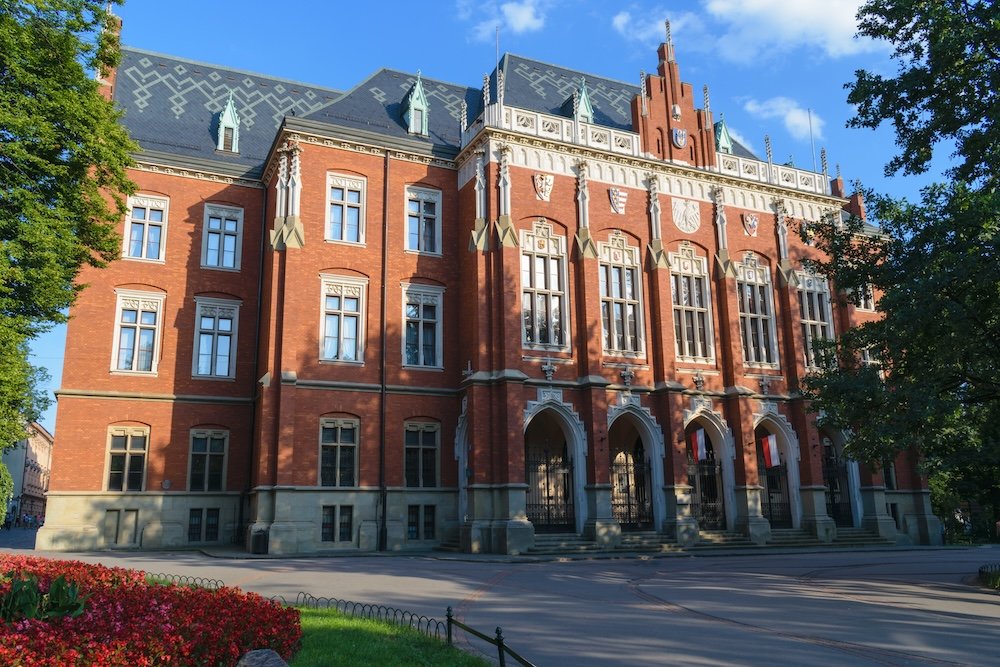
A more sinister irony lies in the city’s survival: Hitler’s governor-general for occupied Poland, Hans Frank, made Wawel his residence, and although the occupiers destroyed the community that had lived there for six centuries, they left the buildings intact.
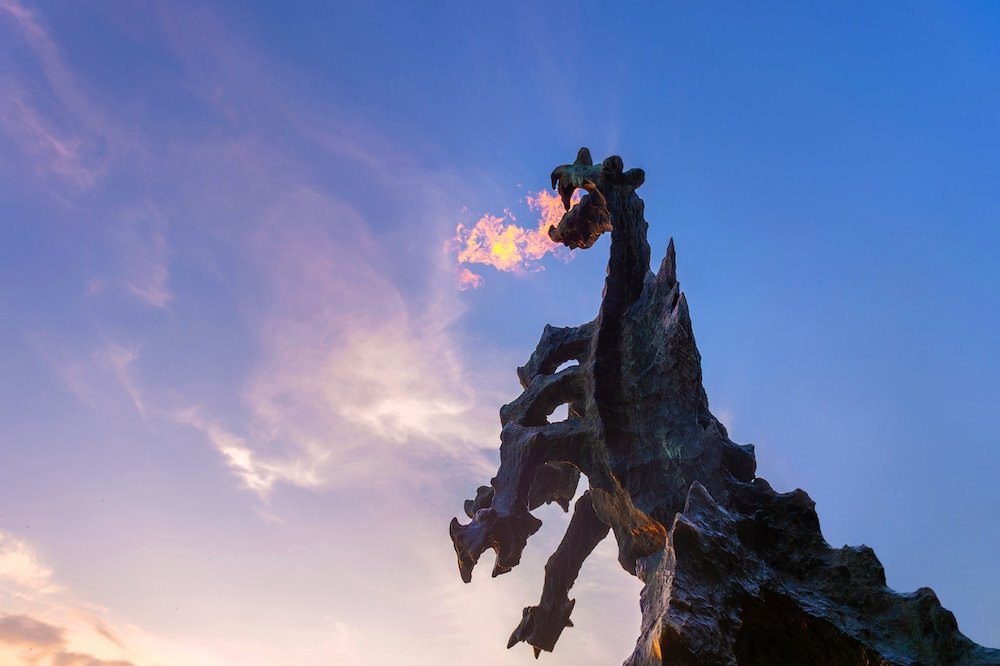
All Polish schoolchildren know that a dragon once lived in a cave under Wawel Hill, feeding on livestock and, in some versions of the story, on young women, while the knights could not kill it. Skuba, a young shoemaker, filled a ram’s skin with sulfur and placed it outside the cave; the dragon swallowed the skin, drank from the Vistula until it could drink no more, and exploded. Since 1972, a bronze dragon sculpted by the Kraków artist Bronisław Chromy has stood near the cave entrance, measuring about 20 feet tall, and it emits real gas flames every few minutes, like a geyser, for the children who wait for it. At the cathedral entrance, a large set of bones hangs on a chain, said to be the dragon’s.
Precautions worth taking
Since Poland is part of the Schengen Area, Americans can stay up to 90 days in any 180 days without a visa, provided their passport is valid for at least three months past their departure date. The EU’s Entry/Exit System currently takes fingerprints and a photograph at the border. Although the long-anticipated ETIAS, an online travel authorization, still lacks a confirmed start date, it is advisable to check before traveling in 2027. Drinking alcohol in the streets, squares, and parks is illegal, with fines starting at around 100 złoty (about $26). The U.S. Embassy cautions about bars and strip clubs, many of which you can access through friendly strangers near the square, as drinks may be spiked and credit cards can be charged thousands of dollars; therefore, ask for a price list before ordering. Although the city banned burning coal and wood in 2019, smog still occurs occasionally in winter, so visitors with asthma should check the air quality readings.
When to go
The best times are late spring and early autumn, when average temperatures reach the upper 60s and café tables remain outside. In July and August, average temperatures are in the mid-70s; these months bring the most rain and the busiest crowds, which arrive after the Jewish Culture Festival in late June and early July. By October, temperatures drop to the upper 50s, and the Planty turns gold. In winter, temperatures stay around the mid-30s; the Christmas market in the Main Square makes December more pleasant, and January and February are quiet, cheap, and at times hazy.
In the Main Market Square, the hour arrives once more. The window opens, the trumpet catches the light, and the five notes rise, then stop. Another group looks up, waiting for an ending which has not yet come.