At the tasting table at the end of a coffee tour above Boquete, the guide lifts a spoon to his mouth and slurps loudly, like a straw at the bottom of a milkshake or a drain clearing its throat. This is the correct way to do it, cuppers say; only by spraying the coffee across the tongue can you detect the citrus and jasmine in a good Panamanian bean. Outside, a fine mist the locals call bajareque drifts off the ridges without ever quite becoming rain, and a rainbow settles over the coffee rows as if it had been booked for the occasion. The valley’s most celebrated beans grow on trees first planted for their disease resistance. Nobody had thought to ask what they tasted like.
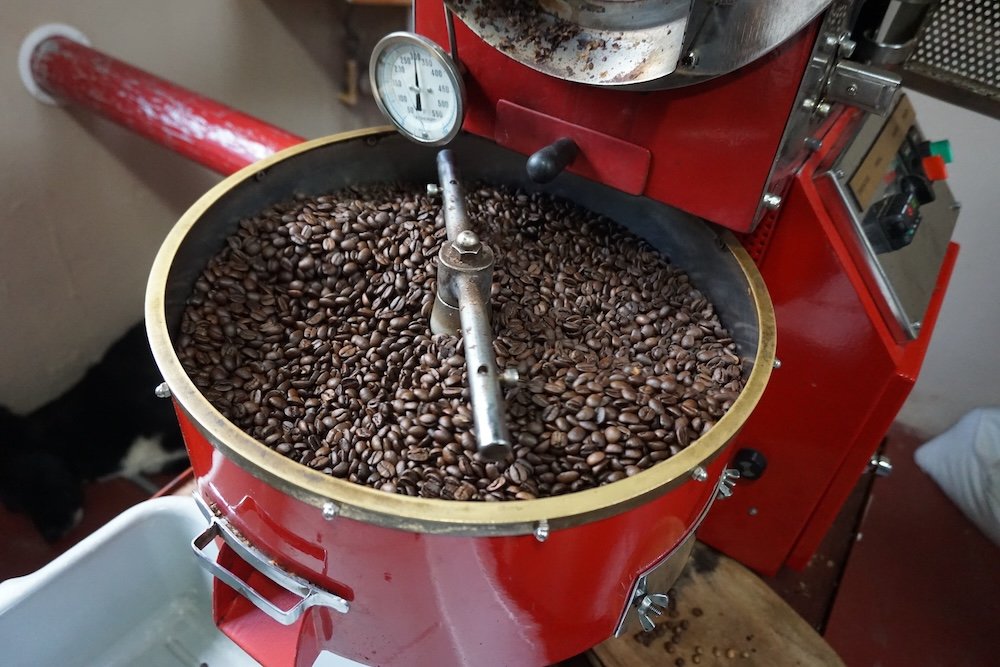
Coffee beans roasting in Boquete Panama
WHY BOQUETE
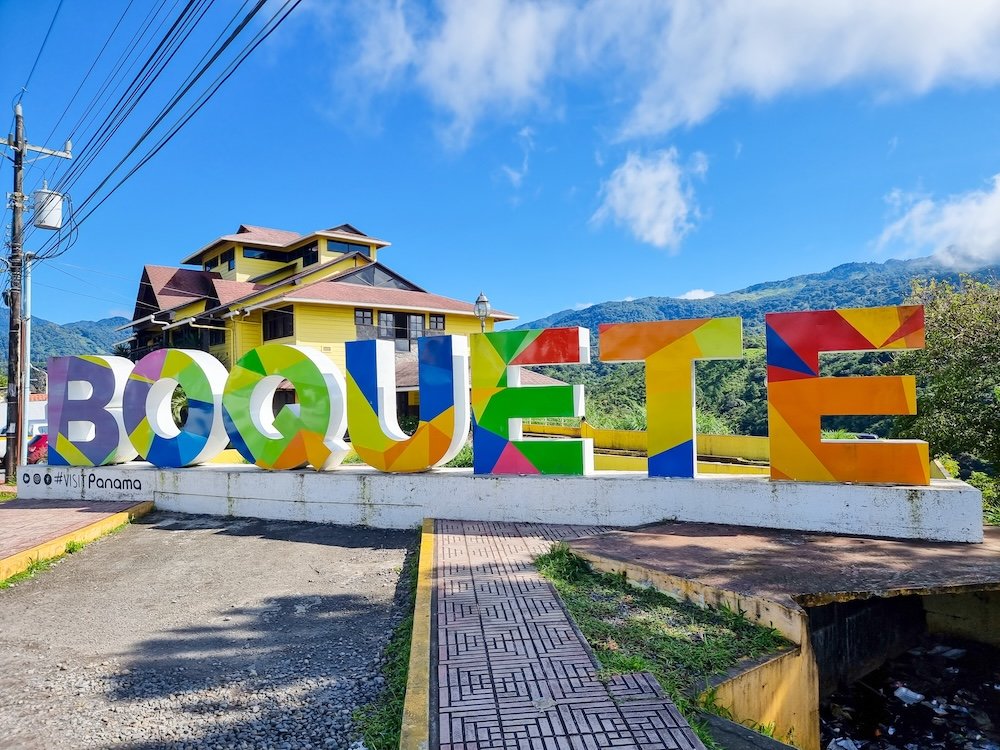
Boquete sits in a green valley on the eastern side of Volcán Barú in Chiriquí province, western Panama, north of the provincial capital, David, which is only an hour’s flight from Panama City. For generations, Panamanians have traveled from the hot lowlands to enjoy the more favorable climate.
The town suits hikers, birders, coffee lovers, and couples who prefer a cardigan to a beach towel. It makes an easy introduction to Panama beyond the canal. The honest caveat is that after retirement magazines discovered it, gated communities spread across the hillsides, prices rose, and longtime residents now worry about forest loss on the volcano’s slopes.
THE ATTRACTIONS EVERYONE COMES FOR
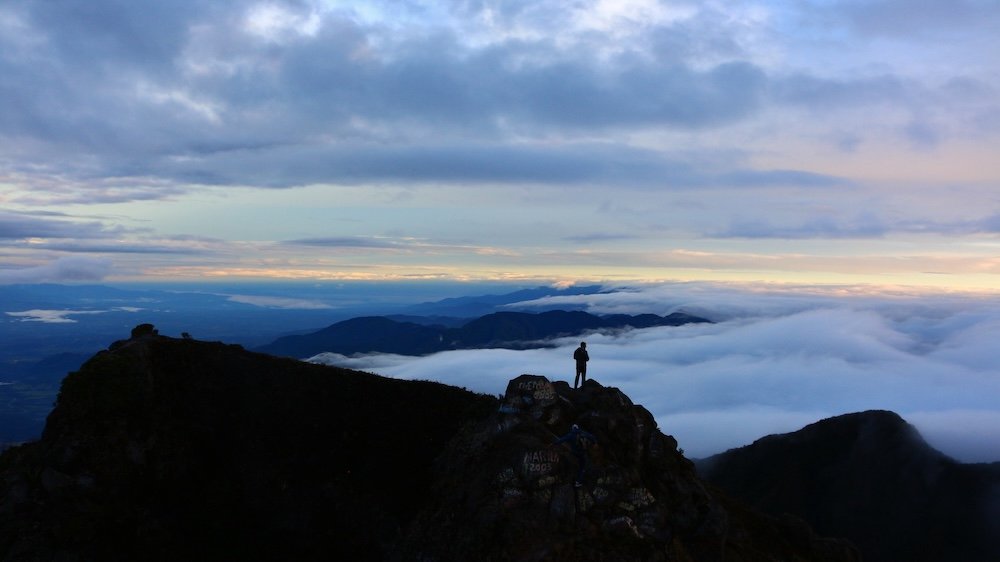
Volcán Barú. Panama’s highest peak rises to 11,398 feet, and on a clear morning its summit shows both the Pacific Ocean and the Caribbean Sea at once. The volcano is considered active but has not erupted since the 16th century. Most hikers start at the national park entrance outside town, often around midnight, and climb a roughly eight-and-a-half-mile road, taking six to eight hours to reach the summit cross by sunrise. Telecommunications towers share the top, and nights there can dip toward freezing. Park entry is about $5 to $10 in cash; guided hikes and 4×4 tours run roughly $30 to $150.
Sunrise with a view at Volcán Barú
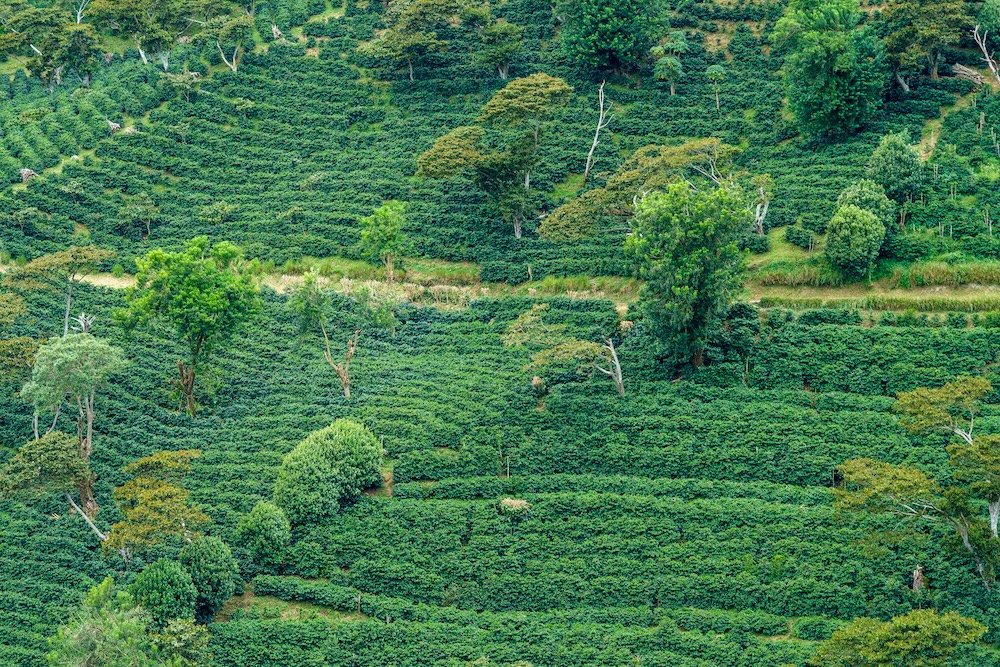
Coffee farm tours. Several farms around Boquete open their gates to visitors. Finca Lérida, about 10 minutes above town, is the historic choice, a farm begun by a Norwegian canal engineer whose original processing plant still runs. The tour lasts about 1 hour and 45 minutes, walks the rows, follows a red coffee cherry to a roasted bean, and ends with a tasting; it costs about $45 in early 2026. Prices in Panama are quoted in US dollars, the everyday currency.
Verdant terraces of coffee plants in Boquete, Panama
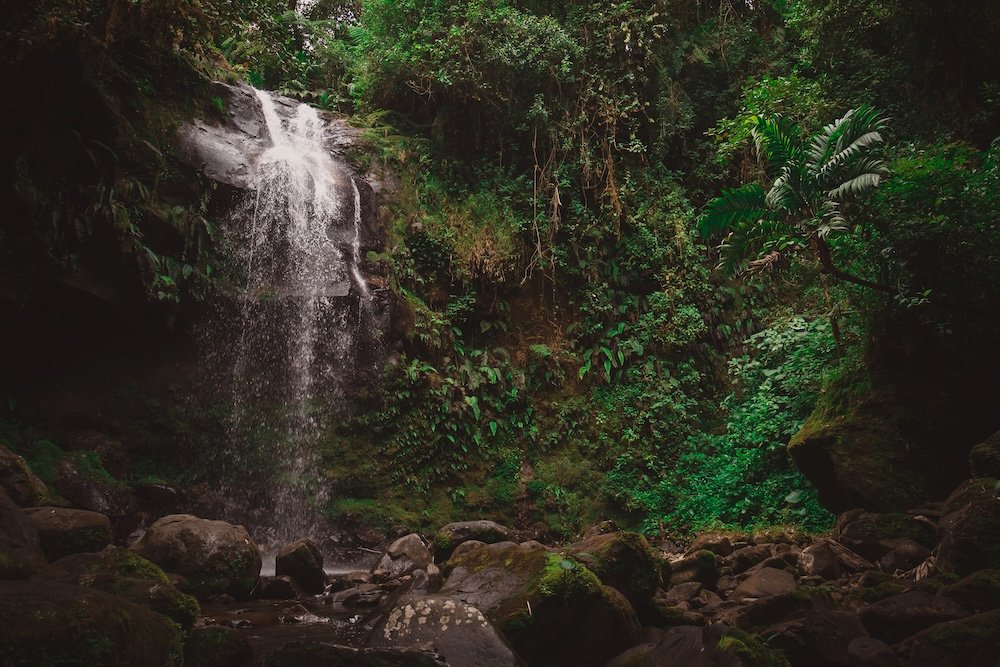
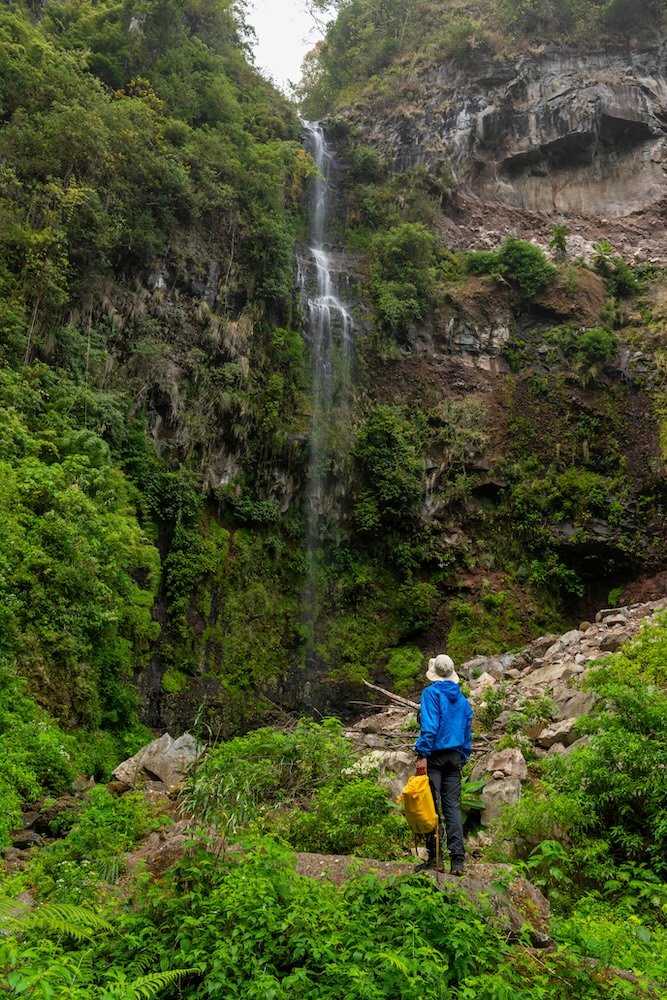
The Hidden Waterfalls. In the farm valley of Bajo Mono, about a 20-minute drive north of town, a two-mile trail runs through the cloud forest and leads to three waterfalls, locally known as Las Tres Cascadas. The trail can be steep and muddy, and at two of the waterfalls, pools let you take a refreshing swim. Entry costs around $10 in cash, and the gate opens at 8 a.m.
Waterfall in Boquete part of Panama called the hidden waterfalls.
The Pipeline Trail. Also in Bajo Mono, this flat, family-friendly path follows an old water pipe which runs from the river to a waterfall, crossing small bridges through dense forest. A large tree stands at the halfway point and is thought to be about 1,000 years old. Howler monkeys are common and, as a reward for those who wait, you can see resplendent quetzals—birds with jewel-green plumage, with males having tail feathers longer than their bodies.
Pipeline Trail Waterfall, a popular trail in Boquete, Chiriqui, Panama
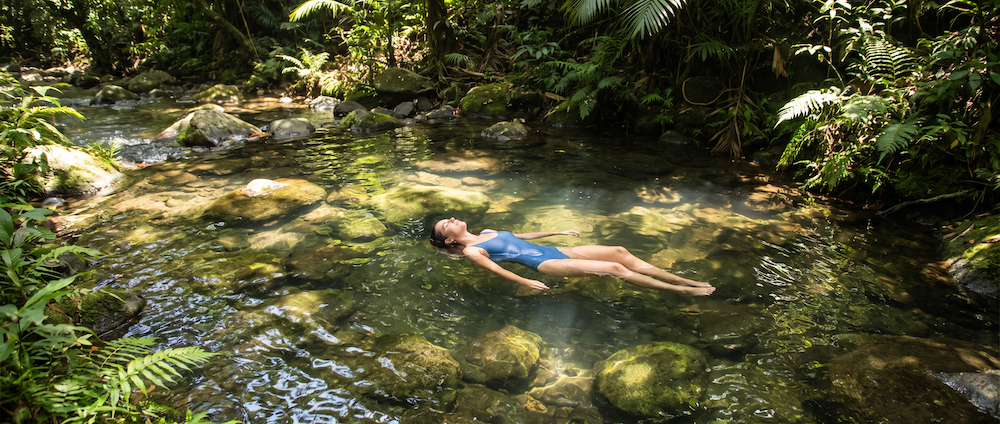
Caldera Hot Springs. About an hour east of town, near the edge of Caldera, you can reach it from the car park by following a rough track to small hot-water pools naturally fed by the cold Caldera River. People take turns using the two pools, following a routine that sits somewhere between a therapeutic practice and a form of self-organized weather. Entry costs around $3.
Caldera Hot Springs
NEIGHBORHOODS AND WHERE TO EAT
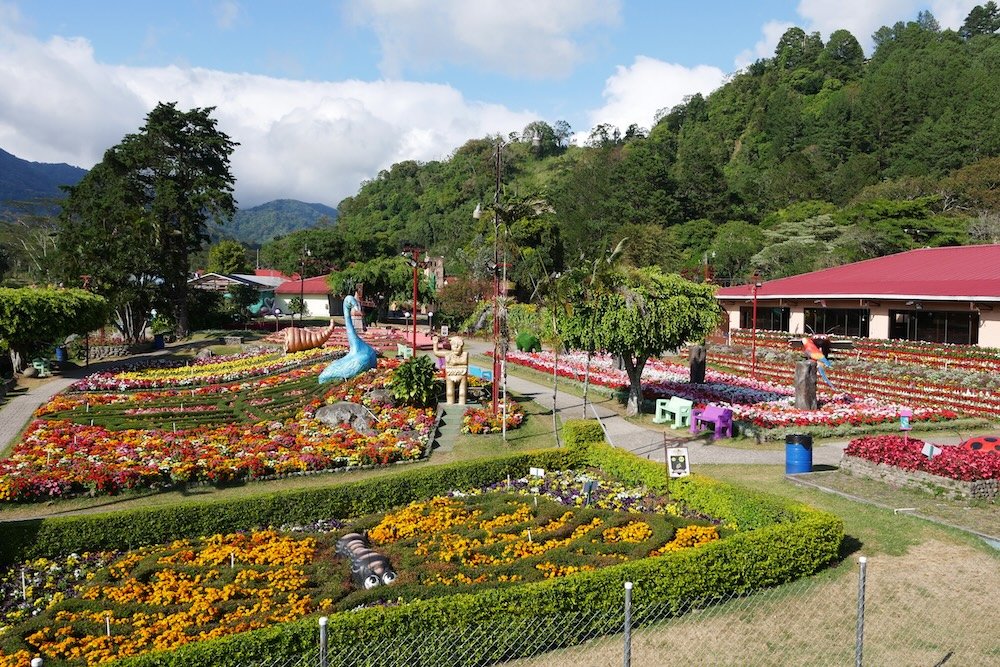
The area’s center, Bajo Boquete, revolves around a plaza bordered by flowers and a fountain. In contrast, the Caldera River and the flower festival fairgrounds sit at the edge of this area. Alto Boquete, on the road up from David, is newer and covers a larger area. Farmers grow coffee in the valleys of Bajo Mono, Palmira, and Jaramillo. Although many streets have names, there are no signs, so people generally give directions by landmarks.
Bajo Boquet
The bakery Sugar and Spice, a short distance from the plaza, supplies local restaurants and draws many people there for large sandwiches and passion fruit pie. RetroGusto, an Italian farm-to-table restaurant with a garden terrace, is suitable for a long dinner. Big Daddy’s Grill, on Main Street, Avenida Central, is well known for its fish tacos, margaritas, and a fire pit on the back patio where locals gather in the evening. Local coffee can be found everywhere.
PRECAUTIONS WORTH TAKING
US citizens can visit Panama without a visa for up to 180 days with a passport valid at least three months beyond entry, proof of onward travel, and evidence of about $500 in funds; a US passport card is not accepted. Panamanian law requires visitors to carry identification at all times, and police checkpoints are routine on highways, so keep the passport handy, or at least a copy of its photo page and entry stamp, to avoid a fine. On Barú, weather changes quickly, and summit temperatures can approach freezing; register at the ranger station, carry layers and water, and hire a guide on your first climb. Trails, including the popular Sendero Los Quetzales, close periodically after heavy rain. Dengue occurs in Panama, with alerts concentrated around Panama City and Colón, so pack repellent for lowland days.
WHEN TO GO
From December to April, during the dry season, the sky is clearer. This is the best time to see both oceans from Barú and when hotels are busiest. The Feria de las Flores y del Café (Flower and Coffee Fair) is held in mid-January. It fills the riverside fairgrounds with themed gardens housing tens of thousands of plants and draws more than 180,000 visitors over about 12 days. Book rooms early. The green season runs from May to November. Afternoons often bring rain, trails become muddy, and some areas close temporarily. Mornings are often clear, the valley looks lusher, and prices are lower. October is generally the wettest month. Temperatures do not vary much throughout the year, with daily highs in the low to mid-70s and night temperatures in the upper 50s.