


The prayer cloths get you first. Long before you’re close enough to Devils Tower to feel small under it, the ponderosa pines ringing its base are hung with small bundles of cloth and tobacco pouches, faded pastel, blue, and red, tied by Lakota, Cheyenne, Kiowa, and Crow visitors who came to pray, not to photograph. A ranger at the visitor center will tell you, if you ask, that most climbers see the bundles and lower their voices without being told to. Most, not all. Every June, a handful still rope up and go anyway, past the cloth, past the sign, past eighty-five percent of their fellow climbers who have simply chosen a different month out of respect for ceremonies most of them will never see and don’t need to.
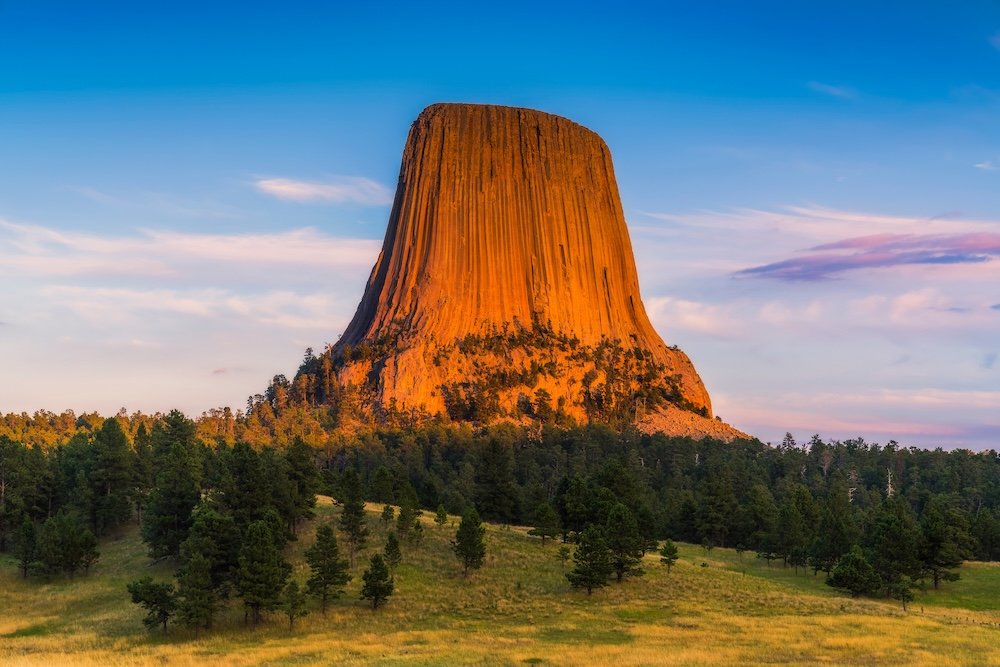
That eighty-five percent is the interesting number, because nobody enforces it. The National Park Service asks climbers to sit out June voluntarily, in recognition of the tower’s significance to the tribes who call it Mato Tipila, Bear Lodge, and the request has held since 1996 on nothing but goodwill and a little peer pressure from the guiding companies who quietly stopped booking trips that month. It’s a small, almost embarrassingly simple arrangement, and it works precisely because nobody had to make it complicated.
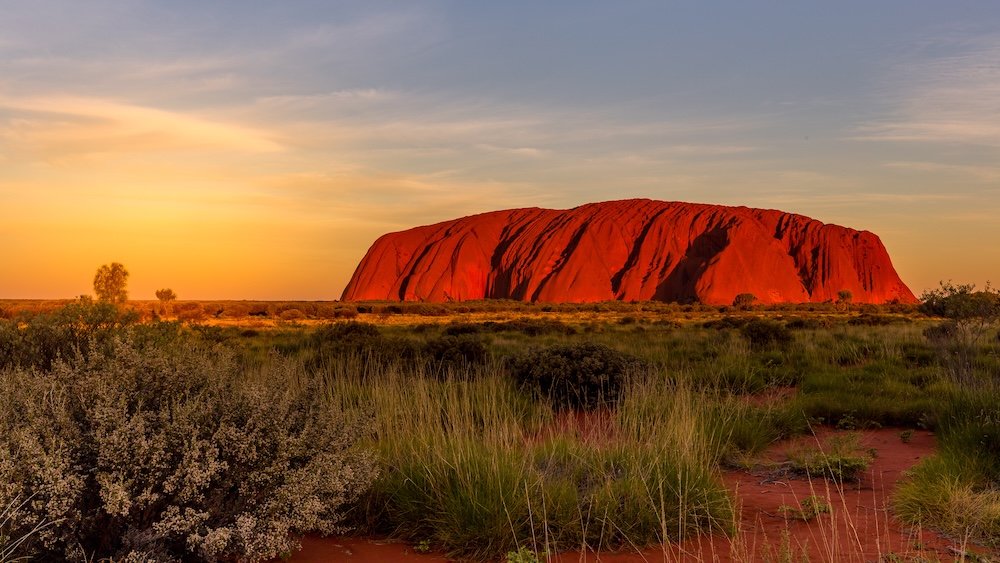
Compare that to Uluru, where goodwill eventually needed the force of law behind it. The Anangu asked visitors not to climb the rock for over three decades before Australia finally banned it outright in October 2019, closing the question for good. There’s no petitioning your way onto the summit now, no off-season exception. What’s left is the ten-and-a-half-kilometer base walk, threading past sections where signs ask you to lower the camera entirely, because some parts of Uluru were never meant to be looked at by everyone. Go with an Anangu-run outfit if you can. They’ll tell you what the rock actually is under Tjukurpa, their law, and it is considerably more than the postcard.
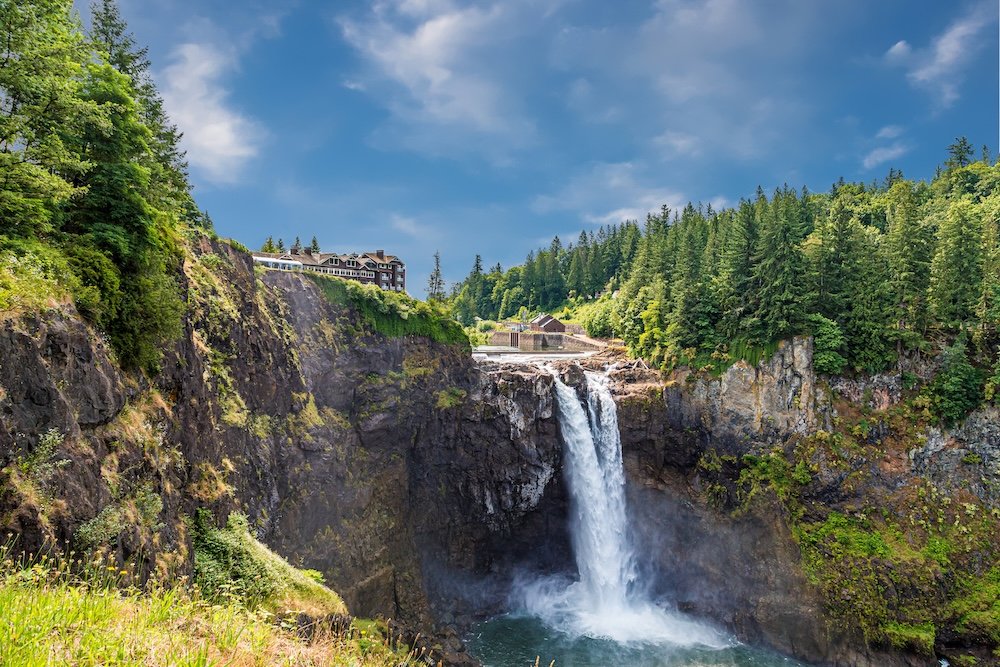
Snoqualmie Falls asks for something quieter still, mostly because there’s no ban to enforce and no summit to close. The Snoqualmie Tribe, for whom the falls are the site of creation itself, doesn’t turn visitors away. It just watches a quarter of the beauty get worn thin by feet that never leave the marked trail and accurately describes the place as being loved to death. There’s no gate here. Just an ask: stay on the path, take your trash with you, and spend five minutes learning whose creation story you’re standing inside before you take the photo everyone takes.
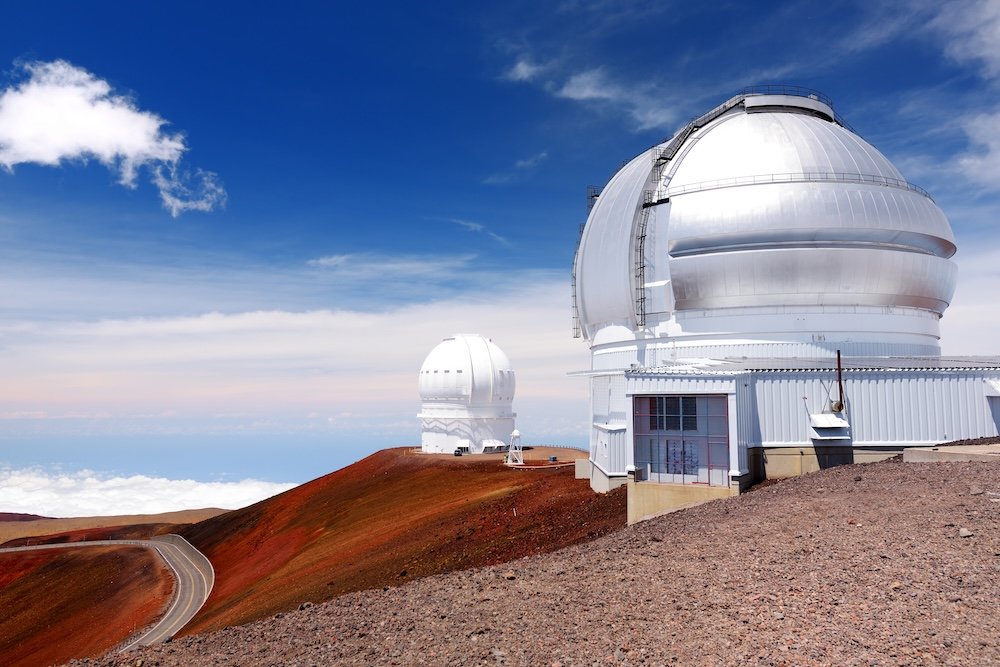
Mauna Kea complicates the picture further, because the sacred site and the working scientific facility occupy the same summit, and neither party asked for that arrangement. To Native Hawaiians, the mountain is the piko, the place where earth meets sky, the firstborn son of the sky father and earth mother. To astronomers, it’s one of the clearest, driest, darkest spots on the planet, which is exactly why telescopes keep getting proposed for its summit and exactly why Native Hawaiian protesters keep showing up to stop them. A visitor caught in the middle of that doesn’t get a tidy rule to follow, only a request to stay on the road, leave the shrines alone, and understand that the protest you might stumble across isn’t a photo opportunity.
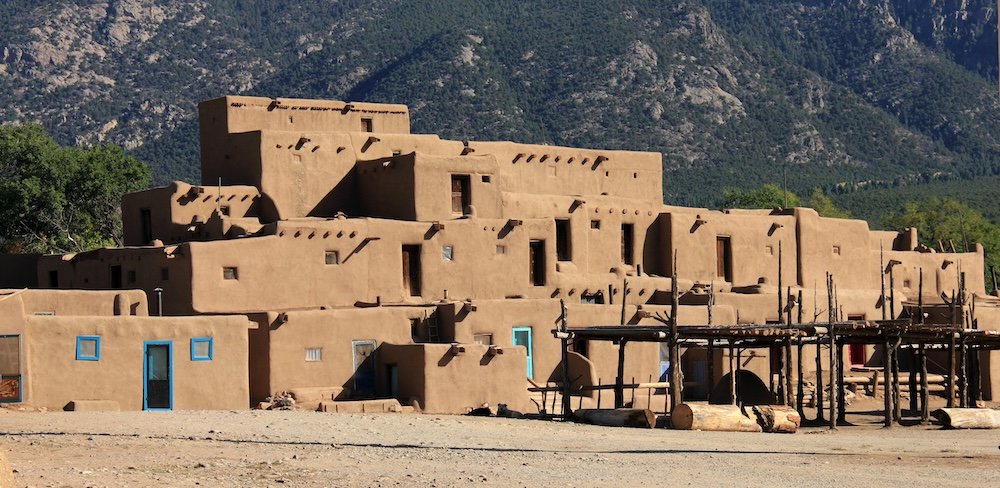
Taos Pueblo, by contrast, has had a thousand years to work out its own terms, and it shows. Photography costs a separate fee, paid in cash at the gate. Certain rooms, ladders, and doorways are simply not yours to look through, guide or no guide. The Pueblo closes for weeks every late winter for what it calls Quiet Time, and again for ceremonies the calendar doesn’t announce in advance, and none of it bends for a tour bus running late. It is, oddly, the easiest place on this list to get right, because the people who live there have already written the rules down. You just have to follow them.
Mount Rushmore breaks the pattern entirely, because every other site on this list offers some version of an answer: don’t climb, stay on the trail, come back next month, ask before you photograph. Rushmore offers none of that, because the accommodation would have needed to happen before 1927, not after. The mountain is T?u?kášila Šákpe, the Six Grandfathers, in the Black Hills, which the United States promised the Lakota “for absolute and undisturbed use” in an 1868 treaty it broke within a decade once gold turned up in the ground. In 1980, the Supreme Court agreed, in language blunt enough to surprise anyone who’s read a Supreme Court opinion, that the seizure was “a rank case of dishonorable dealings,” and ordered compensation that has since grown past a billion dollars, sitting untouched in a federal account, because the Lakota have refused it. Not because they don’t need the money. Because taking it would mean agreeing the land was ever for sale.
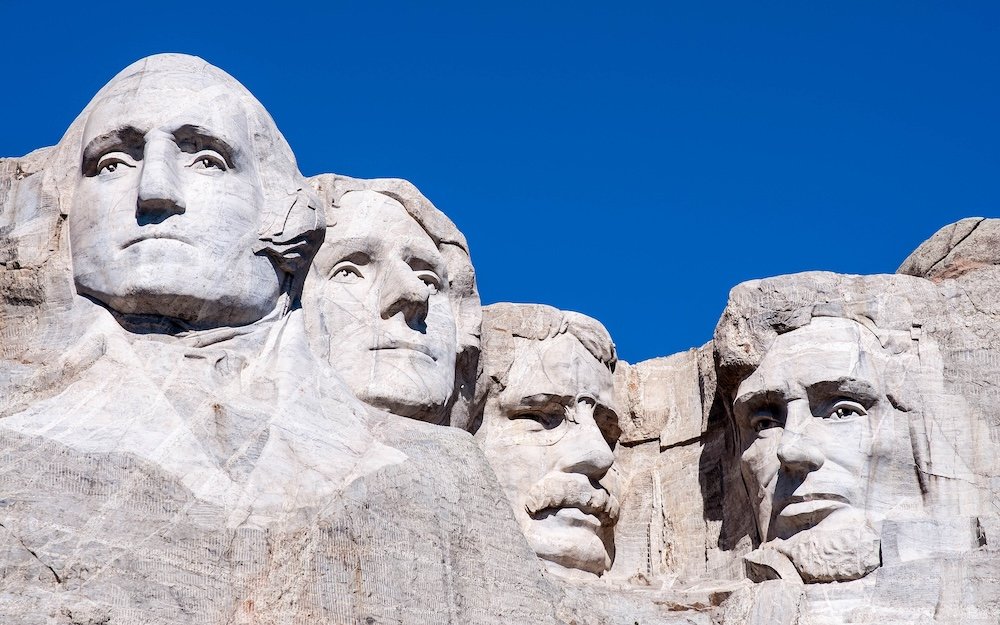
There is no walking loop at Rushmore that avoids the carving. No June you can skip. No photography restriction that fixes it, because the sculpture is the violation, permanently, in granite, four faces deep. What’s left for a visitor isn’t a checklist so much as a choice about how you tell yourself the story.
Most of the destinations on this list eventually arrived at some workable truce between the people they belong to and the people who visit them anyway: a climbing ban, a closed month, a fee at the gate, a request to keep your voice down. Rushmore is the reminder that not every sacred place gets a truce.
How to show respect for indigenous peoples on lands sacred to them
Respect at these places starts before you arrive, with finding out whose land it actually is and what that history cost them. Once you’re there, let the specifics of the place set your behavior rather than your own itinerary: put the camera down where you’re asked to, stay off what isn’t yours to walk on, and don’t let a closed gate feel like a personal inconvenience. Spend a little money with the community itself, on a guide, a meal, a craft, rather than routing it entirely to outside operators. And if a site offers no posted rule at all, the respectful assumption is that its meaning doesn’t depend on your understanding of it; you’re a visitor to someone else’s relationship with the land.